
E-commerce Lifeline: Overcoming Delivery & Logistics Complexities
In today’s digital age, the success of an e-commerce business no longer depends solely on high-quality products or a beautiful website. The true key to a successful business lies deep within its delivery and logistics framework. Meticulous planning and flawless execution at every single stage—from sourcing raw materials to placing the product into the hands of the final consumer—can ultimately decide the fate of your business.
Unfortunately, many emerging businesses and e-commerce startups fail simply due to a lack of proper e-commerce logistics planning. Issues such as delayed product delivery, excessive transportation costs, and high product return rates (reverse logistics) represent some of the most daunting challenges in today’s commercial market. Let’s dive deep into these complex matters and uncover actionable solutions for your brand at Pupar Mall.
Why E-Commerce Logistics Can Make or Break Your Brand
Modern digital consumers don’t just purchase a physical item; they buy the entire shopping experience. No matter how incredible your product is, a delayed, damaged, or tracked-in-the-dark package will ruin your customer retention rates. Optimizing your online business shipping network isn’t just an operational box to check—it is a core pillar of your brand’s survival and scalability. Whether you are scaling up your men’s clothing lines or managing high-demand seasonal inventory, fulfillment accuracy remains your ultimate competitive edge.
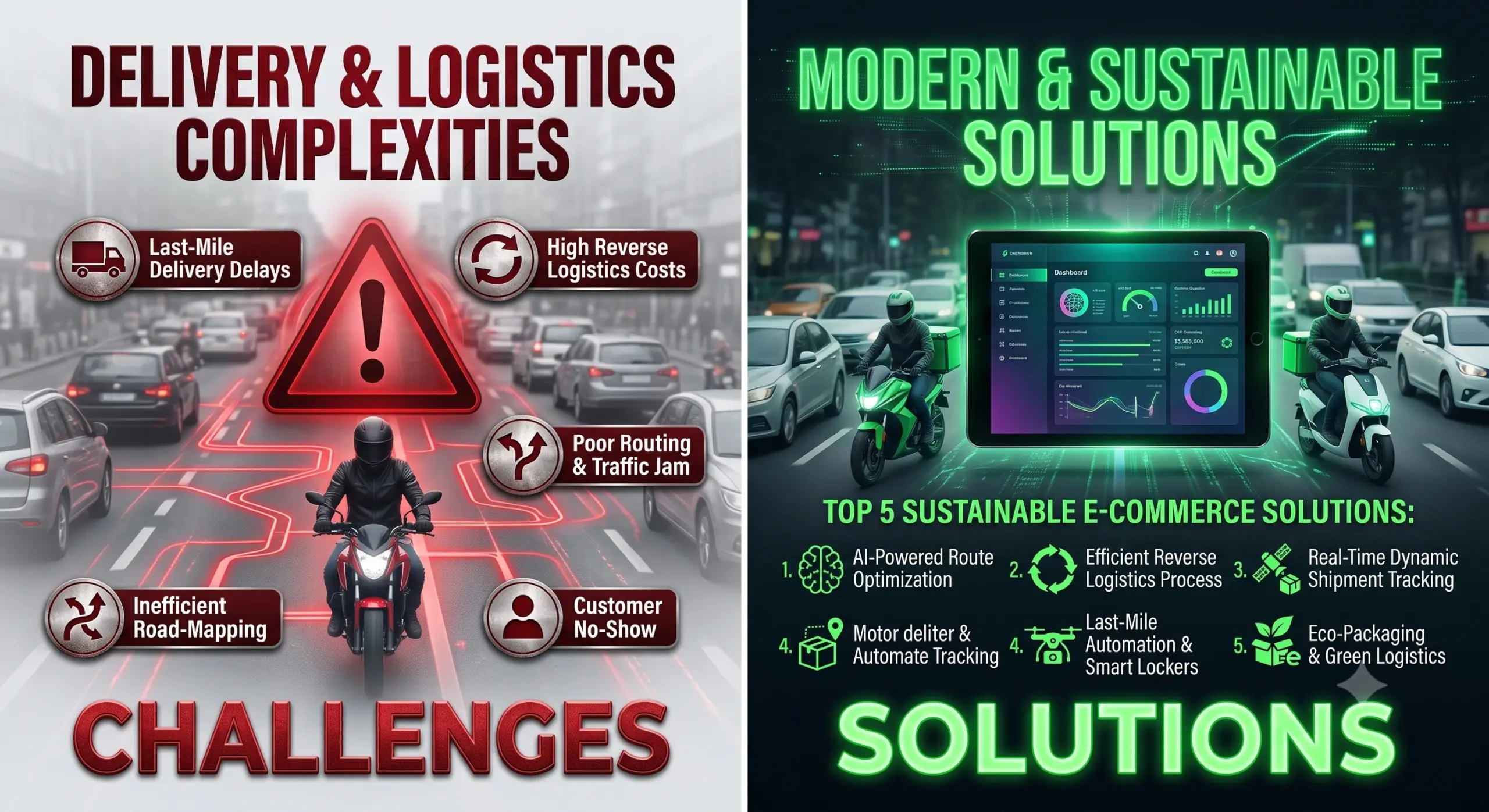
The 5 Core Logistics Challenges and How to Solve Them
1. Last-Mile Delivery: The Ultimate Testing Ground
The most critical and often most problematic phase of the logistics pipeline is last-mile delivery. This refers to the very final step of transporting the product from the final hub right to the customer’s doorstep, and it stands as the most expensive and time-consuming segment of the entire process.
- The Hurdles: Remote or rural areas often suffer from underdeveloped infrastructure, leading to widespread delays. Furthermore, confusing or missing address details turn deliveries into a trial-and-error headache, multiplying fuel costs and driver hours.
- The Solutions: Leverage automated tracking systems and smart route planners powered by modern GPS and AI software. You can also deploy shared delivery points, such as localized smart lockers or pickup hubs, allowing users to collect parcels at their own convenience while slashing individual residential run costs. For a comprehensive breakdown, you can watch this insightful guide on Understanding Last-Mile Logistics Challenges.
2. Reverse Logistics: Managing Returned Products
When a customer rejects a package or requests a return/exchange, the structural flow of bringing that item back to the warehouse and sorting it out is known as reverse logistics. For a vast majority of e-commerce platforms, this represents a hidden financial drain and a primary cause of warehouse congestion.
- Establish a Transparent Return Policy: Draft a straightforward, customer-centric return policy on your site. When customers easily comprehend the exact conditions required to return an item, unnecessary return requests drop, and buyer trust solidifies.
- Rapid Quality Checks and Restocking: Design a swift warehouse workflow to evaluate incoming returns. If the product passes inspection, restock it into active inventory immediately; if it is flawed, redirect it straight to repair or recycling lanes to protect your warehouse footprint. To see a customer-facing standard, review the clear guidelines on how platforms manage returns via the Reverse Logistics Framework Overview.
3. Lack of Supply Chain Visibility: Operating in the Dark
Failing to have accurate, live data regarding a package’s current physical position is another major pitfall. Today, both e-commerce brands and modern shoppers expect to know exactly where their order sits at any given moment. Without proper supply chain visibility, communication gaps multiply rapidly.
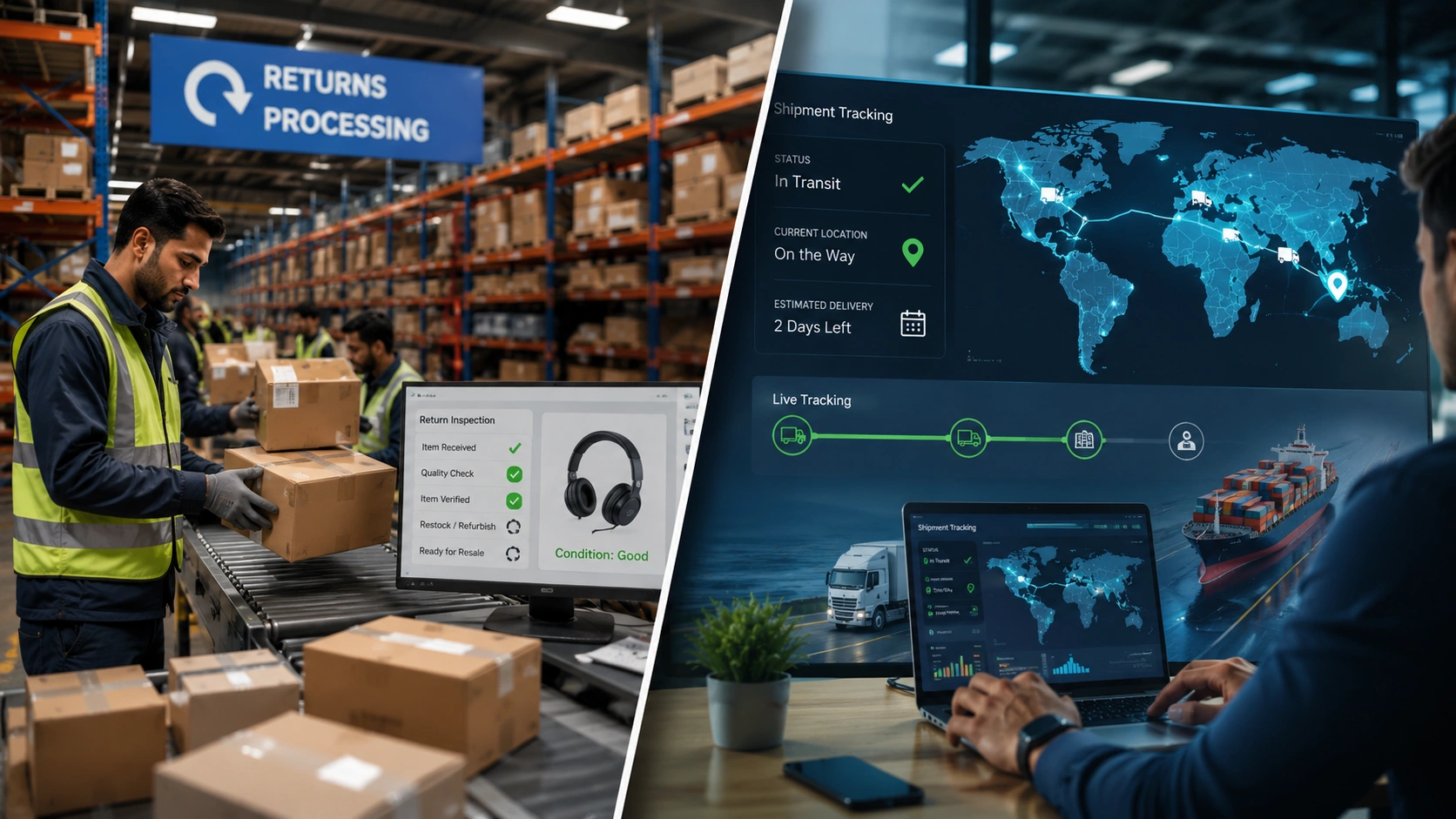
- Tech-Driven Real-Time Tracking: Deploy a centralized dashboard that maps out your end-to-end supply chain.
- Direct Customer Interfaces: Automatically share dedicated tracking links via SMS or automated emails immediately after dispatch. Let buyers check statuses autonomously to eliminate customer service backlogs, keeping operations clear even when coordinating sensitive orders like kids’ wear items.
4. Skyrocketing Transportation Costs: The Budget Burner
Fluctuating fuel prices, chronic urban congestion, and driver shortages stand as the main drivers behind climbing transportation rates. For small and medium-scale ventures, maintaining a proprietary fleet is incredibly cost-prohibitive.
- Form Long-Term Contracts: Instead of hiring random third-party couriers on an ad-hoc daily basis, sign corporate agreements with trusted logistics companies to lock in stable, predictable pricing tiers.
- Adopt a Shared Logistics Model: Co-sharing transport space and fulfillment centers with neighboring, non-competing businesses is an ideal setup for smaller brands looking to drastically slice fixed operational overheads.
5. Late Deliveries: An Unacceptable Delay
When digital consumers check out online, they expect their shipments to arrive within the precise timeline promised. Missing these deadlines can cause shoppers to permanently abandon your brand.
- Promise Realistic Timelines: Avoid promising lightning-fast delivery windows unless you are completely certain your backend can fulfill them. It is always better to under-promise and over-deliver by providing a realistic buffer window.
- Streamline Internal Workflows: Refine your internal warehouse operations. Create standard operating procedures to ensure orders are wrapped, labeled, and transferred to delivery agents immediately after payment confirmation, maintaining optimal care whether dispatching robust outerwear or delicate women’s fashion apparel.
Pro Tips
To build a resilient, scalable online store, stop looking at logistics as a simple business expense and start treating it as a core strategic investment. To stay on top of the e-commerce logistics landscape in regional hubs, keep tabs on insights from reputable media outlets like The Daily Ittefaq. Additionally, you can check out specialized logistics platforms like Lalamove’s blog to learn how AI and automation are continually reshaping modern distribution networks globally.
Conclusion: Shaping Business Trajectories via Efficient Supply Chains
Managing delivery and logistics complexities is not a minor operational detail—it is a core business pillar. While it poses a major challenge, leveraging the right strategic frameworks and software tools can flip this operational burden into a massive competitive advantage.
By engineering a smooth, transparent, and user-friendly supply chain, you naturally boost consumer retention, minimize wasted capital, and protect your brand’s long-term scale. Remember, modern shoppers aren’t just buying physical products; they are paying for the overall experience—and delivery is a premier part of that equation.
Now, it’s your turn: Do you currently run your own e-commerce shop or online business initiative? What specific kinds of products do you sell, and where do your primary buyers live (for example, are they located right inside central urban hubs or spread across outer suburban zones)? Drop your thoughts in the comment section below, and I will gladly help you map out the most effective, optimized logistics solution tailored for your specific business setup!

Related Posts

How to Start an Online Fashion Business Safely Starting an

Start an F-Commerce Business in 2026: The Ultimate No-Website Guide

How to Start an Online Business in Bangladesh: A-Z Guide
 WhatsApp
 Messenger
 Phone
Phone