
- Step 1: Audit Your Closet (The Free Fashion Upgrade)
- Step 2: Master the Cost-Per-Wear Principle
- Step 3: Establish a Cohesive Color Palette
- Step 4: Invest in the Essential Anchor Pieces
- Step 5: Smart Shopping Tactics for the Budget-Conscious
- Step 6: Master the Art of Budget Styling
- Step 7: Care for Your Clothes to Extend Their Lifespan
- Final Thoughts: Building Confidence Through Intentional Fashion
- Frequently Asked Questions
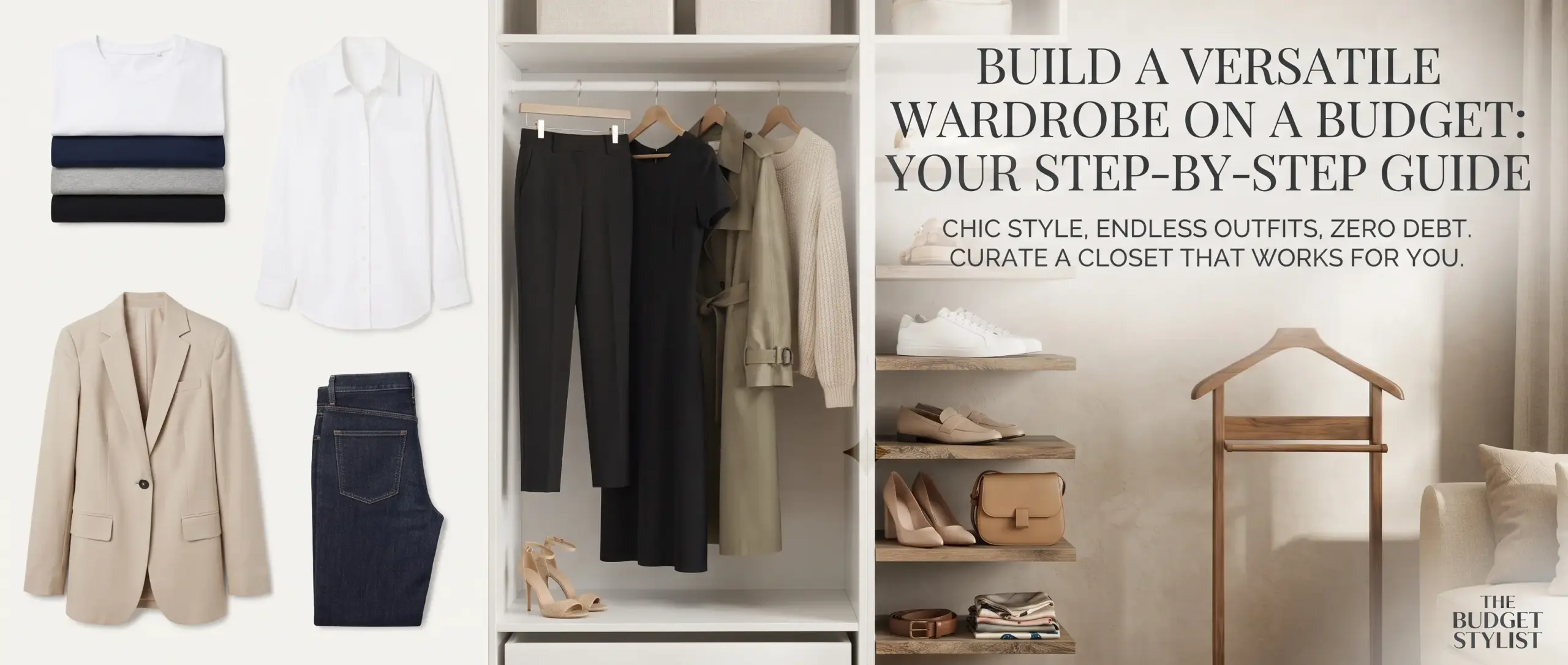 versatile wardrobe on a budget
Staring into a jam-packed closet every morning only to feel like you have absolutely nothing to wear is a frustratingly common experience. We often buy clothes impulse-by-impulse, snagging trendy items on sale that do not match anything else we own. The result is a chaotic wardrobe, morning stress, and a steadily draining bank account.
Building a versatile wardrobe on a budget is not about sacrificing style or settling for boring outfits. Instead, it is about shifting your mindset from buying more to choosing smarter. By focusing on interchangeable wardrobe essentials, strategic color coordination, and intentional shopping habits, you can create dozens of stylish, elevated looks with just a handful of affordable pieces. Explore more fashion and styling guides for practical wardrobe inspiration. Instead, it is about shifting your mindset from buying more to choosing smarter. By focusing on interchangeable wardrobe essentials, strategic color coordination, and intentional shopping habits, you can create dozens of stylish, elevated looks with just a handful of affordable pieces.
Here is a step-by-step guide to curating a flexible, timeless, and chic closet that works hard for your daily life without breaking the bank.
Step 1: Audit Your Closet (The Free Fashion Upgrade)
Before spending a single dollar on affordable fashion, the best place to start is inside your own closet. Most people regularly wear only about 20 percent of the clothing they own. Conducting a thorough closet audit helps you rediscover forgotten gems, purge items that no longer fit your life, and identify genuine gaps in your wardrobe.
Set aside a couple of hours on a weekend to pull everything out of your closet and drawers. Group your clothes into four distinct categories:
- Keepers: Items you wear consistently, feel confident in, and fit well right now.
- Alter or Repair: High-quality pieces that just need a minor fix, such as a missing button, a fallen hem, or slight tailoring.
- Donate or Sell: Clothing in good condition that no longer fits your body, personal style, or current routine. Selling these online or at consignment shops is an easy way to generate cash for your future wardrobe budget.
- Recycle: Worn-out items with irreparable stains or tears.
As you sort through your clothes, keep an eye out for patterns. Do you own five identical black t-shirts but lack a single pair of structured pants? Do you have plenty of formal dresses but no versatile jackets for layering? Identifying these patterns prevents you from repeating past shopping mistakes.
Step 2: Master the Cost-Per-Wear Principle
To stretch your fashion budget further, you need to change how you evaluate price tags. A $20 trendy top that you only wear twice actually costs you $10 per wear. On the other hand, a high-quality $80 pair of tailored trousers that you wear twice a week for two years ends up costing just a few cents per wear.
This concept—known as Cost-Per-Wear (CPW)—is the golden rule of budget styling. The principle is widely used in sustainable fashion discussions because it encourages consumers to evaluate long-term value instead of short-term purchases, a mindset also supported by organizations such as Sustain Your Style.
When shopping for basic clothes, ask yourself how often you will realistically wear the item across different seasons and settings. It makes financial sense to spend a bit more on daily anchor pieces, such as durable denim, a structured blazer, or comfortable footwear. Conversely, if you want to try a fun, fleeting trend, look for budget-friendly alternatives at thrift stores or discount retailers.
Step 3: Establish a Cohesive Color Palette
The secret to making a small collection of clothes yield endless outfit combinations lies in color harmony. When every piece in your closet complements every other piece, getting dressed becomes effortless.
A cohesive budget capsule wardrobe typically relies on a strategic color hierarchy:
Main Neutrals (60% of Your Closet)
Base neutrals are the workhorses of your wardrobe. Choose two primary neutrals that you naturally gravitate toward:
- Black and crisp white
- Navy and cream
- Camel, tan, or warm beige
- Charcoal gray and soft grey
Supporting Neutrals (20% of Your Closet)
Add one or two secondary neutrals that bridge your primary shades, such as denim washes, olive green, or subtle metallic finishes.
Accent Colors (20% of Your Closet)
Incorporate two or three pop colors that suit your skin tone and personal preference—such as burgundy, cobalt blue, forest green, or soft blush. Because your base pieces are neutral, any accent top or accessory you choose will automatically match your pants, skirts, and jackets.
Step 4: Invest in the Essential Anchor Pieces
A truly versatile wardrobe relies on foundational clothing items that effortlessly transition from casual weekends to formal workdays. When building a budget capsule, focus on securing these indispensable wardrobe essentials first:
1. The Classic White Button-Down Shirt
A crisp button-down is one of the most hardworking garments you can own. You can pair it with tailored trousers for a business meeting, tuck it into a pair of high-waisted jeans for casual Fridays, layer it under a sweater in winter, or wear it unbuttoned over a swimsuit in summer.
2. A Well-Fitted Blazer
An unstructured blazer instantly elevates simple basic clothes. Throwing a neutral blazer over a plain cotton white tee and dark-wash jeans immediately turns a low-effort outfit into a polished ensemble. Look for timeless cuts like mid-thigh length in single- or double-breasted styles.
3. High-Quality Dark-Wash Denim
Dark denim is inherently more formal and versatile than distressed or pale washes. A straight-leg or clean wide-leg cut in deep indigo or black seamlessly bridges the gap between everyday casualwear and smart-casual attire.
4. A Tailored Pair of Neutral Trousers
Swap denim for relaxed, tailored pants when you need a sharper look. Black, beige, or navy trousers offer polished comfort and match virtually any top or sweater in your collection.
5. Layering Tops
Stock up on high-quality crewneck t-shirts, ribbed tank tops, and lightweight fitted turtlenecks in neutral shades. These act as the connective tissue for all your outfits, working equally well under blazers, cardigans, and denim jackets.
6. The Little Black (or Neutral) Dress
A simple, classic midi dress can be dressed up with heels and bold jewelry for evening events, or dressed down with a denim jacket and white sneakers for a Sunday morning market walk.
7. Everyday Footwear
Limit your shoe budget to three versatile pairs:
- A clean pair of low-profile white leather sneakers.
- Comfortable neutral loafers, ballet flats, or classic ankle boots.
- A simple, elegant pair of block heels or dress shoes in nude or black.
Step 5: Smart Shopping Tactics for the Budget-Conscious
Building a versatile wardrobe on a budget requires patience and smart shopping habits. Avoid buying an entirely new wardrobe in a single weekend. Instead, build your collection gradually using these proven strategies:
Shop Secondhand and Vintage First
Thrift stores, local consignment boutiques, and online resale platforms are treasure troves for finding premium materials at rock-bottom prices. Popular resale platforms such as thredUP have helped make secondhand shopping more accessible for consumers looking to build affordable and sustainable wardrobes. High-end natural fabrics like 100% silk, pure wool, cashmere, and heavy linen often end up on secondhand racks for less than the price of fast-fashion synthetic clothes.
Shop Off-Season Sales
Retailers deeply discount seasonal inventory to clear space for new arrivals. Buy winter coats and wool sweaters late in the spring, and stock up on summer linens and swimwear at the end of summer. You will pay a fraction of the original retail price for classic styles you can wear for years to come.
Inspect Fabrics and Construction
Cheap clothes made of thin, cheap polyester tend to stretch out, pill, or lose their shape after just a few laundry cycles. Prioritize natural fibers like cotton, wool, linen, and viscose blends whenever possible. Learning how different textile fibers perform can help shoppers make better purchasing decisions, especially when comparing durability, comfort, and environmental impact. Check garment seams, hem lines, and button security before buying. A well-constructed mid-range garment will far outlast a cheaply made luxury knockoff.
Step 6: Master the Art of Budget Styling
Style is not defined by how much money you spend on your clothes—it comes down to how you put them together. With a few budget styling tricks, you can make an affordable outfit look vastly more expensive.
Follow the “Rule of Three” Outfit Formula
To make an outfit feel complete rather than plain, apply the rule of three. Your top and bottom count as items one and two. The third item—whether it is a belt, a structured blazer, a statement scarf, or a denim jacket—adds contrast and intentionally pulls the whole look together.
Leverage Accessories as Outfit Multipliers
Accessories are the most cost-effective way to refresh basic clothes without buying new outfits. A single black dress can look like three entirely different outfits depending on how you style it:
- Look 1: Paired with a tailored blazer and pumps for the office.
- Look 2: Capped off with a woven straw hat, canvas tote bag, and flat sandals for a weekend getaway.
- Look 3: Belted at the waist with a leather jacket and ankle boots for a night out.
Invest in a few timeless accessories, such as a classic leather belt, simple gold or silver hoop earrings, a structured shoulder bag, and a couple of lightweight silk or linen scarves.
Get Your Clothes Tailored
The single biggest secret to looking high-end on a budget is proper fit. Professional tailoring has long been considered one of the most effective ways to improve garment appearance and longevity, allowing everyday pieces to achieve a more personalized silhouette. Off-the-rack clothing is designed to fit a generic average body shape, which means it rarely fits anyone perfectly out of the store. Taking a $20 pair of thrifted trousers to a local tailor for a $15 hem or waist adjustment can make them look like a custom $200 designer piece.
Step 7: Care for Your Clothes to Extend Their Lifespan
The longer your clothes remain in crisp, pristine condition, the less money you will have to spend replacing them. Proper garment maintenance is an often-overlooked secret of smart shopping and budget-friendly closet management. Following textile care recommendations from resources like the American Cleaning Institute can help extend the lifespan of everyday clothing.
- Wash Less Often: Unless items are visibly dirty or sweaty, wash garments after two to three wears to prevent premature fabric breakdown.
- Wash on Cold: Use cold water cycles and gentle detergents to protect fabric fibers and preserve deep fabric dyes.
- Air Dry Whenever Possible: The high heat of clothes dryers damages delicate synthetic fibers, shrinks cotton, and destroys elasticity over time. Hang dry tops and pants, and lay heavy knit sweaters flat to dry.
- Invest in a Fabric Shaver: Pilling makes sweaters and tees look old and worn out. A low-cost electric fabric shaver instantly removes lint and pills, breathing fresh life into aging knitwear.
Final Thoughts: Building Confidence Through Intentional Fashion
Creating a versatile wardrobe on a budget is an ongoing journey, not an overnight transformation. It requires swapping impulsive retail therapy for intentional planning, prioritizing classic cuts over fleeting trends, and learning to love the process of reimagining basic garments.
By sticking to timeless styles, caring for your clothes, and relying on strategic outfit combinations, you will discover that a simpler, smaller closet actually offers far more creative freedom. You will save money, eliminate morning decision fatigue, and step out the door every day looking effortlessly pulled together.
Frequently Asked Questions
What are the first steps to creating a versatile wardrobe on a budget?
Building a versatile wardrobe on a budget starts with a thorough closet audit. Begin by decluttering items you no longer wear to identify what you actually use and need. Next, focus on acquiring high-quality wardrobe essentials in neutral colors like navy, black, white, and beige. These basic clothes form the foundation of your outfit combinations, making it easy to mix and match pieces effortlessly. When shopping for missing items, prioritize timeless silhouettes over trendy fads. By understanding your personal style and taking inventory first, you avoid impulse purchases and make every dollar count toward building a functional, stylish collection of clothes. You can also explore additional wardrobe planning resources to improve your shopping strategy.
How many pieces do I really need to build an effective capsule wardrobe without spending too much?
You do not need a massive closet to look stylish every day. A successful capsule wardrobe typically consists of around 20 to 30 versatile pieces, excluding activewear and formal attire. Focus on selecting high-use items such as tailored trousers, dark denim, crisp button-downs, versatile t-shirts, and a classic layer like a trench coat or blazer. Through smart shopping practices, such as visiting thrift stores or buying during seasonal clearance sales, you can acquire durable items without breaking the bank. Mastering budget styling techniques allows you to create dozens of distinct outfits from just a handful of well-chosen garments, maximizing your overall investment.
Where can I find quality clothes for budget styling without sacrificing durability?
Finding durable yet affordable fashion requires a strategic approach to retail shopping. Secondhand platforms, consignment shops, and thrift stores are treasure troves for high-quality, pre-loved garments at a fraction of their original retail price. Additionally, keep an eye out for end-of-season sales at traditional retail stores to score premium basic clothes at deep discounts. Prioritize natural fabrics like cotton, wool, and linen, which tend to hold up better over time than cheap synthetics. By focusing on material quality and fit rather than brand names, you can successfully craft a versatile wardrobe on a budget that remains stylish and durable for years to come.
How can I make a small collection of basic clothes look different every day?
The secret to making a compact collection feel expansive lies in creative styling and strategic accessories. Accessories such as scarves, belts, statement jewelry, and varied footwear can instantly transform simple wardrobe essentials into distinct looks suitable for different occasions. Layering is another powerful tool; pairing a sweater over a collared shirt or adding a blazer creates visual depth and variety. Stick to a cohesive color palette so that every top seamlessly pairs with every bottom. Adopting these smart shopping and styling habits ensures that your versatile wardrobe on a budget provides endless outfit combinations without requiring a constant influx of new items.
How do I stay on budget while keeping my wardrobe feeling modern and updated?
To keep your style fresh without overspending, embrace the 80/20 rule of budget styling. Allocate 80% of your wardrobe to timeless, high-quality basic clothes that never go out of style, and reserve 20% for fun, seasonal trends. When incorporating trends, turn to affordable fashion retailers, secondhand shops, or even rental services rather than investing heavily in short-lived fads. You can also update your daily look simply by altering the fit of existing garments through low-cost tailoring. This balanced approach allows you to enjoy modern trends while keeping your overall goal of maintaining a versatile wardrobe on a budget completely intact.

Related Posts
how to style a t-shirt Every wardrobe has one item
capsule wardrobe for everyday wear Standing in front of a

how to style basic clothes Most people believe that looking

neutral colors for outfits Standing in front of a closet
 WhatsApp
 Messenger
 Phone
Phone