
- Fabric First: Assessing Fiber Content, Weave, and Feel
- Inspecting Seams and Stitching Quality
- Hardware, Fasteners, and Trimmings
- Garment Construction, Linings, and Tailoring Details
- Evaluating Knits, Sweaters, and Activewear
- How to Identify Quality Clothing When Shopping Online
- Quick Reference Quality Inspection Checklist
- Investing in Long-Lasting Style
- Frequently Asked Questions
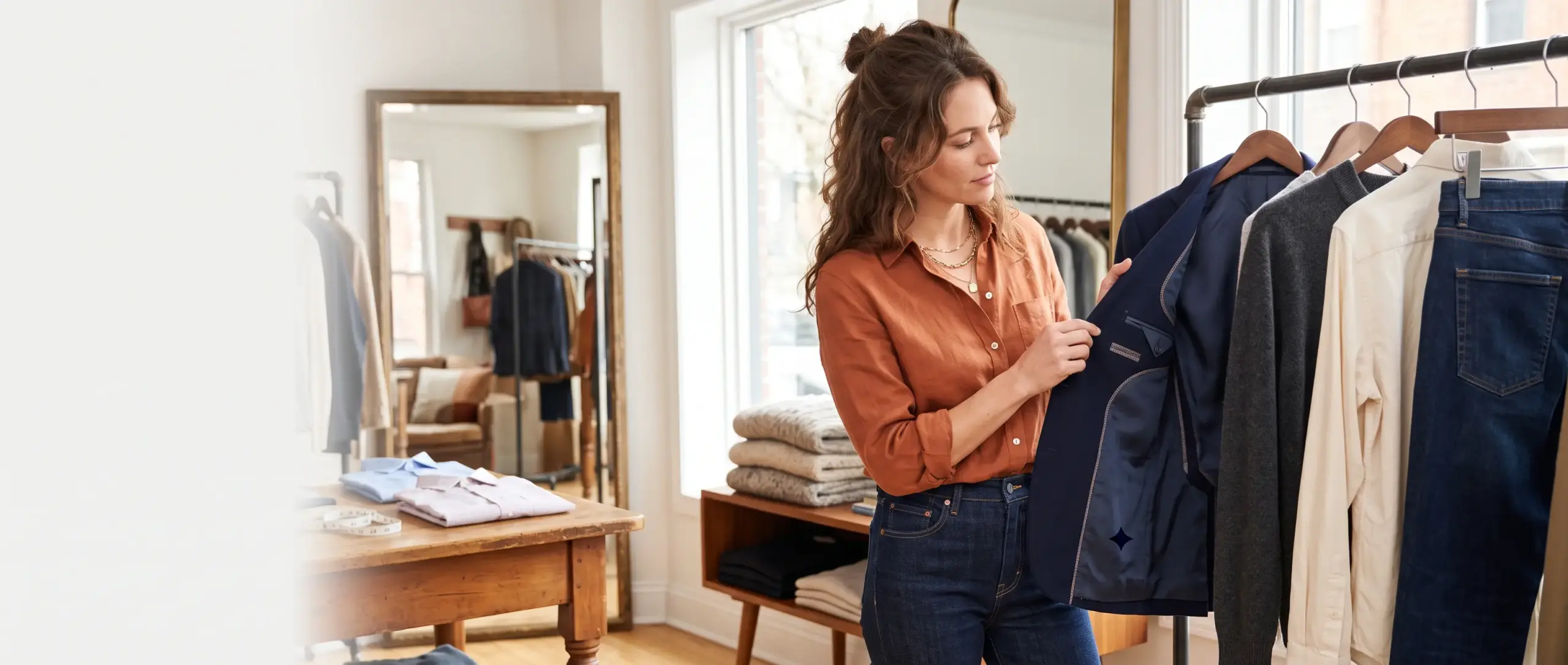 how to identify quality clothing
Have you ever bought a shirt that looked stunning on the rack, only to watch it lose its shape, shrink, or start pilling after just two washes? It is an all-too-common frustration. In an era dominated by fast fashion and high-volume production, high price tags no longer guarantee superior craftsmanship, and stylish branding often masks poor garment construction.
Learning how to identify quality clothing before making a purchase is one of the most rewarding skills you can develop. It empowers you to build a wardrobe that looks sophisticated, feels comfortable, and lasts for years instead of weeks. Beyond saving money in the long run, choosing durable clothes reduces textile waste and supports a more thoughtful, sustainable approach to personal style. The importance of sustainable consumption practices is becoming increasingly recognized worldwide.
Whether you are browsing a high-end boutique, shopping online, or thrift-hunting for vintage gems, knowing what to look for will completely change how you shop. Here is your ultimate guide to evaluating fabric, stitching, hardware, and construction like an industry insider.
Fabric First: Assessing Fiber Content, Weave, and Feel
The fabric is the foundational material of any garment. Understanding different materials through our guide on choosing the right fabrics for Bangladesh weather can help you make smarter clothing decisions. If the fabric is poor, even the best tailoring cannot save the piece. When evaluating clothing quality, your first step should always be inspecting the fabric composition tag and testing how the material feels in your hands.
Natural vs. Synthetic Fibers
While both natural and synthetic fibers have their place in modern clothing, high-quality garments generally rely heavily on premium natural fibers or thoughtful, functional blends. Understanding textile science and fiber technology helps consumers evaluate clothing materials more effectively.
- Cotton: Look for long-staple or extra-long-staple cottons, such as Pima, Egyptian, or Supima cotton. You can explore more about cotton fiber properties and textile science to understand why fiber quality matters. These fibers produce smoother, stronger yarns that resist pilling and feel exceptionally soft against the skin. Short-staple cotton feels rougher and breaks down much faster.
- Wool: High-grade wool—such as Merino, cashmere, or alpaca—offers natural temperature regulation, elasticity, and durability. The science and performance of wool fibers explain why wool remains valuable in quality garments. Good wool should feel soft rather than scratchy and should bounce back quickly when gently stretched.
- Linen: Derived from the flax plant, genuine linen is inherently durable, breathable, and highly absorbent. High-quality linen has a pleasant slubbed texture without feeling stiff or scratchy.
- Silk: Premium silk feels smooth, cool, and supple, displaying a soft, luminous sheen rather than a plastic-like shine. Look for momme weight (a measure of silk density); higher momme counts indicate denser, longer-lasting silk.
Synthetic materials like polyester, nylon, and acrylic are inexpensive to manufacture and offer moisture-wicking or stretch properties. Before selecting a garment, understanding cotton and polyester fabric differences can help you judge material quality more effectively. However, high percentages of cheap synthetics often trap heat, retain body odors, and pill easily.
A synthetic blend isn’t automatically bad—a small amount of elastane (1% to 3%) adds comfortable stretch to denim, while nylon can reinforce wool outerwear. The red flag is when a costly garment uses high percentages of polyester or acrylic primarily as a cost-cutting filler.
Fabric Weight, Density, and the “Light Test”
Weight and density are subtle indicators of garment quality. High-grade fabrics generally use higher thread counts or denser weaves, making them less prone to tearing or stretching out of shape.
An easy way to test woven tops, dresses, or blouses is the Light Test. Hold the fabric up against a light source and place your hand behind it. If the fabric is thin, transparent, and unevenly woven (without being intentionally sheer like chiffon), it lacks the fiber density required for long-term wear. Dense fabrics block light evenly and maintain structural integrity across repeated laundering cycles.
Wrinkle Recovery and Hand-Feel
To quickly test a fabric’s resilience, perform the Squeeze Test. Grasp a section of the garment in your hand, squeeze it tightly for five seconds, and release it.
- High-quality fabric will either resist wrinkling entirely or smooth out within seconds.
- Low-quality fabric will hold deep, unsightly creases that require intense steaming or ironing to remove.
Pay attention to how the fabric feels in your hands—a characteristic known in fashion as the “hand-feel.” Superior fabrics feel rich, substantial, and smooth, whereas lower-grade textiles often feel papery, excessively stiff, or oily from heavy chemical finishings applied to disguise cheap fibers.
Inspecting Seams and Stitching Quality
Stitching holds a garment together. Poor stitching leads to fraying, split seams, and distorted silhouettes after minimal wear. Examining the interior and exterior seams provides an accurate measure of a garment’s craftsmanship.
Stitch Density and Uniformity
One of the most reliable markers of stitching quality is stitch density—measured as stitches per inch (SPI). Higher stitch density creates stronger, smoother seams that lie flat against the body.
- High Quality: Features small, tight, evenly spaced stitches without loose loops, skipped stitches, or tangled threads.
- Low Quality: Uses long, loose stitches designed to save machine thread and speed up manufacturing. Long stitches snag easily, pull apart under stress, and create puckering along the seamline.
Gently pull the fabric on either side of a seam line. If the threads pull apart easily and reveal visible gaps between the panels, the garment will likely split under pressure.
Seam Finishes and Raw Edges
Turn the garment inside out to examine how the raw edges of the fabric are finished. Unfinished edges will fray over time, eventually causing the seam to fall apart.
- French Seams: The raw edges of the fabric are completely encased within the seam itself, leaving a clean, beautiful finish inside and out. This is a trademark of luxury apparel and fine delicate garments.
- Flat-Felled Seams: Common in durable workwear and high-grade denim, these double-stitched overlapping seams provide incredible strength and neat interior lines.
- Bound Seams: The raw edges are wrapped in a bias strip of fabric (often satin or cotton), preventing fraying and offering a polished look inside unlined jackets and coats.
- Overlocked/Surged Seams: Standard in most mass-market clothing. While functional for knits, check that the surging is tight, clean, and dense. Loose, sparse overlocking threads indicate low quality and cheap manufacturing.
Pattern Matching Across Seams
When inspecting patterned garments—such as stripes, checks, or plaids—pay close attention to how the pattern aligns across the major seams (e.g., side seams, center back, and pocket placements).
Matching complex patterns requires extra fabric and precise cutting during production. When a manufacturer aligns plaids and stripes seamlessly, it demonstrates a commitment to detail and quality construction. Mismatched patterns are a clear indicator of rushed mass production.
Hardware, Fasteners, and Trimmings
Buttons, zippers, snaps, and linings may seem like minor details, but they reveal whether a brand cuts corners or invests in superior craftsmanship.
Zippers
A broken zipper can render an otherwise great garment unwearable.
- Look for Metal or Heavy-Duty Molded Zippers: Trusted brands like YKK produce durable, smooth-gliding zippers.
- Check the Pull and Teeth: The slider should glide smoothly without catching on adjacent fabric or sticking. Metal zippers are ideal for coats, heavy jackets, and denim, while concealed nylon zippers should be securely stitched with fabric plackets protecting the teeth from snagging delicate undergarments.
Buttons and Buttonholes
Buttons are both functional and decorative indicators of clothing quality.
- Material: High-grade garments feature buttons made from natural, durable materials such as mother-of-pearl, horn, corozo nut, wood, or solid metal. Cheap, hollow plastic buttons are easily cracked, chipped, or melted under iron heat.
- Attachment: Buttons should be sewn securely with strong thread, ideally reinforced with a shank (a thread stem elevating the button off the fabric) to accommodate thick material without strain. Look for an extra backing button on heavy coats.
- Buttonholes: Inspect the buttonholes closely. They should feature dense, tight stitching around clean cutouts. Frayed thread ends, loose loops, or rough cuts mean the buttonhole will stretch out or tear over time.
Spare Buttons and Notions
Respected clothing makers often include extra hardware tucked into an interior pocket or attached to the care tag. Providing spare buttons, extra thread, or matching color swatches shows that the manufacturer expects the garment to be maintained and worn for a long time.
Garment Construction, Linings, and Tailoring Details
Beyond the fabric surface and seams, structural details define how a garment holds its shape, drapes on your body, and withstands daily movement.
Linings and Interfacings
A good lining improves structure, reduces friction so clothing glides over your body, prevents transparency, and extends the lifespan of the outer shell.
- Breathable Fabrics: High-quality jackets, coats, and skirts feature linings made from natural fibers or high-grade breathable synthetics like Bemberg (cupro), viscose, or silk. Cheap polyester linings trap sweat and create uncomfortable heat.
- Construction: The lining should fit smoothly inside the garment without pulling, gathering, or hanging lower than the outer hem. A small pleat (an ease pleat) along the center back lining of a jacket ensures you can move your arms comfortably without ripping the lining seams.
Hems and Seam Allowances
Check the inner hems of trousers, skirts, and dresses.
- Generous Seam Allowances: Well-made clothing leaves generous seam allowances (1 to 2 inches of extra fabric inside the hem and side seams). This allows you or a tailor to alter the length or take the garment in or out as your body changes. Cheap fashion typically trims margins down to fractions of an inch to save fabric costs.
- Blind Hems: Look for blind-stitched or hand-sewn hems on formal trousers and skirts where stitches remain virtually invisible from the outside. Thick, visible machine topstitching on formal attire often indicates lower-end manufacturing.
Reinforced Stress Points
Everyday movement puts strain on specific areas of your clothes—such as pocket corners, slit openings, belt loops, and armpits.
Durable clothes feature bar-tacks (dense, narrow zig-zag stitches) or small metal rivets at these high-strain areas to prevent tearing. If pocket corners or belt loops are attached with just a single thin row of straight stitching, they are far more likely to rip away from the fabric over time.
Evaluating Knits, Sweaters, and Activewear
Knitted garments—such as sweaters, cardigans, t-shirts, and activewear—require specific inspection criteria compared to structured woven garments.
Fully Fashioned Knits vs. Cut-and-Sew
When shopping for knitwear, look closely at how the panels (like sleeves and torsos) are joined together:
- Fully Fashioned Knits: Higher-quality sweaters are knitted directly into the precise shape of each panel. Look along the armhole seams for visible vertical dots or shaped rows of stitches (fashioning marks). This technique creates stronger seams and eliminates bulky raw edges.
- Cut-and-Sew Knits: Lower-quality knitwear is made by cutting flat knitted fabric like paper patterns and serging the raw edges together. This method creates bulky interior seams that can chafe and warp after washing.
Gauge and Ply
In sweaters, ply refers to the number of strands twisted together to form the yarn (e.g., 2-ply, 4-ply). Multi-ply yarns are stronger, warmer, and less prone to pilling than single-ply yarns.
Gently stretch the knit sideways. A well-constructed knit will bounce back to its original shape immediately. If the knit remains stretched out or shows thin, loose spaces between threads, it will quickly lose its fit.
How to Identify Quality Clothing When Shopping Online
Evaluating clothing quality is straightforward when you can feel the fabric and check interior seams in a physical store. But how do you assess quality when buying online?
Here are effective strategies for identifying durable garments through a screen:
- Read the Fabric Composition List: Don’t rely solely on descriptive terms like “silky soft” or “cozy knit.” Scroll down to the specifications section and check the exact percentages of fibers used.
- Zoom in on High-Resolution Photos: Look closely at close-up shots of seams, buttonholes, and patterns. Check whether patterns match at the shoulders and sides, and inspect the texture of the fabric surface.
- Check Model Fit and Movement: Watch product videos if available. Pay attention to how the fabric drapes as the model walks. Does it hang naturally, or does it cling awkwardly, crease instantly, or twist at the seams?
- Analyze User Reviews and Customer Photos: Look for real buyer reviews mentioning durability, pilling, fabric weight, and washing results. Unfiltered customer photos frequently reveal true fabric texture and construction details missing from studio images.
- Examine the Brand’s Repair and Guarantee Policies: Companies confident in their garment quality often offer warranty programs, complimentary repair services, or clear return policies.
Quick Reference Quality Inspection Checklist
Keep this practical checklist in mind next time you visit a store or unbox an online order:
- Fabric Test: Does the material feel substantial, smooth, and resilient when squeezed?
- Light Check: Is the fabric weave uniform and sufficiently dense?
- Seam Inspection: Are stitches small, straight, and tight, without visible gaps when pulled?
- Interior Finish: Are raw fabric edges cleanly bound, overlocked, or tucked into French seams?
- Hardware Function: Do zippers glide smoothly, and are buttons made of sturdy materials firmly anchored?
- Pattern Alignment: Do stripes and plaids align across major side seams and pockets?
- Hem Margins: Is there enough hem allowance for alterations, and is the stitching secure?
- Stress Reinforcement: Are pockets, belt loops, and slits reinforced with bar-tack stitching?
Investing in Long-Lasting Style
Mastering how to identify quality clothing changes your relationship with your wardrobe. Rather than constantly replacing worn-out items, you begin collecting well-crafted pieces that age gracefully and retain their beauty over years of wear. Following proper clothing care practices can further extend the lifespan of your wardrobe.
Quality is rarely about flashy logos or exorbitant designer price tags. True quality lives in the quiet details: the choice of long-staple fibers, the precision of a tight stitch, the smooth glide of a metal zipper, and the thoughtful inclusion of seam allowances. By spending a few extra minutes inspecting these element before you buy, you make smarter financial decisions, look effortlessly put-together, and contribute to a more sustainable fashion footprint.
Frequently Asked Questions
How can I check the fabric quality of a garment before purchasing it?
Checking fabric quality is one of the easiest ways to evaluate a garment before buying. Start by touching the material; high-quality fabrics generally feel soft, substantial, and resilient rather than overly thin, rough, or scratchy. Hold the piece up to a bright light to see how dense the weave or knit is, as denser fabrics usually indicate more durable clothes. Furthermore, perform a gentle scrunch test by squeezing a section of the fabric in your hand for a few seconds. If it wrinkles severely and stays crumpled, the garment may require high maintenance and wear out quickly. Knowing how to identify quality clothing starts with understanding these simple tactile and visual tests.
What should I look for when inspecting stitching quality on clothes?
Evaluating stitching quality is essential when learning how to identify quality clothing during your shopping trips. Turn the garment inside out to examine the internal seams carefully. Look for tight, straight, and evenly spaced stitches without any loose threads, fraying, or visible gaps when you gently tug the fabric apart. High-grade garments often feature French seams, flat-felled seams, or clean surged edges that conceal raw fabric ends entirely. Double-stitched hems and reinforced stress points, such as pocket corners and armpits, also signal superior construction. By applying these practical buying tips, you can ensure that the item will hold up through repeated wearing without unraveling.
How do buttons and zippers indicate overall garment quality?
Fasteners and hardware offer immediate clues about the overall garment quality of any piece you are considering. Quality garments feature sturdy zippers, often made of metal or robust resin, that slide smoothly without snagging or catching on nearby fabric. Buttons should be made of durable materials like horn, mother-of-pearl, wood, or heavy-duty resin, rather than thin, flimsy plastic. Additionally, check how the buttons are attached; they should be securely sewn with multiple thread passes and feature clean, fully bound buttonholes without fraying threads. High-end brands frequently include spare buttons attached to the care tag, demonstrating a commitment to long-term wearability and value.
Does pattern matching across seams really matter when assessing clothing quality?
Yes, seamless pattern matching across side seams, pockets, and plackets is a hallmark indicator of superior clothing quality. When manufacturers cut costs, they ignore how stripes, plaids, or complex prints align across different fabric panels. Aligning patterns requires extra fabric and precise cutting, which significantly increases production costs and construction time. If a striped shirt or plaid jacket lines up perfectly at the seams, it demonstrates that the brand prioritizes craftsmanship over cheap manufacturing. Paying attention to these subtle design details is one of the best buying tips for selecting durable clothes that look sophisticated and well-constructed.
Are natural fibers always better than synthetic fibers for durable clothes?
While natural fibers like cotton, wool, silk, and linen generally offer better breathability and longevity, synthetics are not always a bad sign. High-quality natural materials are comfortable and age gracefully, making them ideal foundation pieces for a long-lasting wardrobe. However, modern high-performance garments often blend synthetic fibers, such as nylon or elastane, to enhance stretch, water resistance, or shape retention. The secret of how to identify quality clothing is looking at the percentage and purpose of the blend. A small amount of elastane in denim adds comfort without sacrificing strength, whereas high percentages of cheap polyester in knitwear often lead to pilling.
What role do linings and hems play in determining fabric quality and construction?
Linings and hems provide valuable insight into overall garment quality and long-term durability. A well-made coat, jacket, or skirt usually features a full lining that protects the main fabric, improves fit, and ensures the piece drapes smoothly over your body. Look for linings made from breathable fabrics like silk, rayon, or viscose rather than sticky, cheap polyester. When inspecting hems, ensure there is a generous fabric allowance, which indicates that the manufacturer did not skimp on materials. Deep, neatly finished blind hems allow for future alterations and prevent fraying, proving that the maker prioritized craftsmanship and lasting usability.
How can simple physical tests help me master how to identify quality clothing?
Performing quick physical tests in the fitting room is a practical approach to assessing clothing quality before spending your hard-earned money. First, try the gentle pull test on knits and stretch fabrics; pull a section apart gently and release it to see if it immediately snaps back into its original shape. If the fabric sags or remains distorted, it will likely lose its structure after a few washes. Second, feel the weight of the garment, as heavier fabrics generally offer superior durability and insulation. Combining these quick physical checks with our recommended buying tips will empower you to build a stylish, resilient wardrobe filled with lasting pieces.

Related Posts

Stains From Clothes Safely We have all experienced that stomach-dropping

how to wash cotton clothes There is nothing quite like
how to read clothing labels We have all been there:
best fabrics for Bangladesh weather Living in Bangladesh means experiencing
 WhatsApp
 Messenger
 Phone
Phone