
- What Is an Everyday Capsule Wardrobe?
- Step 1: Audit and Declutter Your Existing Closet
- Step 2: Define Your Palette and Aesthetic
- The Core Checklist: Essential Closet Essentials
- How to Mix and Match: Formulas for Easy Outfits
- Seasonal Transitioning and Wardrobe Longevity
- Common Pitfalls When Building Your Capsule
- Building Lasting Confidence Through Simplicity
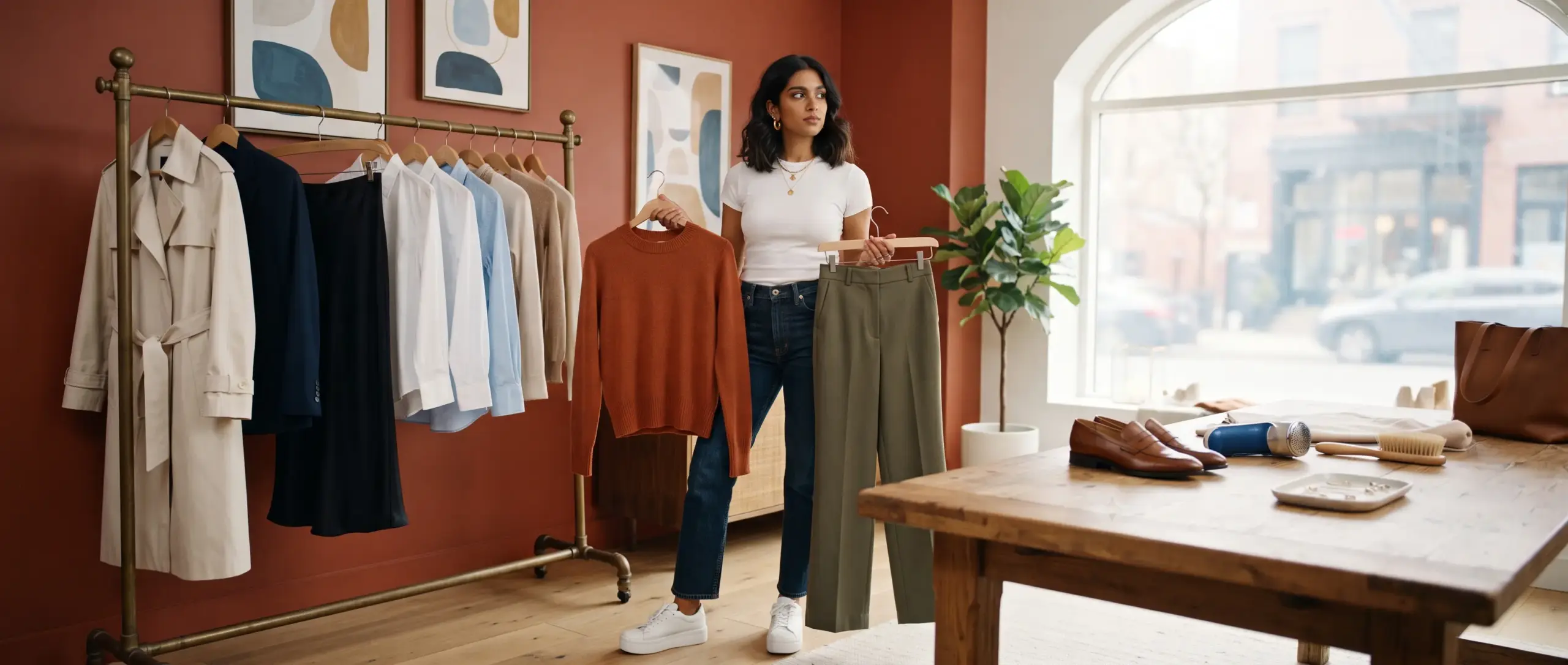 capsule wardrobe for everyday wear
Standing in front of a closet overflowing with clothes while feeling like you have absolutely nothing to wear is a frustratingly common experience. We buy new pieces for specific events, stock up on trendy items during seasonal sales, and hold onto older garments out of nostalgia or guilt. The result is visual clutter, morning decision fatigue, and a wardrobe full of individual items that rarely work well together.
Building a capsule wardrobe for everyday wear offers a practical and stylish solution to this modern dilemma. Creating a strong foundation also starts with understanding how to style basic clothes for a polished look and making everyday pieces work together. Rather than limiting your self-expression, a thoughtfully curated minimalist wardrobe streamlines your routine, ensures every item fits comfortably, and makes getting dressed a seamless, enjoyable experience.
This comprehensive capsule wardrobe guide breaks down how to build a functional, stylish, and adaptable collection of clothing tailored to your real, daily life.
What Is an Everyday Capsule Wardrobe?
The concept of a capsule wardrobe originated in the 1970s with London boutique owner Susie Faux and gained widespread popularity in the 1980s through designer Donna Karan’s “7 Easy Pieces” collection. The idea is closely connected with building a smaller collection of versatile clothing pieces, a concept also discussed in broader fashion sustainability conversations by organizations such as the Ellen MacArthur Foundation’s fashion initiative. At its core, a capsule wardrobe is a small, intentional selection of versatile clothing items that can be effortlessly mixed and matched to create numerous outfit combinations.
While some minimalist wardrobe philosophy advocates for strict rules—such as capping your clothing at 30 or 37 items—an everyday capsule wardrobe does not require rigid numerical limits. Instead, it focuses on intentionality, quality, and functional styling.
Key Benefits of a Streamlined Closet
- Reduced Decision Fatigue: Eliminating unnecessary clothing options frees up mental energy every morning.
- Elevated Daily Style: When every item in your closet fits well and aligns with your personal aesthetic, every outfit feels cohesive and put-together.
- Financial and Environmental Sustainability: Investing in well-made basic clothes reduces impulse spending and minimizes textile waste over time.
- Reducing clothing waste has become an important part of global sustainability discussions, with organizations like the United Nations Environment Programme discussing sustainable fashion challenges
- Effortless Organization: A curated wardrobe takes up less physical space, making your closet easier to maintain and keep clean.
Step 1: Audit and Declutter Your Existing Closet
Before buying anything new, you must assess what you already own. Most people wear about 20 percent of their closet 80 percent of the time. The goal of a wardrobe audit is to identify that essential 20 percent and understand why those pieces consistently work for you.
How to Conduct a Thorough Wardrobe Audit
- Clear Everything Out: Remove all clothing from your closet, drawers, and clothing racks. Place everything on your bed so you can review each item individually.
- Sort into Four Distinct Categories:
- Keep: Items that currently fit well, feel comfortable, suit your lifestyle, and make you feel confident.
- Tailor or Repair: Pieces you love that require minor alterations, such as a missing button, a loose hem, or a slight adjustment at the waist.
- Store (Seasonal): Out-of-season items like heavy winter parkas or summer swimwear that do not belong in your current daily rotation.
- Donate or Resell: Items that no longer fit, do not suit your current style, or feel uncomfortable to wear throughout the day.
- Analyze Your Keep Pile: Look closely at the garments you decided to keep. Notice recurring themes in color choices, necklines, fabrics, and silhouettes. This visual collection reveals your true, practical style preferences.
Aligning Your Clothes with Your Daily Reality
A frequent mistake when building a capsule wardrobe is creating a collection for a “fantasy lifestyle” rather than your actual daily routine. If you work from home three days a week and walk your dog daily, your capsule wardrobe for everyday wear should prioritize comfortable trousers, quality knits, and functional footwear rather than evening dresses or stiff suits.
Consider your average week and assign realistic percentages to your lifestyle activities, such as work, casual errands, social outings, and relaxed home time. Your finished wardrobe should match these proportions closely.
Step 2: Define Your Palette and Aesthetic
A cohesive color palette is the secret to making a small wardrobe yield dozens of outfit combinations. Understanding neutral colors for outfits and wardrobe styling can help you create more versatile combinations. When every top pairs naturally with every bottom, dressing becomes fast and effortless.
Base Neutrals (Black, Navy, Camel, White)
↓
Secondary Neutrals (Grey, Beige, Cream, Khaki)
↓
Accent Colors (Olive, Soft Blue, Burgundy, Rust)
Choosing Base and Secondary Neutrals
Neutrals form the foundation of your minimalist wardrobe because they pair effortlessly with almost anything. Select two to three main neutrals that flatter your skin tone and sit comfortably alongside your personal taste:
- Dark Neutrals: Black, deep navy, charcoal grey, or chocolate brown.
- Light Neutrals: Soft white, cream, ivory, beige, or heather grey.
Introducing Intentional Accent Colors
A capsule wardrobe does not have to be limited to black and white. Adding two or three complementary accent colors prevents your outfits from feeling monotonous while maintaining overall harmony. Great everyday accent tones include muted olive green, soft slate blue, warm rust, or soft burgundy.
Because these accents are grounded by your base neutrals, you can weave them in through knitwear, blouses, scarves, or footwear without disrupting your outfit formulas.
The Core Checklist: Essential Closet Essentials
While everyone’s specific needs differ based on climate and occupation, an everyday capsule wardrobe typically relies on a foundation of timeless, versatile closet essentials.
1. High-Quality Tops and Knits
Tops are usually the items in your wardrobe that require the most frequent rotation and washing. Focus on clean cuts and breathable fabrics like organic cotton, silk, linen, and merino wool. Choosing suitable materials is especially important for comfort, so understanding the best fabrics for Bangladesh weather can help you select practical everyday clothing. Choosing suitable materials is especially important for comfort, so understanding the best fabrics for Bangladesh weather can help you select practical everyday clothing.
- Classic White and Black T-Shirts: Two or three high-quality crewneck or V-neck t-shirts made from substantial cotton that holds its shape.
- Button-Down Shirts: One crisp white poplin shirt and one relaxed denim or linen shirt for casual layering.
- Fine-Gauze or Lightweight Knits: A crewneck or V-neck sweater in a soft neutral tone like camel or grey.
- Layering Tanks and Camisoles: Basic undershirts in neutral shades to layer under cardigans, sheer blouses, or structured blazers.
2. Versatile Bottoms
The right bottoms ground your outfits and set the tone for whether an ensemble feels casual, professional, or elevated.
- Straight-Leg Denim: A mid-rise or high-rise jean in a dark or medium wash without excessive distressing offers maximum versatility.
- Tailored Trousers: A wide-leg or straight-leg trouser in black, navy, or beige that easily pairs with both sneakers and dress shoes.
- Casual Slip or A-Line Skirt: A simple midi skirt in a dark neutral or subtle print that transitions effortlessly from daytime to evening.
3. Layering Pieces and Outerwear
Outerwear completes an outfit, adding structure, depth, and temperature regulation throughout changing seasons.
- Structured Blazer: An oversized or tailored blazer instantly elevates basic clothes, making a simple tee-and-jeans pairing look intentional.
- Classic Trench or Utility Jacket: A lightweight waterproof trench coat or structured military-style jacket for crisp mornings and wet weather.
- Cozy Cardigan: An open-front or button-up cardigan made from soft wool or cotton blends that works both as a top and a layering piece.
4. Footwear for Daily Comfort
Footwear should balance style with practical everyday comfort. A functional capsule wardrobe typically requires three core styles:
- Clean White Leather Sneakers: Practical, timeless, and effortlessly stylish when paired with everything from tailored pants to casual dresses.
- Leather Loafers or Ballet Flats: Smart, comfortable flat shoes for work environments or elevated casual days.
- Versatile Ankle Boots: A comfortable boot with a low block heel in black or rich brown leather for cooler months.
How to Mix and Match: Formulas for Easy Outfits
The true strength of a well-designed everyday wear capsule lies in its modularity. With around 15 to 20 well-chosen items, you can create over 30 distinct outfit combinations using simple, repeatable styling formulas.
The Three-Piece Rule
A classic styling trick used by fashion editors is the “Three-Piece Rule.” This formula suggests that an outfit consists of a base top and bottom (pieces one and two) plus a third finishing piece. The third item—such as a structured blazer, a draped cardigan, a leather belt, or a bold scarf—adds depth and makes the ensemble look styled rather than just thrown together.
Formula 1: Elevated Casual
- Top: Fitted white cotton t-shirt
- Bottom: Straight-leg medium-wash denim
- Third Piece: Tailored dark blazer
- Footwear: Clean white leather sneakers
- Best For: Casual work environments, weekend brunch, or running errands.
Formula 2: Polished Comfort
- Top: Classic white button-down shirt (slightly unbuttoned or French-tucked)
- Bottom: Tailored beige wide-leg trousers
- Third Piece: Fine-knit sweater draped over the shoulders
- Footwear: Leather loafers
- Best For: Business-casual offices, parent-teacher meetings, or travel days.
Formula 3: Cozy Modern
- Top: Soft crewneck sweater in camel or grey
- Bottom: Black midi skirt or relaxed dark trousers
- Third Piece: Classic trench coat
- Footwear: Ankle boots
- Best For: Transitional autumn weather, dinner with friends, or day trips.
Seasonal Transitioning and Wardrobe Longevity
A successful capsule wardrobe for everyday wear adapts easily as weather conditions shift throughout the year. Instead of replacing your entire collection every season, maintain a core year-round base and make small, strategic swaps.
Care and Maintenance Practices
To ensure your basic clothes last for years rather than single seasons, proper garment care is essential. Following proper clothing care and maintenance practices helps preserve fabric quality and extend garment life.
- Wash Less Frequently: Unless items are visibly dirty, air out wool knits, blazers, and dark denim between wears instead of washing them after every use.
- Following proper washing and care instructions can help maintain clothing quality. Many brands provide detailed garment care guidance focused on extending product life.
- Use Cold Water and Gentle Cycles: Cold water preserves garment fibers and prevents color fading.
- Air Dry When Possible: High heat from tumble dryers degrades elastic fibers and shrinks natural fabrics like cotton and wool.
- Invest in Garment Care Tools: A fabric shaver removes pills from sweaters, a wooden clothes brush removes dust from coats, and sturdy wooden hangers help garments retain their natural shape.
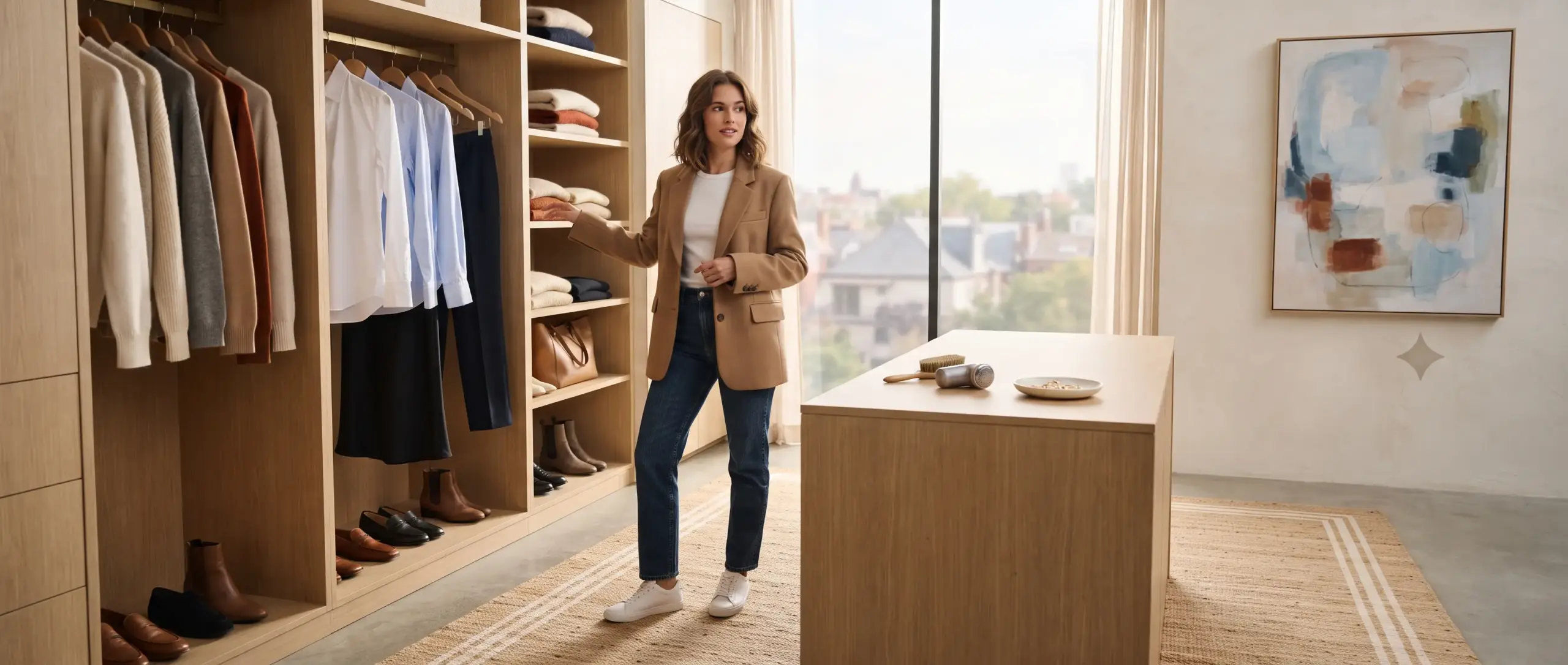 How to Build a Capsule Wardrobe
Common Pitfalls When Building Your Capsule
Transitioning to a minimalist wardrobe is a gradual process. Avoiding these common mistakes will save you money and prevent frustration along the way.
1. Buying an Entire Capsule Wardrobe at Once
Resist the urge to buy a completely new wardrobe in a single shopping spree. Building a functional wardrobe takes time, testing, and adjustment. Purchase pieces gradually as you identify true gaps in your daily outfits.
2. Copying Someone Else’s Exact Wardrobe List
Inspiration photos and curated online lists are helpful starting points, but copying someone else’s wardrobe line-by-line rarely works. Your climate, profession, laundry habits, personal style, and body shape are unique to you. Treat template checklists as general guidelines rather than rigid mandates.
3. Choosing Perfection Over Practicality
A capsule wardrobe should make your life easier, not more restrictive. If you love wearing colorful printed dresses or bold jewelry, include them! The goal is not to eliminate personality or color, but to eliminate excess clutter and focus on garments you genuinely wear and enjoy.
4. Sacrificing Comfort for Aesthetic
If an item looks beautiful on a hanger but feels tight, scratchy, or restrictive when sitting down, it does not belong in your daily capsule. Comfort is the single most important factor determining whether an item becomes a staple or remains unworn in your closet.
Building Lasting Confidence Through Simplicity
Creating a functional, thoughtful capsule wardrobe for everyday wear is ultimately an exercise in self-knowledge. By stepping away from fast-fashion cycles and focusing on garments that reflect your genuine lifestyle, you gain absolute clarity over your personal style.
When your closet is filled exclusively with high-quality closet essentials that fit comfortably and mix effortlessly, getting dressed each morning changes from a stressful chore into a calm, reliable routine. Start small, focus on quality over quantity, and build a wardrobe that serves your daily life with ease and style.

Related Posts

how to style a t-shirt Every wardrobe has one item

how to style basic clothes Most people believe that looking

neutral colors for outfits Standing in front of a closet

how to match colors in clothes Standing in front of
 WhatsApp
 Messenger
 Phone
Phone