
- 1. Focus on the Fundamentals: Fit, Fabric, and Garment Care
- 2. Master Tone-on-Tone and Monochromatic Dressing
- 3. Elevate Casual Basics with the "Third Piece" Rule
- 4. Use Accessories to Define and Anchor Your Look
- 5. Practical Formula: Styling Everyday Wardrobe Basics
- 6. Proportions, Tuck Techniques, and Silhouettes
- 7. The Unsung Details: Grooming and Intentionality
- Summary Checklist for Everyday Styling
- Frequently Asked Questions
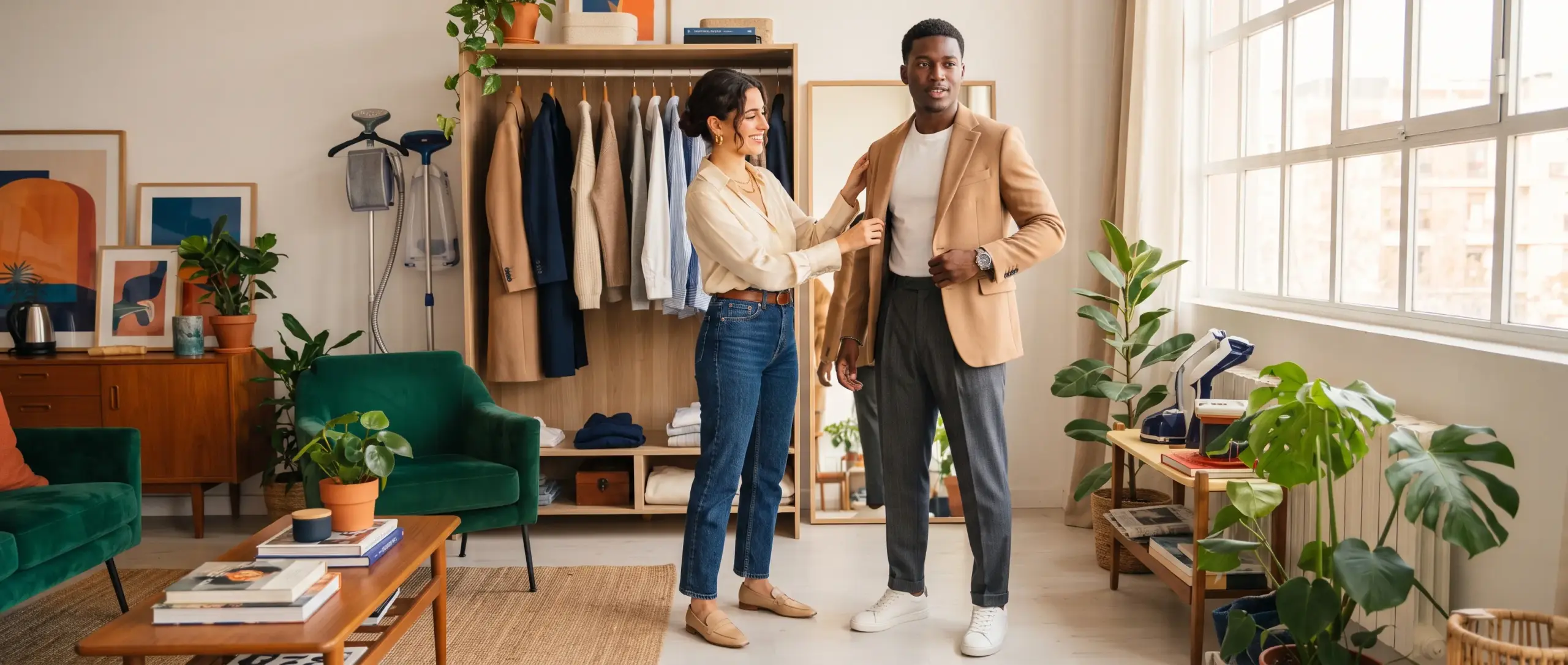 how to style basic clothes
Most people believe that looking stylish requires a closet packed with designer labels, vibrant patterns, and the latest runway trends. However, the most refined wardrobes are often built on simplicity. Wardrobe basics—such as a classic white t-shirt, tailored trousers, straight-leg denim, and a neutral blazer—are the unsung heroes of personal style. Building a coordinated wardrobe also becomes easier when you understand how to create more outfits from the clothes you own. They offer endless versatility and timeless appeal.
The difference between looking plain and looking exceptionally put-together isn’t the price tag on your clothes; it comes down to intentional styling. When you know how to style basic clothes, you transform everyday items into sophisticated, cohesive outfits that reflect confidence and effortlessness.
In this comprehensive guide, we will explore practical, elevated styling techniques to help you elevate simple outfits into polished, high-end looks without purchasing an entirely new wardrobe.
1. Focus on the Fundamentals: Fit, Fabric, and Garment Care
Before diving into accessories or layering tricks, it is essential to understand that the foundation of a polished look starts with how your clothing fits and how well it is maintained. Even the simplest outfit will look high-end if the garment fits impeccably and is in pristine condition.
The Power of Tailoring
Off-the-rack clothing is designed to fit standard body measurements, which rarely align perfectly with individual shapes. Taking your wardrobe basics—like a pair of mid-rise trousers or a classic blazer—to a local tailor can make a dramatic difference. Hemming pants to the correct length, nipping in the waist of a button-down shirt, or shortening coat sleeves slightly creates a custom silhouette that looks expensive and curated.
Prioritize Natural Fabrics
When choosing wardrobe basics, pay attention to material composition. Choosing the right materials for your climate is important, especially when selecting comfortable everyday clothing. Explore the best fabrics for Bangladesh weather to understand suitable textile choices. Natural fabrics naturally drape better, feel superior on the skin, and age more gracefully than cheap synthetic blends.
Learning more about textile properties and fiber characteristics can help shoppers make better clothing decisions. The Textile School textile education resources provide detailed information about fabrics, fibers, and textile production.
- Cotton: Look for heavyweight, high-density cotton for t-shirts and button-downs. It holds its shape and avoids looking sheer or flimsy.
- Linen: Ideal for casual fashion in warmer months, linen offers a crisp yet relaxed texture.
- Wool and Cashmere: Essential for knitwear, these materials provide warmth without bulk and exude understated elegance.
- Silk and Satin: A subtle sheen in a simple blouse or slip skirt instantly adds richness to an otherwise minimal outfit.
Meticulous Garment Care
A worn-out, wrinkled t-shirt will never look sophisticated, regardless of how you style it. Maintaining your clothing elevates everyday styling significantly. Proper maintenance habits can also help extend garment life through simple clothing care techniques.
- Invest in a Steamer: Steaming removes wrinkles faster than ironing and prevents fabric damage, instantly making casual pieces look fresh.
- Use a Lint Roller and Fabric Shaver: Depilling wool sweaters and removing pet hair or fluff keeps dark clothes crisp and sharp.
- Proper Storage: Hang blazers and coats on padded or wooden hangers to maintain shoulder structure, and fold heavy knits to prevent stretching.
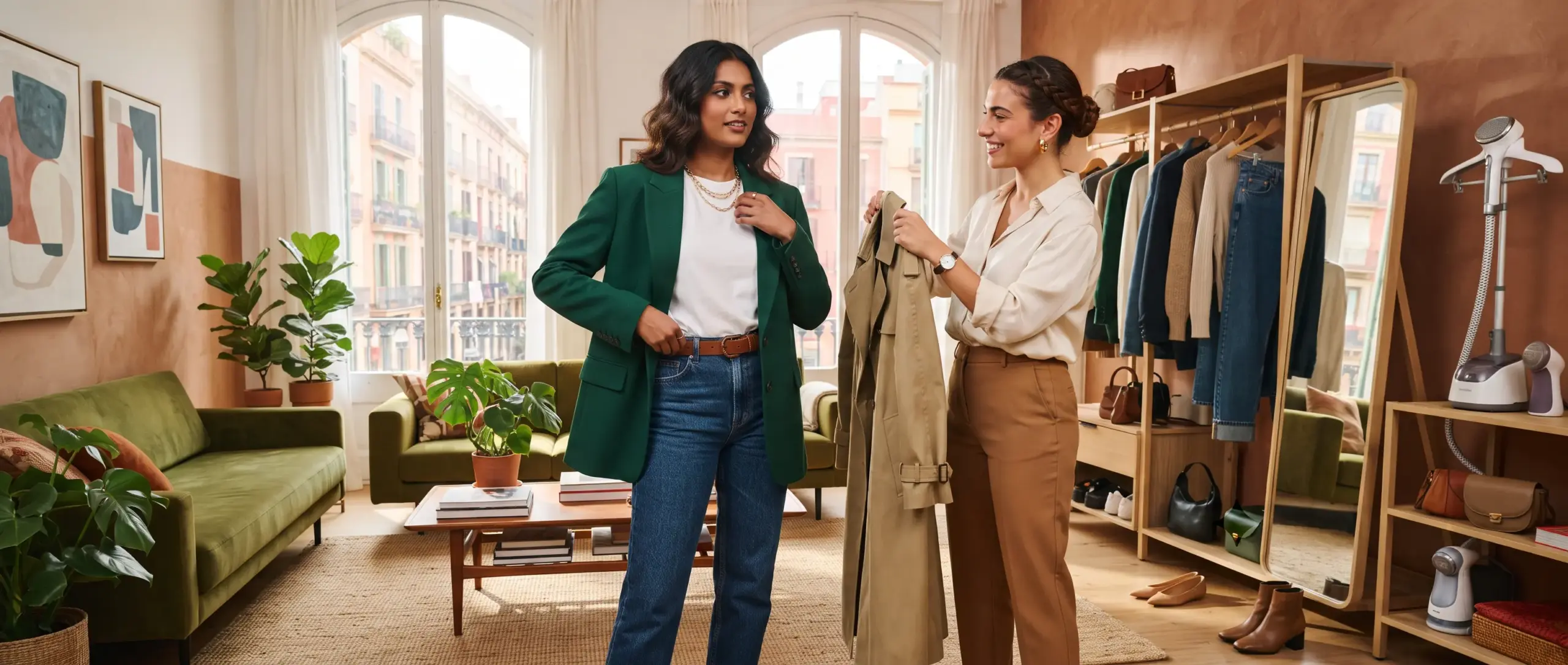 Clothes for a More Polished Look
2. Master Tone-on-Tone and Monochromatic Dressing
One of the easiest ways to create polished outfits from simple garments is to wear similar shades together. Learning how to match colors in clothing can help you create more balanced and intentional outfit combinations. Monochromatic or tonal dressing creates an elongated, sleek line that feels intentional and high-fashion.
Learn more about monochrome outfit styling and how variations of a single color can create a cohesive look.
How to Style Monochromatic Outfits
Monochromatic dressing doesn’t mean you have to wear bright red from head to toe; neutral tones work best for basic outfit ideas.
- All-Black Classic: Pairing a black crewneck sweater with black tailored trousers and black leather loafers is a foolproof combination. Mix textures—such as matte cotton, structured leather, and soft wool—to keep the outfit visually interesting.
- Cream and Warm Neutrals: Combining an off-white silk blouse with cream denim and a beige trench coat creates a bright, chic aesthetic that feels luxurious.
- Shades of Grey or Navy: Layering medium grey with dark charcoal provides subtle contrast while keeping the overall palette harmonized.
The Three-Color Rule
If monochrome feels too restricted, stick to the three-color rule. Limit your entire outfit—including shoes and bags—to three complementary shades. Stick primarily to elevated neutrals such as navy, camel, olive, cream, white, grey, and black. A camel coat over a white tee and dark denim, finished with brown leather shoes, creates an instantly harmonious appearance.
3. Elevate Casual Basics with the “Third Piece” Rule
A standard styling concept used by fashion editors is the “Third Piece” rule. When you wear a top and a bottom, you have a functional two-piece outfit. To make it a stylish outfit, you add a third element that ties the look together.
Essential Third-Piece Options
1. The Tailored Blazer
A structured blazer is the ultimate tool for refining casual fashion. Throwing a sharp blazer over a basic white t-shirt and jeans instantly raises the level of formality. Choose an oversized or straight-cut blazer with defined shoulders for a modern silhouette.
2. The Classic Trench Coat or Longline Duster
Outerwear doesn’t just keep you warm; it defines your frame. A long trench coat worn open creates long vertical lines, adding movement and polish to simple leggings or straight-leg trousers.
3. Structured Knitwear
Instead of putting on a casual hoodie, drape an extra fine-gauge sweater over your shoulders, tying the sleeves loosely in front. This preppy detail adds texture, depth, and deliberate styling to a simple dress or shirt.
4. Use Accessories to Define and Anchor Your Look
Accessories are the bridge between a collection of individual garments and a complete, well-thought-out outfit. When styling basic clothes, accessories do heavy lifting.
Choose Hardware and Jewelry Thoughtfully
When wearing simple clothes, your jewelry takes center stage. Rather than wearing multiple busy pieces, opt for clean, classic accents:
- Gold Hoops or Studs: Medium-sized gold or silver hoop earrings add immediate polish to a plain crewneck.
- A Sleek Watch: A structured metal or leather-strap watch signals attentiveness and timeless elegance.
- Layered Chains: Two thin gold chains over a plain crewneck t-shirt add dimension without overwhelming the neckline.
Secure the Waist with a Leather Belt
An unbelted pair of trousers or denim can sometimes look incomplete. A high-quality leather belt with a simple metal buckle grounds your outfit and emphasizes your waistline. Match the color of your belt to your shoes for a clean, pulled-together effect.
Upgrade Your Footwear
Footwear sets the tone for your entire ensemble. You can wear the exact same t-shirt and jeans, but your choice of shoes will determine whether you look lounge-ready or refined.
- Swap Canvas Sneakers for Leather: Clean, minimal leather sneakers offer a modern, clean line compared to canvas alternatives.
- Incorporate Loafers or Pointed Flats: Pointed-toe shoes naturally elongate the leg and feel more formal than round-toe casual shoes.
- Heeled Ankle Boots: A low block-heel boot adds structure and a slight height boost that improves posture and pant drape.
5. Practical Formula: Styling Everyday Wardrobe Basics
To help you put these principles into action, let’s break down four specific wardrobe staples and explore how to style them for maximum impact.
Formula 1: The Plain White T-Shirt
The white tee is the quintessential everyday staple, but it can easily look underspaced if not balanced properly.
This approach connects closely with the idea of a capsule wardrobe, where versatile pieces are selected to create multiple outfits. Learn more about the capsule wardrobe concept and how it focuses on interchangeable clothing choices.
- Casual Approach: A heavy-cotton white tee tucked into high-waisted, dark-wash straight jeans. Add a brown leather belt, gold hoop earrings, and leather loafers.
- Polished Approach: Layer the tee under a structured black or charcoal blazer. Pair with wide-leg tailored trousers, pointed-toe flats, and a structured tote bag.
Formula 2: Straight-Leg Blue Jeans
Denim is inherently casual, but choosing a clean wash without distressing makes it infinitely more versatile.
- Avoid: Distressed, overly bleached, or sagging denim when aim for a refined look.
- The Upgrade: Pair medium-to-dark blue jeans with an crisp tucked-in button-down shirt. Unbutton the top two buttons, roll the cuffs once or twice for an effortless feel, and complete the look with a sleek belt and ankle boots.
Formula 3: The Black Crewneck or Turtleneck
A black long-sleeve knit is one of the most flattering and sophisticated pieces anyone can own.
- Styling Tip: Pair a slim-fit black turtleneck with mid-tone grey trousers. Add a minimalist pendant necklace over the knit, slide into sleek black leather mules, and finish with a structured handbag. The contrast between grey and black feels crisp and architectural.
Formula 4: The Crisp White Button-Down
A button-down shirt can easily look corporate if styled traditionally, but simple adjustments change its character entirely.
- The Tuck Strategy: Try a “French Tuck” (tucking only the front middle section while letting the back hang naturally) or a full tuck into high-waisted bottoms to define your silhouette.
- Sleeve Rolling: Instead of neatly folding the cuffs up, pull the cuff up your forearm and fold the excess fabric over once. This creates an artfully relaxed yet clean appearance.
6. Proportions, Tuck Techniques, and Silhouettes
Styling is as much about geometry as it is about color and texture. Creating visual balance keeps simple outfits from feeling visual flat.
The Rule of Thirds
In fashion design, dividing the body into a 1/3 to 2/3 ratio creates a visually pleasing proportion, whereas a 1/2 to 1/2 ratio can make you look boxy.
- How to achieve it: Tucking your shirt into high-waisted trousers creates a short torso (1/3) and long legs (2/3). Leaving a long t-shirt untucked over mid-rise pants cuts the body directly in half, making you appear shorter and less put-together.
Balancing Volume
When styling basic clothes, balance loose pieces with fitted ones:
- If you wear wide-leg trousers, pair them with a fitted top or a tucked-in shirt to highlight your waist.
- If you wear an oversized sweater, choose slim-fit or straight-leg bottoms to anchor the volume.
7. The Unsung Details: Grooming and Intentionality
Finally, looking polished goes beyond the garments themselves. Personal grooming and how you carry yourself act as the final framing for your outfit.
- Hair and Makeup: Simple, low-maintenance hair (like a slicked-back low bun or clean soft waves) and fresh, natural makeup signal that your look is deliberate.
- Structured Bags Over Floppy Totes: Swap slouchy, unshaped bags for handbags with clear structure, crisp seams, and clean lines. A structured bag holds its shape even when placed on a table, maintaining the sleek visual aesthetic of your outfit.
- Confidence: The ultimate finishing touch to any polished outfit is wearing it with ease. When your clothes fit well, feel comfortable, and align with your personal style, confidence follows naturally.
Summary Checklist for Everyday Styling
To quickly review before stepping out the door, run through this quick checklist:
- Is the fit right? (Check sleeve lengths, pant hems, and shoulder seams.)
- Are the garments prepped? (No wrinkles, lint, or fabric pills.)
- Is there a clear color story? (Stick to neutrals or the 3-color rule.)
- Did you add a third piece? (A blazer, trench coat, or layered knit.)
- Are accessories intentional? (A leather belt, structured shoes, and clean jewelry.)
- Are proportions balanced? (Use the Rule of Thirds via tucking or waist definition.)
Building a sophisticated wardrobe isn’t about buying into every transient fashion trend. Choosing versatile, long-lasting clothing also aligns with sustainable fashion principles explored by organizations such as the Ellen MacArthur Foundation fashion initiative. By mastering these foundational styling techniques, you can rely on simple, high-quality wardrobe basics to craft chic, versatile, and polished outfits day after day.
Frequently Asked Questions
What are the best ways to elevate a simple t-shirt and jeans outfit?
Tucking a well-fitted basic tee into tailored denim is one of the easiest ways to master how to style basic clothes. You can instantly transform simple outfits by adding structured layers, such as a sharp blazer or a lightweight trench coat. Incorporating classic accessories like a sleek leather belt, understated jewelry, and a structured handbag adds immediate sophistication. Swap your casual canvas sneakers for pointed-toe flats, classic loafers, or polished ankle boots to elevate the aesthetic. Paying attention to these small details allows you to turn everyday styling into a chic, intentional fashion statement.
How can I use footwear to make casual fashion look more polished?
Footwear plays a crucial role in transforming casual fashion from simple to sophisticated. When working with minimalist wardrobe basics, swapping casual shoes for leather loafers, pointed-toe heels, or sleek ankle boots creates an instantly elevated silhouette. Refined shoes create a continuous line that elongates your body and gives your outfit an intentional finish. Even clean, minimal white leather sneakers can work exceptionally well when paired with tailored trousers. By making deliberate shoe choices, you can easily create polished outfits without sacrificing comfort throughout your day.
What role does tailoring play when learning how to style basic clothes?
Tailoring is often the secret weapon when learning how to style basic clothes for a high-end look. Even the most affordable wardrobe basics will look custom and expensive if they fit your body perfectly. Taking simple garments to a tailor to hem long trousers, shorten sleeves, or nip in a waist dramatically improves your overall silhouette. Proper fit ensures that your clothing hangs beautifully and flatters your proportions without pulling or sagging. Combining great tailoring with creative basic outfit ideas guarantees that your personal style remains sharp, comfortable, and beautifully put-together every day.

Related Posts
how to style a t-shirt Every wardrobe has one item
capsule wardrobe for everyday wear Standing in front of a
neutral colors for outfits Standing in front of a closet
how to match colors in clothes Standing in front of
 WhatsApp
 Messenger
 Phone
Phone