
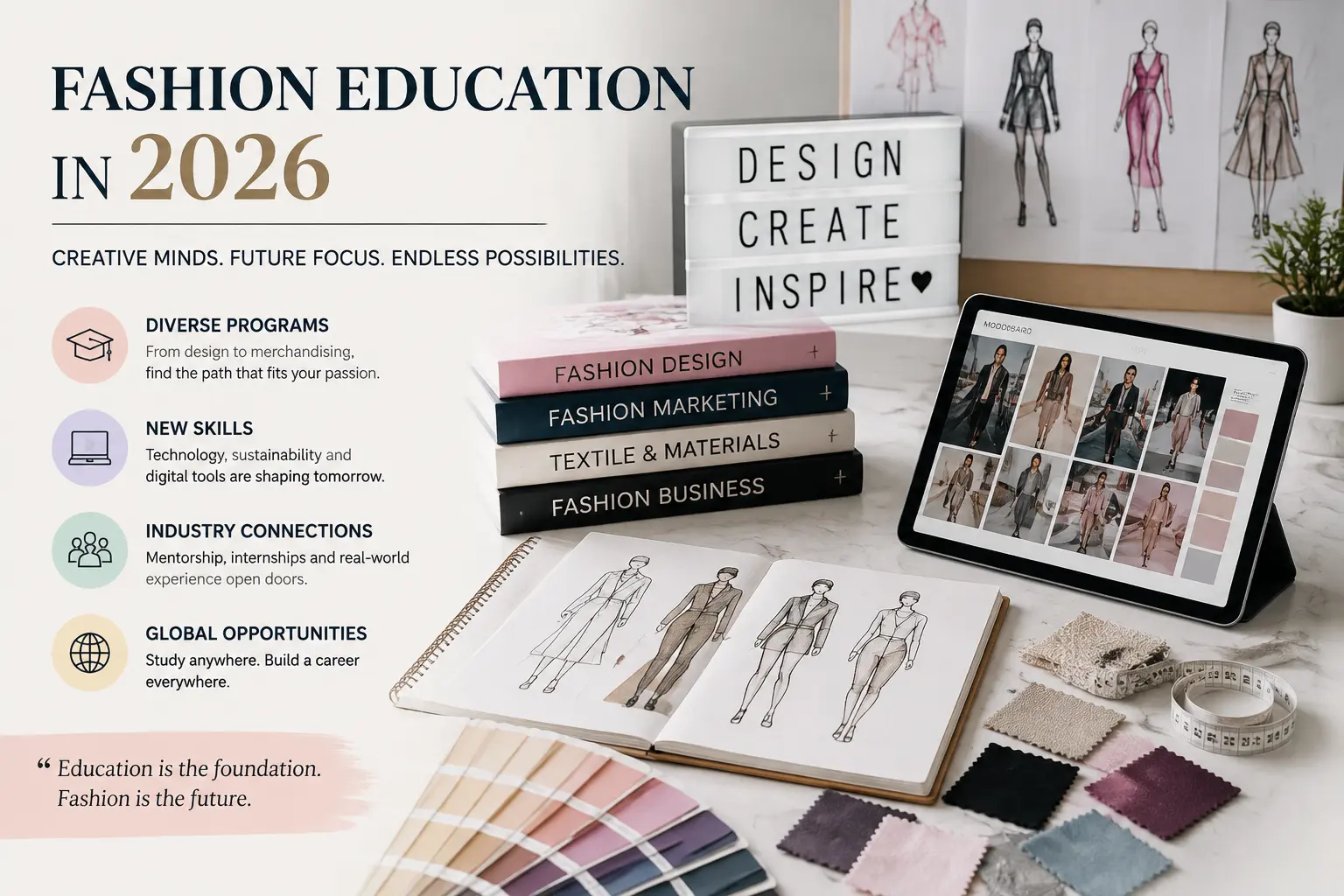
Pursuing a degree in fashion requires navigating a rapidly transforming academic and industrial landscape. From creative garment design to strategic merchandising and editorial styling, prospective students face a growing spectrum of educational choices. The state of fashion education in 2026 reflects a diverse directory of programs across art schools, major research universities, technical colleges, and community institutions, as educators and applicants adapt to structural shifts in technology, media, and the broader fashion economy.
For students and entrepreneurs entering the fashion industry, understanding digital retail, consumer behavior, and brand development is increasingly important. Modern platforms such as Pupar Mall demonstrate how fashion businesses are adapting to online commerce and changing customer expectations.
Mapping the Educational Landscape
The search for a fashion program encompasses a broad network of institutions across the United States and abroad. Rather than focusing solely on traditional art and design academies, today’s academic pathways include a wide range of learning environments.
Students exploring fashion education can review established resources such as the Fashion Institute of Technology (FIT) academic programs to understand how specialized fashion education combines creativity, technology, and business knowledge.
Key institutional avenues include:
- Art and Design Institutes: Specialized schools centered on artistic immersion and studio-based technical training.
- Major Universities and HBCUs: Larger academic campuses and Historically Black Colleges and Universities offering structured fashion programs alongside broader liberal arts and business curricula.
- Community and Technical Colleges: Practical, skills-focused institutions providing accessible entries into garment production, technical design, and retail operations.
Across these institutions, specialized majors span fundamental design disciplines, fashion merchandising, styling, and technical development, offering tailored options for varying career paths within the industry.
Students interested in fashion careers can also explore topics related to fashion industry trends and how digital transformation is influencing modern retail.
Algorithms, Economics, and Shifting Career Goals
Beyond institutional directory listings, key industry challenges are actively reshaping the student experience. Contemporary fashion journalism and academic studies highlight critical topics shaping prospective applicants and current students today.
- Designing for the Algorithm: Educators and students are evaluating whether contemporary coursework encourages fundamental creative experimentation or leans toward trends optimized for digital media platforms and algorithmic reach.
- Evolving Career Ambitions: Amid ongoing corporate restructuring and macroeconomic changes across retail, fashion students are reassessing their long-term professional aspirations and exploring non-traditional roles.
- The True Cost of Attendance: Beyond baseline tuition, students face significant expenses related to specialized design materials, studio fees, portfolio development, and living costs in major fashion capitals.
- Adapting Fashion Journalism: Media educators are continuously revising journalism and communications curricula to prepare students for an ever-changing media landscape dominated by multi-platform publishing.
The increasing influence of technology, social media, and digital marketing has changed how fashion brands communicate with audiences. Reports such as the McKinsey State of Fashion report highlight how innovation, sustainability, and consumer expectations continue shaping the global fashion industry.
Institutional Leadership and Student Milestones
The trajectory of modern fashion education is also shaped by institutional stewardship and national talent pipelines. Longstanding leadership, highlighted by Dr. Joyce Brown’s 26-year tenure at the Fashion Institute of Technology (FIT) spent uplifting incoming generations of designers, underscores the key role that academic leadership plays in sustaining talent development.
Academic institutions continue supporting emerging designers through scholarships, mentorship, and industry partnerships. Programs such as the Fashion Scholarship Fund provide financial assistance and career development opportunities for talented fashion students.
For ambitious students, national initiatives such as the Fashion Scholarship Fund provide vital mentorship and financial backing, with insights from finalists demonstrating the high level of strategic and creative rigor required to succeed in competitive industry grants.
Understanding these benchmark opportunities—alongside realistic expectations for the first year of fashion school—helps prospective talent build a sustainable approach to their academic journeys.
The Outlook for Aspiring Talent
As the fashion ecosystem continues to evolve, fashion education in 2026 bridges creative tradition with structural reality. Prospective professionals must evaluate not only creative coursework, but also financial commitments, technological influences, and changing media environments to make informed decisions about their education and future careers in fashion.
The future of fashion will increasingly depend on professionals who can combine creativity with digital skills, business understanding, and consumer-focused thinking. For fashion entrepreneurs and online retailers, understanding online shopping behavior and customer experience strategies can provide valuable industry insights.

Related Posts

New York City–based celebrity and editorial stylist Natasha Colvin is
 WhatsApp
 Messenger
 Phone
Phone