
The global fashion landscape is navigating a turbulent mix of digital marketing disputes, regulatory crackdowns, strategic acquisitions, and high-profile runway callbacks. From legal scrutiny in the lucrative affiliate tech market to significant fines in fast fashion and fresh investments in beauty, today’s major developments highlight how commercial pressures and brand heritage continue to shape the industry.
For businesses entering the fashion e-commerce space, understanding customer behavior, online selling practices, and brand development strategies is essential. Platforms like Pupar Mall demonstrate how modern fashion retailers are building digital shopping experiences for today’s consumers.
ShopMy Faces Allegations Over Affiliate Commission Practices
Influencer marketing platform ShopMy, recently valued at $1.5 billion, is under fire regarding its commission attribution practices. Academic and digital marketing researcher Ben Edelman has accused the platform of pressuring retail merchants to favor ShopMy links while voiding payouts previously owed to competing affiliate networks.
Affiliate marketing continues to grow as a major sales channel for online retailers. Businesses using influencer partnerships should also understand transparency requirements and disclosure standards outlined by organizations such as the Federal Trade Commission (FTC) influencer marketing guidelines.
This reported strategy marks a clear departure from the fashion e-commerce sector’s standard last-click attribution model. While ShopMy has not yet publicly commented on the claims, the dispute emphasizes the intensifying rivalry within the $210 billion affiliate marketing sector, where tech platforms are competing aggressively for revenue attribution on individual consumer sales.
Boohoo Fined $2.7 Million in France Over Deceptive Discounts
British fast-fashion group Boohoo has been hit with a €2.3 million ($2.7 million) fine by France’s consumer protection watchdog for deceptive commercial practices. Following a detailed review of the retailer’s promotions, regulatory authorities revealed that 48 percent of the advertised discounts were actually price increases in disguise, while an additional 40 percent did not represent genuine savings. Regulators also cited the retailer for incorrectly labeling synthetic garments as real “leather” or “suede.”
For online fashion stores, maintaining accurate product descriptions, transparent pricing, and reliable customer service is important for building long-term trust. Retailers can learn more about responsible online shopping practices through resources such as online shopping guides.
Consumer protection regulations continue to become stricter worldwide, with organizations such as the European Commission consumer protection framework focusing on fair commercial practices.
In response to the ruling, Boohoo stated that the violations occurred under previous management and that the underlying operational issues have since been resolved. The French penalty follows a similar legal challenge four years ago, when the retailer agreed to a $100 million settlement in the United States over misleading pricing claims.
Marquee Brands Acquires Roots; Dolce Glow Secures Series A Funding
Mergers, acquisitions, and venture investments remain active across the lifestyle and beauty sectors. Brand management firm Marquee Brands has finalized an agreement to purchase Canadian heritage brand Roots Corporation in an all-cash deal valued at C$4.10 per share. The transaction received unanimous support from the board and is expected to close in the fourth quarter of 2026.
To execute the turn-around and brand strategy, Marquee is partnering with JM&A Design and Development as the core operating partner. JM&A Creative Director Joseph Mimran emphasized plans to lean into Roots’ deep connection to Canadian culture while modernizing its retail footprint.
The fashion industry continues to experience major shifts in consumer preferences, digital commerce, and sustainability expectations. Reports such as the McKinsey State of Fashion report highlight how brands are adapting to changing market conditions.
Concurrently, sunless tanning brand Dolce Glow announced an $11 million Series A funding round led by Cavu Consumer Partners. The financing round included notable participation from celebrity investors Sofia Richie Grainge and Olivia Culpo. Founded in 2015 by CEO Isabel Alysa, the sunless tanning company plans to use the capital to accelerate retail expansion across current stockists like Sephora and Ulta Beauty, alongside funding new product development.
Demna Revives Gucci’s Archival G-String on the Runway
On the creative front, newly appointed Gucci Artistic Director: Demna made a major statement during his February debut in Milan by resurrecting one of the house’s most famous archival designs.
Paying homage to Tom Ford’s iconic Spring 1997 collection, Demna sent supermodel Kate Moss down the runway wearing a diamond-encrusted variation of the classic Gucci G-string thong. The provocative design choice nods to the bold, sensual aesthetic that originally defined the Italian house during the late 1990s.
Fashion brands today continue balancing heritage, creativity, and modern consumer expectations. Online retailers such as Pupar Mall also reflect how digital-first fashion businesses are adapting traditional retail concepts for online audiences.
Industry Impact
Whether navigating regulatory oversight in fast fashion, attribution disputes in affiliate tech, or vintage revivals on the catwalk, the fashion business demands constant adaptability.
As brands navigate complex market dynamics and shifting consumer expectations, maintaining financial transparency, strong brand identity, and customer trust will remain critical across every layer of the market.
For online fashion entrepreneurs, understanding logistics, delivery processes, and customer experience is equally important. Retailers can explore topics related to home delivery and courier services to improve their e-commerce operations.

Related Posts
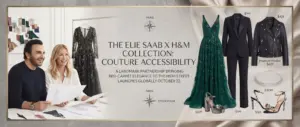
Elie Saab x H&M Collaboration Lebanese fashion house Elie Saab

ashaki Designing Heirloom Fashion Based in San Francisco, apparel brand

Victoria’s Secret Reports Q2 Sales Spike The global fashion and

The Lede Company Is Hiring a The Lede Company, a
 WhatsApp
 Messenger
 Phone
Phone