
- What Makes a Color a "Fashion Neutral"?
- The Essential Neutral Colors Every Wardrobe Needs
- How to Style Neutral Outfits Without Looking Plain
- Building a Capsule Wardrobe with Neutral Colors
- Seasonal Transitions with Neutral Outfits
- How to Find Your Ideal Personal Neutral Palette
- Practical Care Tips for Maintaining Neutral Clothes
- Final Thoughts: Building Style Confidence with Neutrals
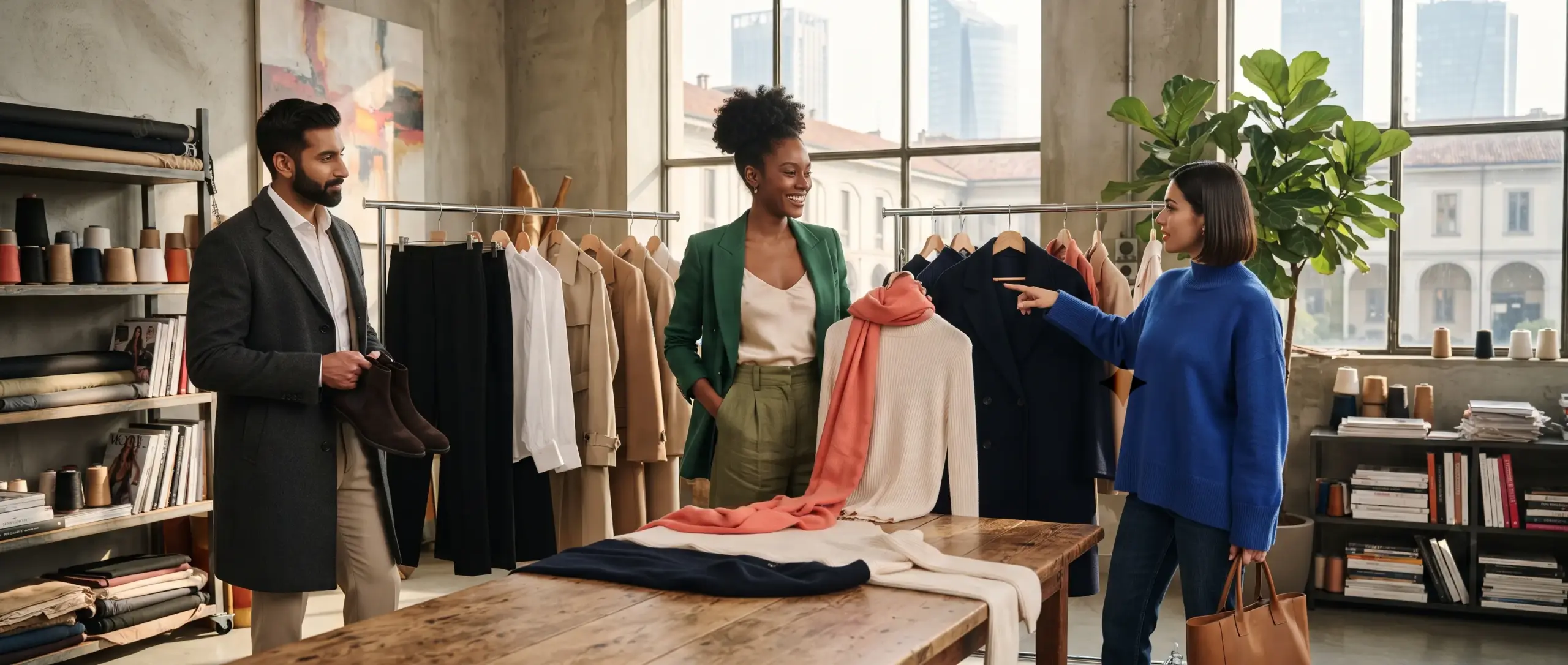 neutral colors for outfits
Standing in front of a closet packed with clothing while feeling like you have absolutely nothing to wear is a frustratingly common experience. More often than not, the issue isn’t a lack of clothes—it is a lack of cohesive wardrobe colors that naturally work together. When every garment in your closet demands a specific pairing, getting dressed becomes a daily puzzle rather than a quick, enjoyable process.
This is where building a strategy around neutral colors for outfits changes everything. Learning how to match colors in clothing can help you create balanced combinations and make better use of every piece in your wardrobe.
Neutral tones act as the quiet anchors of personal style. They tone down bold statement pieces, blend seamlessly into sophisticated monochromatic looks, and dramatically reduce morning decision fatigue. Whether your personal aesthetic leans toward crisp minimalist fashion or cozy, layered comfort, mastering neutral shades unlocks hundreds of easy outfit combinations using fewer items.
Here is an in-depth guide to the best neutral colors, why they work so effectively, and practical ways to style them for every season.
What Makes a Color a “Fashion Neutral”?
In classic color theory, true neutrals are shades that lack strong color undertones, such as black, white, grey, and brown. However, in modern fashion, a neutral is defined less by strict physics and more by practical versatility.
A fashion neutral is any color that serves as a blank canvas. It pairs effortlessly with almost every other color in your closet without clashing or overwhelming the eyes. Understanding basic color theory principles can help explain why certain shades naturally create balanced and visually appealing combinations. Beyond the classic monochrome spectrum, warmth-infused shades like camel, cream, navy, olive, and taupe function as essential foundation colors.
The Psychology and Practical Benefits of Neutral Tones
- Maximum Reusability: Items like a tailored camel blazer or sleek black trousers can be worn multiple times a week styled in entirely different ways without appearing repetitive.
- Simplified Coordination: Neutrals significantly lower the visual “noise” of an ensemble, making it virtually impossible to make a color mismatch error.
- Timeless Appeal: While seasonal color trends fluctuate rapidly, neutral outfits remain chic and relevant decade after decade.
- Elevated Visual Value: High-quality fabrics in neutral tones often look far more expensive and refined than hyper-saturated prints or neon shades. Understanding how different fibers and textiles behave can help shoppers make better clothing choices. The Textile School fabric and textile resources provide detailed information about materials, fibers, and textile production.
The Essential Neutral Colors Every Wardrobe Needs
Building an adaptable closet doesn’t mean restricting yourself to a plain gray slate. Choosing the right materials is equally important, especially when creating comfortable everyday outfits with versatile colors. Learn more about the best fabrics for Bangladesh weather to understand which textiles work best for different seasons.
1. Crisp White and Soft Off-White
Few items match the instant refreshing power of white outfits. White acts as a natural spotlight—it brightens your complexions, creates clean contrast, and brings an air of polished intentionality to simple ensembles.
- Crisp Pure White: Ideal for sharp button-down shirts, structured linen trousers, and classic graphic tees. Pure white provides high contrast against dark denim or tailored black clothes.
- Soft Off-White, Cream, and Ivory: These warmer iterations of white feel softer against the skin and add a touch of quiet luxury. A cream cable-knit sweater paired with warm tan trousers creates an inviting, high-end autumn aesthetic.
Styling Tip: Mix varying tones of white and cream within a single outfit. Pairing a crisp white tee under an cream cardigan adds instant visual depth without introducing distracting colors.
2. Deep, Classic Black
No neutral palette is complete without black clothes. Black brings immediate structure, grounding power, and timeless elegance to any wardrobe. It visually streamlines silhouettes and easily transitions from casual morning errands to formal evening wear.
- Anchor Pieces: A high-quality black blazer, well-fitted black jeans, an understated black slip dress, and leather ankle boots are essential foundational items.
- Balancing Dark Tones: While an all-black ensemble is naturally sleek, you can break up the intensity by pairing black pieces with rich textures like wool, ribbed cotton, leather, or suede.
3. Rich Beige, Camel, and Soft Tan
If black provides structure, beige clothing provides warmth and effortless polish. Tones ranging from pale sandy beige to deep golden camel add instant sophistication to daily looks.
- The Trench Coat Standard: A classic camel trench coat is perhaps the ultimate example of a functional neutral outerwear piece. It immediately elevates a basic combination of blue jeans and a plain tee.
- Tonal Warmth: Warm sand and taupe tones soften stark contrasts, making them perfect bridge colors when transitioning between light tops and dark bottoms.
4. Sophisticated Navy Blue
Often called “the soft black,” navy blue offers all the slimming, grounding benefits of dark tones with a slightly warmer, more approachable vibe.
Navy excels in tailored workwear, dark-wash denim, outerwear, and knitwear. It pairs naturally with white, tan, burgundy, and even classic black (a modern styling pairing that feels incredibly chic when textured properly).
5. Versatile Grey: From Light Heather to Charcoal
Grey is the master mediator of wardrobe colors. Because grey is created by mixing black and white, it occupies the middle ground, bridging high-contrast pieces smoothly.
- Light Heather Grey: Brings a relaxed, casual energy perfect for everyday t-shirts, cozy knitwear, and athleisure pieces.
- Charcoal Grey: Delivers rich, moody depth that serves as a sophisticated alternative to solid black for suits, wool coats, and tailored trousers.
6. Earthy Olive and Khaki (The Modern Neutrals)
While technically grounded in green, muted olive and khaki act as natural, low-saturation neutrals in practical fashion. Inspired by classic utility jackets and military-style outerwear, olive pairs shockingly well with white, cream, black, navy, camel, and rust.
How to Style Neutral Outfits Without Looking Plain
The primary criticism of minimalist fashion is that neutral ensembles can occasionally feel plain or uninspired. However, effortless style comes down to dynamic styling techniques rather than relying on bright colors.
Here is how fashion editors keep neutral outfits engaging and stylish:
Master the Art of Texture Play
When color contrast is kept low, tactile contrast must step up. Mixing dynamic, contrasting fabric textures gives an all-neutral outfit life and dimension.
Try combining these contrasting textures:
- A chunky, cable-knit beige wool sweater paired with a fluid, shiny silk slip skirt.
- A structured, matte black leather jacket layered over a soft, brushed cotton white t-shirt.
- Fine linen pants in off-white combined with a raw, woven straw tote and smooth leather slide sandals.
Embrace Monochromatic Layering
Monochromatic dressing—wearing different tones and shades of a single color family—is one of the fastest shortcuts to looking instantly put together.
To pull off a seamless monochromatic neutral look:
- Choose your base family (e.g., warm earthy tans or cool greys).
- Mix three distinct shades (e.g., dark chocolate trousers, a medium tan sweater, and a soft beige scarf).
- Vary the fits: pair relaxed, flowy bottoms with a tailored knit top to maintain proportions.
Focus on Silhouette and Tailoring
When you remove loud patterns and intense shades, the overall shape and fit of your clothes take center stage.
Play with modern proportions to create interest. Balance an oversized camel blazer with sleek, fitted trousers, or pair wide-leg off-white linen pants with a neat, form-fitting black turtleneck. Intentional silhouettes turn basic wardrobe colors into a clear fashion statement.
Add Subtle Accents and Metallics
Neutral outfits provide the perfect backdrop for thoughtful accessories. Small touches can completely change the character of your look:
- Gold and Silver Jewelry: Warm neutrals like beige, cream, and camel shine alongside chunky gold hoops and layered necklaces. Cool neutrals like grey, stark white, and navy look striking with polished sterling silver.
- Statement Footwear: Accent an all-black or beige outfit with snake-print ankle boots, rich cognac leather loafers, or clean retro white sneakers.
- Rich Leather Goods: A structured handbag in deep espresso brown or warm saddle leather anchors soft, pale outfits seamlessly.
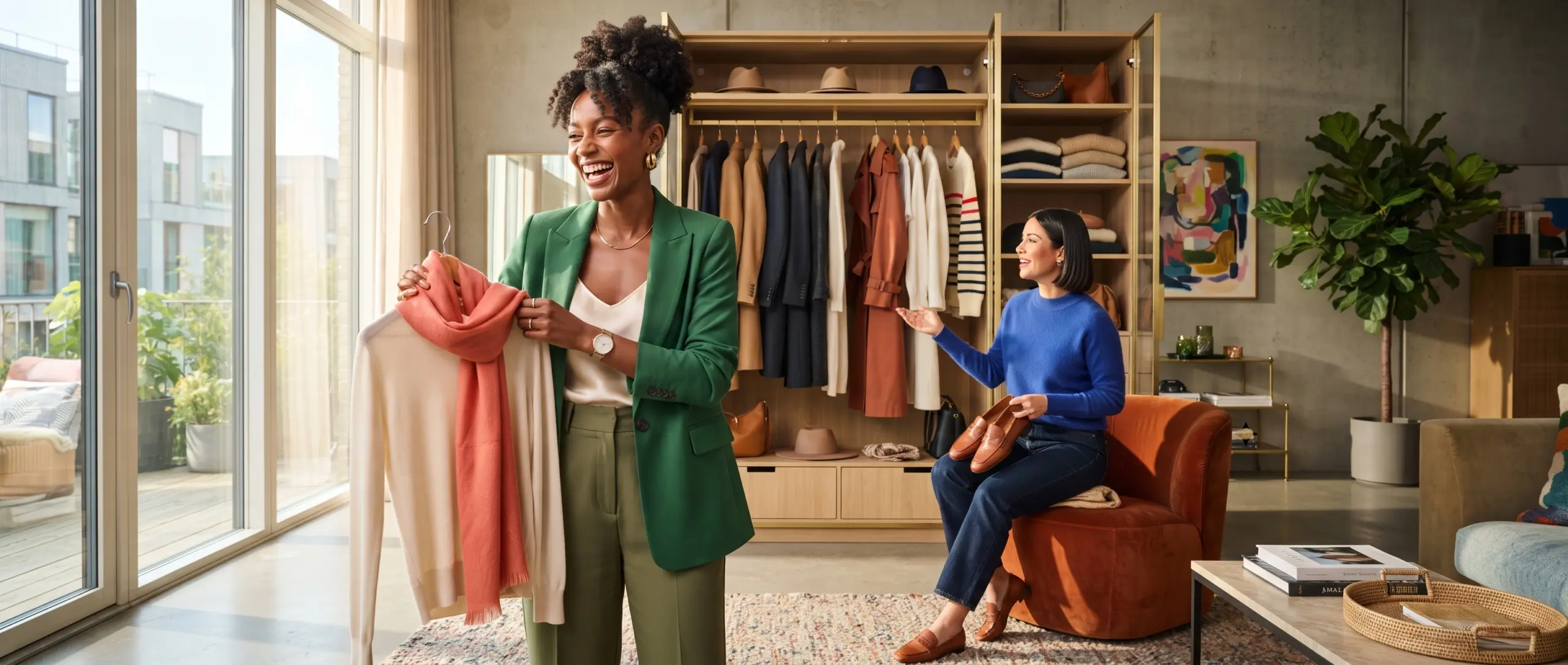 Colors That Make Everyday Outfits Easier
Building a Capsule Wardrobe with Neutral Colors
If you want to streamline your morning routine, Creating a core capsule wardrobe centered around neutral tones is the most reliable strategy. The concept of owning fewer but more versatile pieces is also discussed through minimalist wardrobe approaches such as Project 333, which focuses on intentional clothing choices. You can also explore ideas on creating more outfits from the clothes you already own to maximize your existing wardrobe. Below is a foundational checklist of versatile pieces that interlock effortlessly:
Core Upper Layers
- The Perfect White Tee: Crewneck or V-neck in soft, opaque cotton.
- The Cream/Off-White Knit: A mid-weight sweater for layering across seasons.
- The Structured Black Blazer: Slightly oversized for a modern silhouette.
- The Tailored Button-Down: In crisp white or soft sky blue/navy.
Core Bottom Layers
- Tailored Wide-Leg Trousers: In beige, camel, or charcoal grey.
- Dark-Wash or Black Denim: High-waisted straight-leg cut for ultimate versatility.
- A Midi Slip Skirt: In champagne, taupe, or black silk/satin.
Essential Outerwear
- A Classic Camel Trench Coat: Rain-resistant and elevated for spring and autumn.
- A Wool Tailored Overcoat: In dark charcoal, navy, or rich camel for winter.
Versatile Footwear
- Clean White Leather Sneakers: Casual yet polished for daily wear.
- Black Ankle Boots: Leather or suede with a comfortable block heel.
- Nude or Tan Flats/Loafers: Sophisticated options for work or smart-casual outings.
Seasonal Transitions with Neutral Outfits
One of the greatest qualities of neutral colors for outfits is their adaptability across all four seasons. Instead of buying a completely new wardrobe every few months, simply adjust your fabrics and color proportions as temperatures shift.
SPRING/SUMMER: Crisp Whites, Warm Sand, Soft Ivory, Linen & Lightweight Cotton
FALL/WINTER: Rich Camel, Charcoal, Deep Black, Espresso Brown, Wool & Leather
Spring and Summer Adjustments
Focus on light, breathable natural fibers in bright, light-reflecting neutrals.
- Combine high-waisted white outfits with airy tan linen button-down shirts.
- Layer a lightweight oat-colored cardigan over a simple white sun-dress for cool summer evenings.
- Swap heavy black leather bags for natural woven raffia or light beige canvas totes.
Autumn and Winter Adjustments
Shift toward heavier, insulating textiles in deeper, warmer tone variations.
- Layer a dark charcoal wool coat over a rich camel sweater paired with dark blue or black denim.
- Combine head-to-toe black clothes with a heavy cognac leather tote and rich wool scarves.
- Incorporate deep brown and rich chocolate tones to add warm seasonal depth to soft beige clothing.
How to Find Your Ideal Personal Neutral Palette
While all neutrals are versatile, certain shades will naturally illuminate your face better than others based on skin undertones.
- Warm Undertones (Golden, Peach, or Olive skin tones): Look best in warm-leaning neutrals like cream, camel, rich chocolate, warm sand, olive, and warm ivory.
- Cool Undertones (Pink, Red, or Bluish skin tones): Flattered most by cool-leaning neutrals like crisp pure white, slate grey, charcoal, deep navy, and cool black.
- Neutral Undertones: Can comfortably mix and match warm and cool neutrals across the board.
If you love a neutral color that isn’t naturally flattering right next to your face (for example, crisp white on a very muted, warm complexion), simply wear that color on your lower half as trousers or a skirt, or layer a flattering warm scarf around your neckline.
Practical Care Tips for Maintaining Neutral Clothes
Neutral clothing looks best when it appears immaculate, sharp, and fresh. Following proper clothing care methods to make garments last longer helps protect colors, fabrics, and overall garment quality. Faded blacks or dingy whites instantly ruin the refined appeal of minimalist fashion.
- Protect Your Whites: Always wash white and off-white garments separately from colored clothing. Use oxygen-based brighteners rather than harsh chlorine bleach, which can yellow synthetic fibers over time.
- Prevent Black Clothes From Fading: Wash dark clothes inside out in cold water using a specialized liquid detergent formulated for dark fabrics. Air-dry dark garments out of direct sunlight to prevent solar bleaching.
- Pilling Maintenance on Knits: Invest in a gentle fabric shaver or sweater comb to regularly remove pills from camel, beige, and grey wool knits.
- Care for Leather and Suede: Treat tan and black leather boots and handbags with a quality protective weatherproofing spray before wearing them outdoors.
Final Thoughts: Building Style Confidence with Neutrals
Developing effortless style doesn’t require filling your closet with endless trendy prints or fleeting color crazes. Building a thoughtful wardrobe also connects with sustainable fashion practices, where organizations like the Ellen MacArthur Foundation fashion initiative explore ways the industry can reduce waste and move toward a circular fashion system. By mastering the strategic use of neutral colors for outfits, you lay down a reliable aesthetic foundation that makes getting dressed simple, fast, and creative.
Start by auditing your current closet. Take inventory of the white outfits, black clothes, and beige clothing you already own. Focus on mixing textures, playing with shapes, and refining your fit. Over time, you will find that a carefully selected palette of versatile neutrals gives you far more outfit choices—with significantly less clutter and daily effort.

Related Posts
how to style a t-shirt Every wardrobe has one item

capsule wardrobe for everyday wear Standing in front of a

how to style basic clothes Most people believe that looking
how to match colors in clothes Standing in front of
 WhatsApp
 Messenger
 Phone
Phone