
Start an F-Commerce Business in 2026: The Ultimate No-Website Guide
The digital storefront has undergone a massive evolution over the last few years. E-commerce no longer requires a massive upfront investment in custom websites, complex coding, or expensive monthly software subscriptions. Today, social commerce—specifically Facebook Commerce, or F-Commerce—reigns supreme as the fastest, most accessible path to entrepreneurship. If you want to tap into this booming ecosystem, learning how to start an F-commerce business in 2026 is your best blueprint for financial independence.
If you want to launch a brand, test a product line, or turn a passion project into a profitable stream of income, the barrier to entry has never been lower. You do not need a fully functional website to build a six-figure retail empire. With just a smartphone, a clear strategy, and a dedicated social page, you can reach thousands of highly targeted buyers directly in their feeds.
This comprehensive guide will show you exactly how to start an F-commerce business in 2026 completely from scratch. We will break down the mechanics of operating solely on social media, share highly profitable low-capital business concepts, and explore how to construct an unforgettable brand identity that commands consumer trust.
Why This Topic Matters
The global retail landscape has fundamentally shifted toward community-driven, direct-to-consumer sales channels. In 2026, social platforms are no longer just places to discover products; they are the actual marketplaces where complete transactions occur natively. For a new entrepreneur, understanding how to harness this shift is the difference between immediate market traction and getting lost in the digital noise. This is precisely why thousands of merchants are choosing to start an F-commerce business in 2026 instead of wasting capital on complex setups.
Traditional e-commerce platforms often require significant overhead costs, including web development, hosting fees, plugin maintenance, and specialized SEO optimization. For an entrepreneur starting with limited capital, these technical barriers can drain vital resources before the first product even ships. Bypassing these hurdles is easy when you launch an F-commerce business in 2026 by leveraging an infrastructure that billions of users already use daily.
Furthermore, consumer behavior today favors friction-free shopping and personalized human interaction. When a customer buys from an F-Commerce brand, they are not interacting with an impersonal checkout script. They are engaging via direct messages, participating in live video sales, and buying into an authentic community. Building a social media business without website dependencies allows you to humanize your brand instantly, creating deep customer loyalty that massive corporate websites struggle to replicate.
Main Guide / Complete Solutions
Step-by-Step Blueprint to Launch Your Facebook Page Business in 2026
Launching a successful business page requires moving far beyond basic page setup. Your business page is your flagship digital showroom, and it must be meticulously optimized to turn casual scrollers into paying customers. The modern Meta ecosystem rewards pages that are complete, highly engaging, and perfectly integrated with automated communication tools. Anyone planning to start an F-commerce business in 2026 must prioritize these configurations first.
First, your page configuration must project instant authority. Choose a clear, searchable page name that clearly states what you sell, combined with your unique brand name. Utilize the latest Meta Business Suite optimization features to fill out every available field, including your exact operating hours, location details, and a direct link to your WhatsApp Business account. To scale up effectively, learn more about organizing your back-end operational platform in our complete How to Start an Online Business in Bangladesh: A-Z Guide.
[Optimized Profile Picture: Minimalist Logo]
       │
       ├───► [Cover Photo: High-Definition Product Showcase + Core Value Proposition]
       │
       └───► [Action Button: "Send Message" or "Chat on WhatsApp"]
Next, configure your automated messaging infrastructure right inside Meta Business Suite. In 2026, buyers expect instant gratification; a delayed response to a product inquiry often means a lost sale. Setting up advanced instant replies and custom automated FAQs is a core skill needed to run a successful F-commerce business in 2026 without letting leads go cold.
How to Run a Successful Social Media Business Without a Website
Operating an online store without a traditional website requires a highly organized system for inventory management, order tracking, and payment processing. Without a digital shopping cart, your direct messages (DMs) serve as your checkout counter. You must establish a highly streamlined operational pipeline to successfully manage an F-commerce business in 2026 and prevent orders from slipping through the cracks.
Customer views Content (Reels/Live) ──► Inquires in DM/WhatsApp ──► Automated FAQ handles Initial Info ──► Manual Order Confirmation & Digital Payment ──► Local Courier DispatchTo manage your orders seamlessly, build a standardized order template that you send to every customer once they express an intent to buy. This template should cleanly gather all critical information in a single message:
- Full Name
- Delivery Address (with specific landmarks)
- Primary and Alternative Phone Numbers
- Product Specifics (Size, Color, Quantity)
- Preferred Payment Method
For order tracking and backend management, use cloud-based spreadsheets like Google Sheets or integrated mobile CRM apps to log every transaction the moment payment is verified. Partner with reliable, tech-enabled local courier services that feature robust delivery APIs. To figure out the right delivery infrastructure for shipping your orders safely across the country, check out our tested industry breakdown of the Best Home Delivery Courier Services in Bangladesh.
5 Profitable Low-Capital Online Business Ideas
Choosing the right product line is a massive factor in how quickly your F-Commerce venture becomes profitable. Focus on high-margin, visually appealing items that spark immediate engagement on social feeds. Here are five exceptionally lucrative, low capital online business ideas perfectly suited for those ready to start an F-commerce business in 2026:
- 1. Curated Athleisure & Casual Apparel: Casual clothing, premium t-shirts, and everyday loungewear are absolute powerhouses on social media. You can source high-quality clothing lines from local garment manufacturing hubs or wholesale markets with minimal upfront costs. Visually showcase the fit, fabric quality, and comfort through short-form video reels to drive massive organic reach.
- 2. Premium Men’s Essential Wear: Highly essential everyday garments—such as multi-pack men’s boxer briefs, undershirts, and high-quality socks—enjoy incredibly consistent year-round demand. By packaging these daily essentials into attractive, value-driven 3-piece or 5-piece bundles, you increase your average order value significantly while keeping marketing costs low.
- 3. Handcrafted Home Decor & Organizers: Beautifully designed local handicrafts, minimalist desk organizers, and functional home goods carry high perceived value. Consumers are highly willing to buy unique, non-branded lifestyle items directly through social videos when they see them styled beautifully in real-life settings.
- 4. Niche Cosmetics & Skincare Solutions: Curating specialized organic beauty products, targeted skincare sets, or wellness items allows you to solve specific customer pain points. Focus deeply on transformation content, showing clear before-and-after demonstrations and educational video clips to build rapid consumer trust.
- 5. Custom Print-on-Demand & Personalized Merchandise: Partnering with local printing houses to offer custom graphic hoodies, statement t-shirts, or personalized accessories keeps your inventory risk at absolute zero. You only produce the physical item after the customer places the order and pays through your page.
Building a Strong Online Brand Identity and Logo
To command premium prices and protect your business from cutthroat price competition, you must build online brand identity foundations that feel highly professional from day one. A generic page with random product photos looks sketchy; a unified brand presence looks undeniable. Your visual identity tells customers that your new F-commerce business in 2026 is a legitimate, trustworthy operation.
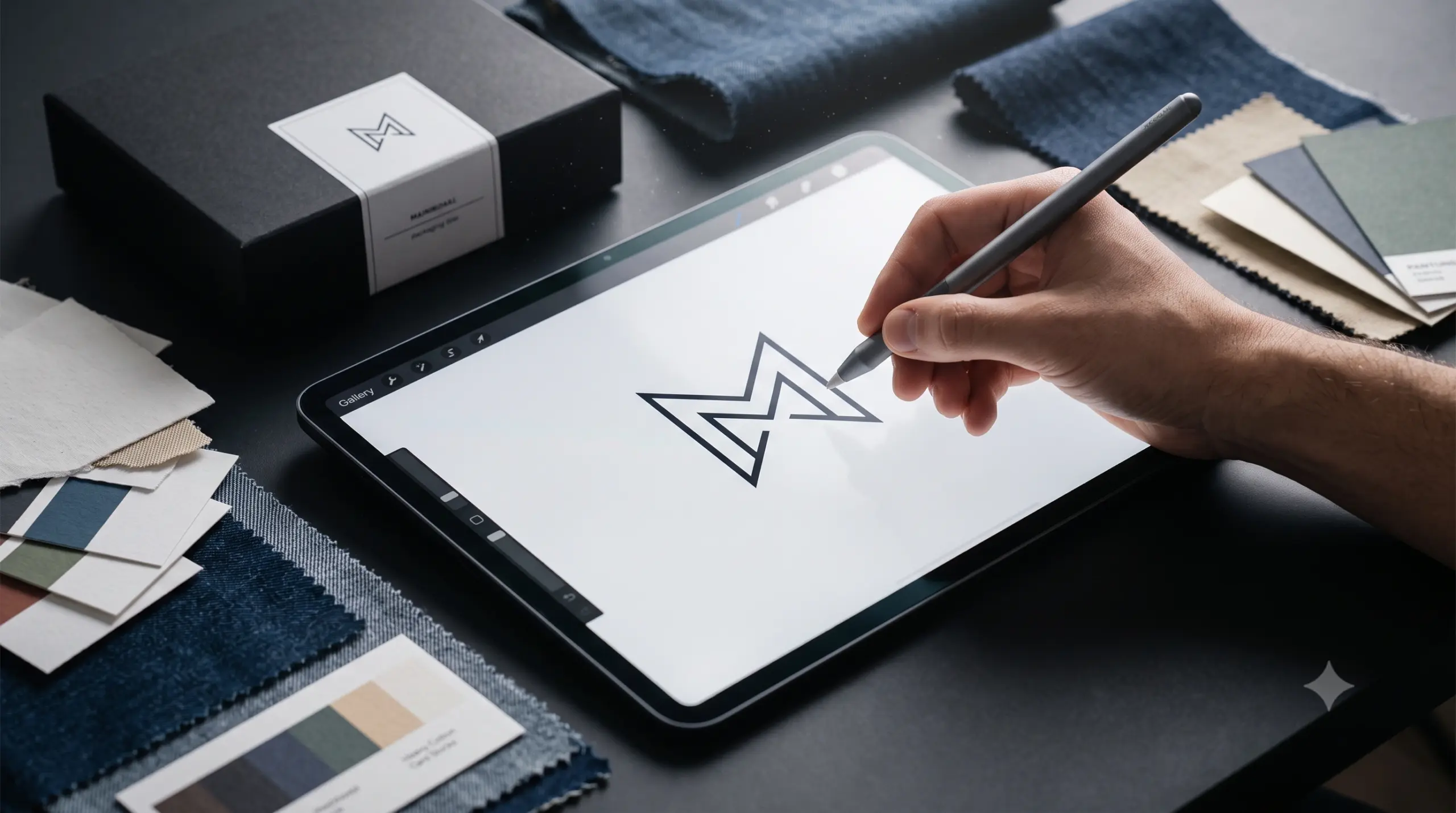
Start by choosing a cohesive color palette of 2 to 3 primary colors that reflect the core mood of your products. For apparel or lifestyle goods, earthy tones, sleek monochromes, or deep premium blues work exceptionally well. Maintain absolute consistency with this color scheme across all of your product photography, video backdrops, text overlays, and delivery packaging materials.
[Brand Identity Foundation]
   ├── Color Palette (2-3 consistent tones)
   ├── Typography (1 clean header font, 1 highly readable body font)
   └── Scalable Logo System (Logomark for profiles, Wordmark for packaging)
Your logo design needs to be clean, modern, and highly adaptable. Avoid overly complex, intricate illustrations that turn into an unreadable blur when viewed as a tiny circular profile picture on a smartphone screen. Opt for a strong typographic wordmark or a bold, minimalist logomark that scales perfectly from a tiny social icon up to a large sticker on your shipping boxes. For additional tips on protecting your creative design properties from competitors, check out our guide on Responsible Online Shopping in Bangladesh: A Smart Guide.
Best Practices
To ensure long-term sustainability and steady growth for your F-Commerce store, implement these battle-tested industry practices from day one:
- Implement a High-Frequency Short-Form Video Strategy: The organic algorithms heavily favor video content over static images. Produce consistent daily Reels highlighting product features, behind-the-scenes packing montages, and styling tutorials.
- Maintain Absolute Pricing Transparency: Avoid hidden details or forcing customers to “inbox for price.” Displaying your prices clearly in the post description filters out non-serious inquiries and drives highly qualified buyers straight to your DMs ready to check out.
- Prioritize Community Engagement Over Raw Advertising: Respond directly to every single comment on your posts within minutes. Cultivating an active, conversational comment section signals to the platform’s algorithm that your content is highly valuable, naturally boosting your organic reach.
- Capture Professional-Grade Content with Real Models: Avoid using generic, low-quality stock photos or stolen manufacturer images. Invest in high-definition lifestyle photography featuring local models wearing your products in natural environments to build immediate credibility.
- Secure Reliable Cash-On-Delivery (COD) Partnerships: In many developing social commerce markets, cash-on-delivery remains a massive trust driver. Align your business with courier services that offer fast, reliable COD remittance cycles so your cash flow stays liquid and healthy. To help manage complex backend logistics or deal with high parcel return ratios, read our strategy playbook: E-Commerce Logistics Guide: Overcoming Delivery Complexities.
Pro Tips
To help you gain an advantage over your competition, implement these advanced strategies used by top-tier social commerce brands:
Expert Tip on Meta Algorithm Mastery: Do not just boost your posts using the basic front-end button. Always utilize the backend Meta Ads Manager to construct tailored lookalike audiences based on users who have sent a message to your page or spent time watching your video Reels over the last 90 days. For official optimization documentation and ad strategy updates, consult the official Meta Business Help Center.
Expert Tip on Hyper-Local Influencer Campaigns: Partner with micro-influencers who have small but fiercely loyal followings (between 5,000 to 20,000 followers) within your specific target city. Send them free product packages in exchange for raw, unedited unboxing videos and honest reviews; these authentic formats convert at a significantly higher rate than heavily polished celebrity endorsements.
Expert Tip on Building VIP Broadcast Channels: Use Instagram and Facebook Messenger Broadcast Channels to aggregate your previous buyers into an exclusive VIP club. Give these repeat customers first-access notifications to limited product drops and exclusive discounts before you post them publicly to your main feed.
Frequently Asked Questions (FAQ)
Q1: Is it truly possible to run a profitable online business without owning a website?
Ans: Yes, absolutely. By combining a highly optimized Facebook Page with a dedicated WhatsApp Business account, you can handle marketing, customer consultation, order acquisition, and payment verification seamlessly. A website is a fantastic tool for scaling later on, but it is not a requirement to launch and generate significant profits.
Q2: How much initial capital do I need to start an F-commerce business in 2026?
Ans: The startup capital requirements are incredibly low. Because you do not have website development or recurring platform subscription fees, your capital is spent entirely on your initial inventory run and a small targeted advertising budget. This makes it highly secure to start an F-commerce business in 2026 with very accessible personal budgets.
Q3: How do I handle product exchanges and customer returns efficiently over social media?
Ans: Establish a crystal-clear, transparent return and exchange policy written out in your page’s pinned post and note sections. Partner with a reliable courier service that offers reverse-logistics or return-pickup services. Make sure to process legitimate exchanges quickly, as turning a bad delivery experience into a seamless customer service win creates lifelong brand advocates.
Q4: What is the most effective way to build customer trust when you are completely new?
Ans: Focus heavily on transparent communication and authentic video content. Show your face on camera, document your behind-the-scenes packing processes, capture high-quality live videos showing real product materials, and encourage your very first customers to leave detailed text and video reviews on your page in exchange for future loyalty rewards.
Q5: How can I protect my brand’s unique logo and identity from being copied?
Ans: As soon as your brand starts gaining consistent sales traction, officially register your business name and file for a trademark on your logo design with your local government commerce ministry. Additionally, ensure all your product photography features a subtle, elegant watermark of your brand icon placed cleanly within the frame to deter content theft by competing pages.
Q6: Which payment methods should I accept to maximize my conversion rates?
Ans: Offer an integrated mix of popular local mobile financial services (MFS) along with a reliable Cash-on-Delivery (COD) option. Giving your customers the freedom to pay using their preferred local mobile wallets or check the physical parcel before handing over cash removes almost all purchase anxiety.
Conclusion
Learning how to start an F-commerce business in 2026 is one of the smartest, most cost-effective paths to financial independence. By eliminating the technical complexities and heavy financial overhead of traditional web development, you can focus your entire energy on what truly drives revenue: sourcing exceptional products, telling compelling visual stories, and building an authentic, highly engaged community.
Success in social commerce does not go to those with the deepest pockets; it goes to the entrepreneurs who are the most consistent, responsive, and deeply committed to providing an exceptional customer experience. Select your initial niche, build a clean and authoritative brand aesthetic, leverage the power of short-form video, and launch your business page today.
What is the biggest challenge holding you back from launching your online clothing or product brand this year? Let us know in the comments below, and let’s map out your strategy together!

Related Posts

How to Start an Online Fashion Business Safely Starting an

How to Start an Online Business in Bangladesh: A-Z Guide
E-commerce Lifeline: Overcoming Delivery & Logistics Complexities In today’s digital
 WhatsApp
 Messenger
 Phone
Phone