
- Essential Preparation and Tools
- The Core Principles of Accurate Measurement
- Step-by-Step Guide to Upper Body Measurements
- Step-by-Step Guide to Lower Body Measurements
- Full-Body Measurements for One-Piece Garments
- How to Read and Interpret Online Size Charts
- Tailoring Measurements for Specific Clothing Types
- Creating and Maintaining Your Personal Measurement Log
- Frequently Asked Questions
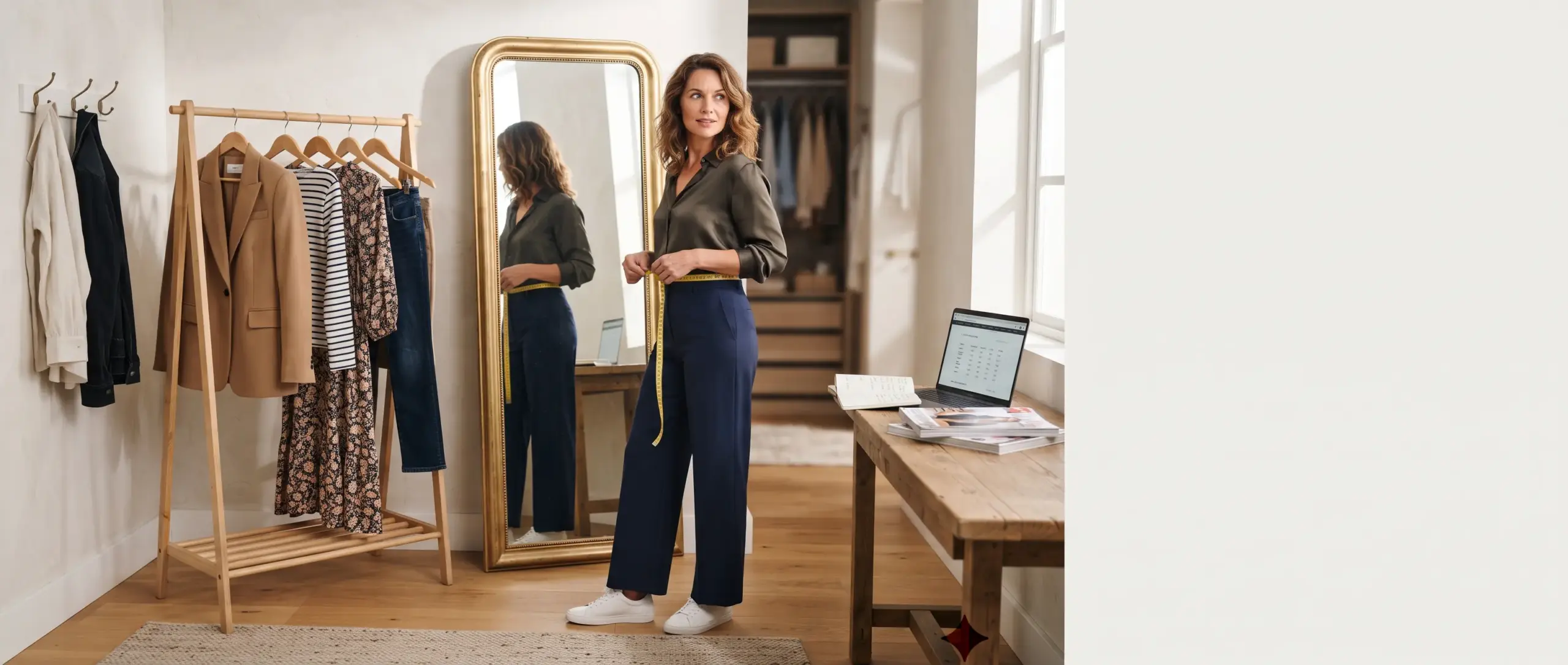 Measure Yourself
There is nothing quite like the thrill of ordering new clothes online, followed shortly by the disappointment of opening a package only to realize the garment does not fit. A pair of jeans might refuse to button at the waist, or a tailored dress might pull awkwardly across the shoulders.
Clothing tag numbers are notoriously inconsistent. A size 8 in one brand might feel like a size 4 in another, while international conversions often feel like guesswork. Brand sizing varies dramatically due to target demographics, country of origin, and design intent.
Learning how to measure for clothes online removes this guesswork completely. When you rely on precise body measurements rather than arbitrary tag sizes, online shopping becomes a reliable, satisfying experience. Accurate measurements also help you build a better collection of wardrobe essentials that fit your personal style and lifestyle. Armed with a simple tape measure and a clear understanding of your proportions, you can read size charts confidently and choose clothes that fit comfortably every time.
Essential Preparation and Tools
Before taking any measurements, gathering the right tools and setting up your space ensures accuracy. Trying to estimate sizes with rigid household tools or improper tape leads to inaccurate figures and ill-fitting garments.
Soft Flexible Measuring Tape
A flexible vinyl or tailor’s measuring tape is essential. Avoid metal construction measuring tapes, as they do not contour to the natural curves of the human body and will give inaccurate dimensions. Look for a fiberglass or vinyl tape that does not stretch over time.
A Full-Length Mirror
Positioning yourself in front of a mirror allows you to check whether the tape remains level across your back and sides. A twisted or sagging tape measure can skew readings by several inches.
Notepad or Smartphone App
Write down your numbers immediately as you measure. Trying to remember multiple figures leads to mistakes when matching your proportions to an online size chart.
Suitable Base Garments
Take measurements while wearing minimal, close-fitting clothing. Standard undergarments, a fitted sports bra, or lightweight leggings work best. Padded bras, thick outerwear, or heavy denim will add artificial bulk and skew your true dimensions.
The Core Principles of Accurate Measurement
Taking precise body measurements requires careful attention to posture and tape positioning. Following these fundamental principles helps ensure consistent results every time you measure yourself.
- Maintain a natural posture. Stand upright, feet together, breathing normally. Sucking in your stomach, puffing out your chest, or locking your knees alters your body shape, leading to uncomfortable clothes that feel tight when sitting or moving.
- Keep the tape level. The tape measure should sit flat against your body and stay completely parallel to the floor for horizontal measurements. Use your mirror to double-check that the tape isn’t sagging in the back.
- Apply gentle tension. The tape should fit snugly against your skin without digging in or squeezing. A good rule of thumb is the “one-finger rule”: you should be able to comfortably slip one finger beneath the tape measure without stretching it out.
- Double-check every number. Take each measurement twice to verify accuracy. If the two numbers differ significantly, take a third measurement to confirm the correct figure.
Step-by-Step Guide to Upper Body Measurements
For additional technical guidance on apparel sizing and measurement practices, you can refer to professional textile and clothing measurement resources from ISO clothing and apparel standards.
Upper body garments like blouses, blazers, coats, and fitted dresses require accurate shoulder, chest, and arm measurements to ensure comfortable movement without pulling across the seams.
Bust or Chest
Wrap the tape around the fullest part of your chest, running it beneath your armpits and across your shoulder blades in the back. Keep your arms relaxed at your sides if possible, or lower them as soon as the tape is in place. Ensure the tape stays horizontal across your back rather than slanting downward.
Underbust
For bra sizing, structured corsets, or empire-waist garments, measure directly beneath the bust along the upper ribcage. Pull the tape snug against the skin, ensuring it sits in a straight, even line all the way around your torso.
Shoulder Width
Measuring shoulder width accurately is easier with a friend’s help, but you can do it solo in front of a mirror. Measure across the upper back from the tip of one shoulder bone (the acromion process) straight across to the opposite shoulder bone. This measurement is vital for tailored jackets, coats, and non-stretch button-down shirts.
Sleeve Length
Place one hand on your hip so your arm is slightly bent at a 90-degree angle. Measure starting from the center back of your neck (or the outer shoulder bone, depending on the brand’s guide), leading down over the point of the elbow, down to the prominent wrist bone. Bending the arm ensures that long-sleeved shirts won’t feel too short when you reach or bend your arms.
Neck Circumference
For collared dress shirts or high-neck apparel, wrap the tape around the base of your neck where a shirt collar naturally rests. Place one finger between the tape and your skin to ensure the collar will feel comfortable rather than restrictive when fully buttoned.
Step-by-Step Guide to Lower Body Measurements
Finding pants, skirts, and shorts that fit well requires careful measuring around the natural waist, hips, and leg length.
Natural Waist
Your natural waist is the narrowest part of your torso, located between your ribcage and belly button. To locate it easily, bend sideways to one side—the crease that forms is your natural waistline. Stand upright again and wrap the tape around this point, keeping it level and snug without pinching.
High Waist or Lower Waist (Garment Waistline)
Many modern pants, such as mid-rise or low-rise jeans, sit below your natural waistline. Measure around your body at the specific height where you prefer your waistband to rest—typically 1 to 3 inches below your natural waist for mid-rise, or across the upper hip bones for low-rise garments.
Hips and Seat
Stand with your feet close together. Wrap the measuring tape around the fullest part of your hips and buttocks. This is typically located 7 to 9 inches below your natural waistline, though it varies by body structure. Ensure the tape wraps smoothly over the widest curves without pulling tight.
Inseam
The inseam measures the length along the inner leg, from the crotch down to the ankle hem. To measure this on your body, stand straight with feet hip-width apart and measure from the top of your inner thigh straight down to the bottom of your ankle bone. Alternatively, measure an existing pair of pants that fit you perfectly by laying them flat and measuring along the inner leg seam from crotch to cuff.
Thigh Circumference
Wrap the tape around the widest part of your upper leg, just below the crotch. This measurement is useful for rigid non-stretch denim, leather trousers, and fitted athletic wear to prevent restrictive leg openings.
Full-Body Measurements for One-Piece Garments
One-piece items like jumpsuits, bodysuits, rompers, and overalls require unique proportion considerations to prevent pulling or discomfort through the torso.
Torso Girth
Place the tape measure on the midpoint of one shoulder. Run it down over the fullest part of your chest, down between your legs, and back up your back to connect at the starting shoulder point. Torso girth ensures that one-piece garments offer sufficient length through the body without pulling uncomfortably at the shoulders or crotch.
Total Body Height
Stand straight against a wall without shoes. Place a flat object (like a hardcover book) flat on top of your head, touching the wall. Mark the point beneath the book light with a pencil, then measure straight down to the floor. Height helps place standard full-length dresses, jumpsuits, and petite or tall sizing categories in proper context.
How to Read and Interpret Online Size Charts
International clothing sizing can vary between regions. For general information about apparel sizing standards, you can also explore resources from ASTM textile and apparel standards.
Once you have your body measurements written down, the next step is applying them to online sizing guides. Online retailers format their sizing charts differently, so understanding how to interpret them prevents sizing mistakes.
Body Measurements vs. Garment Dimensions
Most brands provide a “Body Measurement Chart,” which outlines the recommended body proportions for each tag size. However, some brands—especially boutique retailers, vintage reproduction labels, and outerwear makers—provide “Garment Dimensions” instead.
Garment dimensions reflect the actual physical size of the flat fabric. If a jacket has a 38-inch chest garment measurement, a person with a 38-inch body chest will find it far too tight, as it leaves no room for movement or underlayers.
Understanding Wearing Ease
“Ease” is the extra space built into a garment beyond your actual body measurements to allow for comfortable movement, sitting, and breathing.
- Zero Ease or Negative Ease: Found in swimwear, activewear, and stretch fabrics. The garment dimensions are equal to or smaller than your body size because the fabric stretches to conform to your shape.
- Fitting Ease (1 to 2 inches): Typical for tailored clothing, pencil skirts, and structured blouses. This provides just enough room to comfortably move and sit without strain.
- Loose or Oversized Ease (4+ inches): Common in casual sweaters, relaxed coats, and lounge apparel.
When reviewing size charts, always consider how you want the garment to fit. If your measurements fall between two sizes on a body chart, choosing the larger size is usually best, especially for woven non-stretch fabrics.
Factoring in Fabric Composition
Always check the product details for fabric content before deciding on your size:
- Non-Stretch Woven Fabrics (100% Cotton, Linen, Silk, Rigid Denim): These materials offer no stretch. Match your largest relevant body measurement closely to the size guide, or size up if you sit between sizes.
- Stretch Fabrics (Spandex, Elastane, Knit, Jersey): These garments accommodate wider size variations. You can safely select your smaller size option if you prefer a body-hugging fit.
Tailoring Measurements for Specific Clothing Types
Different types of clothing rely heavily on specific primary measurements. Tailoring your focus based on the garment category ensures an accurate, comfortable fit.
Dresses and Suits
Choose your size based on the most structured or fitted part of the dress design:
- For an A-line or Empire dress, prioritize the bust measurement, as the skirt flares out loosely over the waist and hips.
- For a Fitted Sheath or Bodycon dress, all three core measurements (bust, waist, and hips) must align with the size chart. If your proportions span multiple sizes, choose the size that fits your largest measurement—a tailor can easily adjust the smaller sections later.
Pants and Trousers
Pay close attention to the rise of the pants (the vertical distance from the crotch seam to the top of the waistband):
- High-Rise (10–12+ inches): Rests at or near your natural waistline. Prioritize your natural waist measurement.
- Mid-Rise (8–9 inches): Sits lower, between your natural waist and hips. Measure around your torso at this mid-point.
- Low-Rise (7 inches or less): Sits low across the hip bones. Rely heavily on your low hip measurement rather than your natural waistline.
Outerwear, Blazers, and Heavy Knitwear
When buying winter coats, structured blazers, or rain jackets, account for the clothing you plan to wear underneath. If you intend to wear heavy wool sweaters or hoodies beneath a winter parka, take your measurements while wearing a sweater, or choose one size larger than your standard body measurements suggest.
Creating and Maintaining Your Personal Measurement Log
Body proportions naturally fluctuate over time due to changes in fitness, lifestyle, or age. Maintaining a digital profile on your phone makes online clothing shopping simple and accurate.
Update your core measurements every six months or whenever you notice changes in how your current clothes fit. Keep a note on your phone with the following information:
- Bust / Chest
- Underbust
- Natural Waist
- Preferred Rise Waist
- Hips (Fullest point)
- Inseam
- Shoulder Width
- Sleeve Length
Having these updated numbers handy allows you to cross-reference size charts quickly, buy clothes confidently, and eliminate the frustration of constant returns.
Taking a few extra minutes to measure yourself accurately turns online clothing shopping into a reliable, rewarding experience. This approach is also an important part of responsible online shopping, helping reduce unnecessary exchanges and returns. By focusing on true body dimensions rather than arbitrary tag sizes, you can build a versatile wardrobe filled with clothes that fit comfortably and flatter your personal style every single time.
Frequently Asked Questions
What essential tools do I need to accurately measure myself for online clothes shopping?
Getting the perfect fit starts with having the right tools on hand before you begin shopping. First, you will need a flexible fabric or soft vinyl measuring tape, as rigid metal hardware tapes will not contour properly to your body. Stand in front of a full-length mirror so you can check that the tape remains level and flat across your back. Wear form-fitting clothing or undergarments to ensure your body measurements are precise and not skewed by bulky fabrics. Finally, keep a notepad or your smartphone nearby to record your numbers immediately. Following these simple online shopping tips will make your entire fitting process effortless and accurate.
How do I accurately measure my chest, waist, and hips for clothing?
Learning how to measure for clothes online requires mastering three core areas: the chest, natural waist, and fullest part of the hips. For your chest or bust, wrap the flexible tape around the fullest part, keeping it parallel to the floor and comfortably snug. To find your natural waist, bend sideways to locate the natural crease, which is usually an inch or two above your belly button. For your hips, stand with your feet together and measure around the widest part of your buttocks. Taking accurate body measurements ensures you can easily translate your numbers into correct clothing measurements across various online retail stores.
Why do sizing charts vary so much between different online clothing brands?
Brand sizing varies significantly because manufacturers use different fit models, design standards, and pattern cuts tailored to their specific target demographics. A standard dress size in one store might feel completely different from the same labeled size in another brand due to vanity sizing or international conversion differences. This variation makes relying strictly on general tag sizes risky when shopping on the web. Instead, always consult the specific size chart provided on each product page and compare it directly to your precise clothing measurements. Checking the retailer’s dedicated measuring guide will consistently help you select the ideal option regardless of brand inconsistencies.
Should I pull the measuring tape tight or keep it loose when taking body measurements?
Maintaining the correct tension on your measuring tape is essential when learning how to measure for clothes online. The tape should lie smooth and flat against your skin or undergarments without digging in or pinching your skin. A helpful rule of thumb is that you should be able to comfortably slip one finger beneath the tape while taking body measurements. Avoid breathing in too deeply or pulling the tape excessively tight, as this will lead to purchasing garments that feel uncomfortably restrictive. Always measure while standing naturally and breathing normally to ensure your final outfit fits comfortably during everyday wear.
How do I measure my inseam and shoulder width for tops and trousers?
To measure your shoulder width accurately, extend the tape across your upper back from the outer edge of one shoulder bone to the other. For your inseam, measure along the inner leg from the top of your thigh down to your ankle bone. Because measuring your own inseam can be tricky, one of our favorite online shopping tips is to lay a well-fitting pair of pants flat on a table and measure from the crotch seam straight down to the hem. Including these specific clothing measurements in your routine will ensure your tops sit nicely across your frame and your trousers reach the perfect length.
What should I do if my body measurements fall between two different sizes on a size chart?
If your body measurements place you between two options on a size chart, your decision should depend on garment fabric and your personal fit preference. For structured, non-stretch fabrics like crisp cotton or denim, sizing up is usually the safest choice to ensure freedom of movement. Conversely, for stretchy materials like spandex or knit blends, selecting the smaller dress size often provides a sleeker, tailored silhouette. Additionally, consider how you intend to wear the garment; overcoats and sweaters usually require extra room for layering. Checking customer reviews regarding item fit can also help clarify whether to size up or down.
How often should I update my body measurements for online clothes shopping?
You should ideally update your body measurements every three to six months, or whenever you experience noticeable weight fluctuations, fitness changes, or posture shifts. Our bodies naturally change over time, and relying on outdated numbers often leads to disappointment and unnecessary returns. Taking fresh measurements before major shopping sprees or seasonal wardrobe updates guarantees high accuracy. By keeping an updated personal measuring guide, you can confidently apply best practices for how to measure for clothes online. Spending just five minutes with a tape measure saves significant time, money, and hassle in the long run.

Related Posts
clothing size when shopping online Online fashion shopping offers unmatched

Best Home Delivery Courier Services in Bangladesh (2026 Guide) The

Responsible Online Shopping in Bangladesh Online fashion shopping has become
 WhatsApp
 Messenger
 Phone
Phone