
- 1. Start with a Closet Audit and Reset
- 2. Embrace the Capsule Wardrobe Mindset
- 3. Master the Art of Layering and Proportion
- 4. Explore Styling Tricks and Tucking Techniques
- 5. Leverage Accessories to Shift the Vibe
- 6. The "One Item, Five Ways" Practical Exercise
- 7. Build a Personal Digital Lookbook
- 8. Care for Your Clothes to Keep Them Wearable
- Frequently Asked Questions
- Final Thoughts
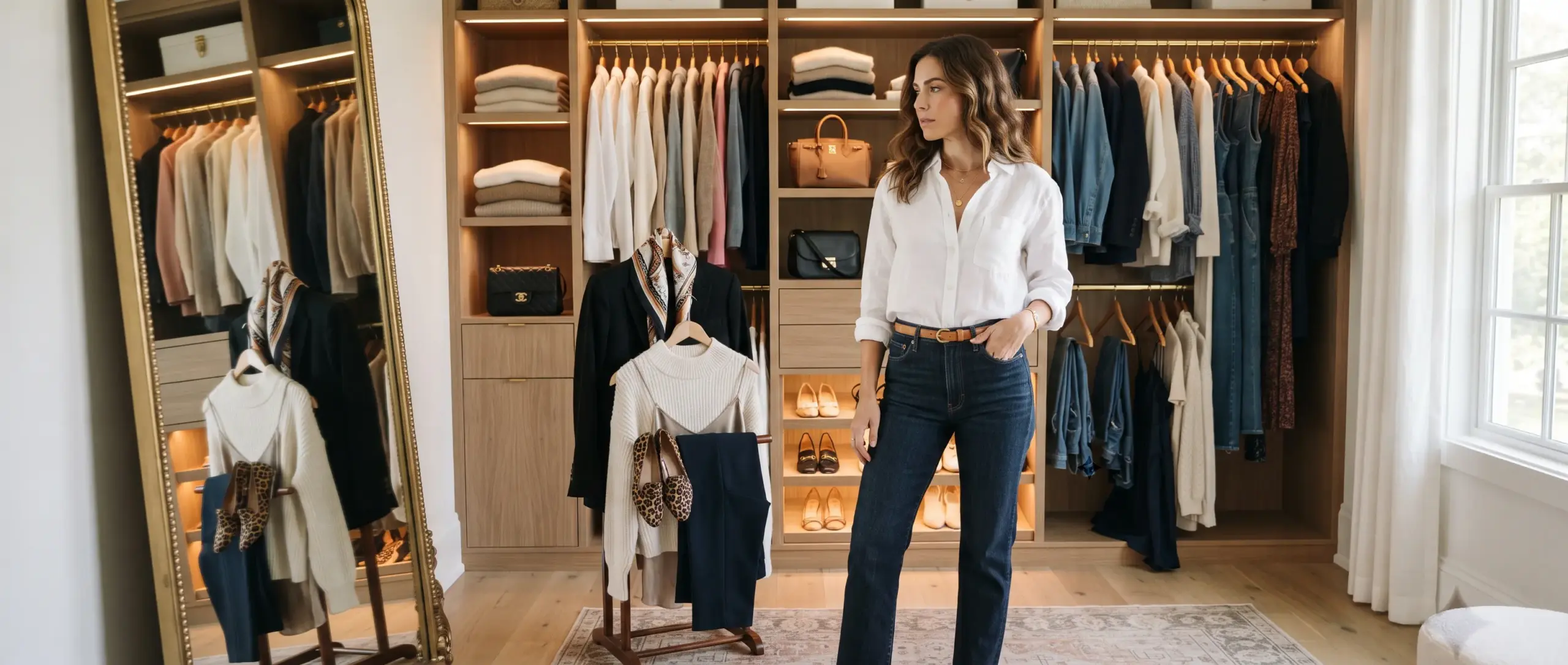
create more outfits
Stand in front of your closet on any given morning, and you might experience a familiar sensation: a rack packed tightly with clothing, yet a lingering feeling that you have absolutely nothing to wear. It is one of the most common paradoxes of modern life. We buy new pieces to solve the problem, only to find ourselves reaching for the exact same two or three comfortable combinations week after week.
The secret to a versatile, exciting wardrobe does not lie in buying more clothes. It lies in learning how to look at what you already own through a fresh, creative lens. By mastering a few simple wardrobe styling techniques, you can easily double or triple the number of looks in your daily rotation without spending a single dollar.
Transforming your closet into an inspiring workshop takes a bit of strategy, a dash of experimentation, and a willingness to break a few outdated fashion rules. Here is your comprehensive guide to breathing new life into your closet and learning how to create more outfits from the clothes you already own.
1. Start with a Closet Audit and Reset
Before you can build fresh outfit combinations, you need to know exactly what you are working with. Over time, closets tend to accumulate clutter, making hidden gems disappear into the background.
Clear the Canvas
Set aside an hour to go through
your clothes
.
You do not necessarily need to perform a radical purge, but you do need visibility. Pull out items that have been buried at the back of shelves or squished between heavy coats.
Group your items by category:
- Tops (tees, blouses, button-downs, knits)
- Bottoms (jeans, trousers, skirts, shorts)
- Layering pieces (cardigans, blazers, jackets)
- One-piece items (dresses, jumpsuits)
Identify Your Anchor Pieces
As you sort, take note of your dependable foundation items. These are your anchor pieces—the classic, neutral-toned items that fit well and go with almost everything. Think of a well-tailored blazer, a crisp button-down shirt, dark-wash denim, or a simple black slip dress. Recognizing these anchors is essential because they serve as the glue holding your various outfit ideas together.
Hang Everything Intentionally
Organize your closet so that everything is visible. When items are hidden in deep drawers or stacked haphazardly, you naturally forget they exist. Grouping items by type and color makes visual mixing and matching significantly easier during busy mornings.
2. Embrace the Capsule Wardrobe Mindset
You do not need to restrict yourself to a strict 30-piece capsule wardrobe to benefit from its core philosophy. The heart of the capsule concept is intentionality: choosing items that naturally complement one another.
For a deeper understanding of creating a simplified wardrobe system, you can explore this educational guide on
capsule wardrobes and intentional dressing
.
[ Core Tops ] [ Versatile Bottoms ]
Build Around a Cohesive Color Palette
One reason people struggle to mix and match clothes is color mismatch. If half your closet consists of warm earth tones and the other half consists of cool neons, blending them can feel tricky.
Try identifying a core palette of three main colors (such as navy, cream, and olive) alongside two accent shades (like soft pink or mustard). When your garments share complementary undertones, almost any top will pair effortlessly with almost any bottom.
The “Rule of Three” Test
Moving forward, adopt the rule of three for every garment in your closet. Choose a single item—say, a patterned midi skirt—and challenge yourself to pair it with at least three different tops you already own. If a shirt only works with one specific pair of pants, it creates a visual dead end in your closet. When every piece works with three others, your potential outfit combinations multiply exponentially.
3. Master the Art of Layering and Proportion
Layering is single-handedly the most effective way to change the personality of a piece of clothing. By altering proportions and adding texture, a single garment can serve multiple styling functions throughout the year.
Understanding how different fabrics behave and how garments are constructed can also help you make better styling choices. The
basics of fashion design and garment structure
can provide useful background for experimenting with proportions and silhouettes.
Rethink Dresses as Tops and Skirts
Dresses are often viewed as single, standalone outfits, but they are far more versatile than that:
- Turn a dress into a skirt: Slip a chunky sweater or a tailored crewneck over a dress. Belt the sweater at your waist and tuck the hem upward into the belt to create a cozy knit top paired with a flowing skirt.
- Turn a dress into a top: Wear a fitted dress under a pair of wide-leg trousers or a structured skirt, letting the dress function as a sleek bodysuit.
- Use shirt dresses as outerwear: Unbutton a collared shirt dress completely and wear it open over a tank top and jeans as a lightweight summer duster.
Play with Unexpected Proportions
If an outfit feels boring, the issue is often a lack of structural contrast. Combine contrasting silhouettes to create visual interest:
- Pair an oversized, bulky knit sweater with sleek, fitted trousers or a straight-leg jean.
- Match a slim, body-skimming turtleneck with voluminous wide-leg pants or an A-line skirt.
- Wear a boxy, masculine blazer over a soft, delicate slip dress to balance structure with fluid motion.
4. Explore Styling Tricks and Tucking Techniques
Small adjustments in how you physically wear your garments can completely transform their look. Instead of letting clothes hang naturally every time, experiment with practical styling hacks.
For additional guidance on clothing fit, proportions, and creating balanced outfits, the
Fashion Revolution educational resources
offer insights into understanding clothing choices and sustainable fashion practices.
Tucking Techniques
Full Tuck | French Tuck | Cross Tuck
(Sleek) (Casual) (Wrapped)
The Power of the Tuck
How you tuck your shirt alters your body line and changes the vibe of your look:
- The French Tuck (Half Tuck): Tuck just the front center of your top into your waistband while letting the back hang loose. This creates definition at the waist while keeping the look relaxed.
- The Full Tuck: Tuck your top tightly into high-waisted bottoms to create a clean, polished, and retro-inspired silhouette.
- The Cross Tuck: For cardigans or loose button-downs, cross the left side into the right side of your pants (and vice versa) for a wrapped, draped appearance.
Cuffing and Rolling
Never underestimate the impact of exposing a bit of skin at the wrists or ankles:
- Sleeve rolling: Roll the sleeves of a structured button-down up to your elbows to instantly tone down its formality.
- Ankle cuffs: Cuff the bottom of your jeans once or twice to reveal your ankle or show off a pair of ankle boots. This small shift makes relaxed clothing look deliberately styled rather than sloppy.
Knotting and Tying
Tying a knot in the hem of an oversized t-shirt or button-down instantly shortens the hemline without sewing. This trick lets you turn casual tees into cropped tops that pair perfectly with high-waisted skirts or pants.
5. Leverage Accessories to Shift the Vibe
Accessories are the ultimate tools for shifting an outfit from casual to formal, or from daytime professional to evening relaxed. The exact same base garments can look completely different depending on how you finish the look.
The Base Outfit Experiment
To test this, put on a simple base layer: a plain white t-shirt and classic blue jeans. Watch how accessories alter the entire mood:
- Weekend Casual: Add white leather sneakers, a canvas tote bag, a baseball cap, and a denim jacket.
- Polished Professional: Swap the sneakers for pointed-toe flats or loafers. Add a structured blazer, a leather belt, and delicate gold hoop earrings.
- Evening Out: Trade the flats for strappy heels or bold ankle boots. Throw on a statement necklace, a sleek clutch, and a leather motorcycle jacket.
By focusing on footwear, bags, belts, and jewelry, you double your styling options without adding more clothing items to your closet.
Use Belts to Redefine Silhouettes
An oversized coat, cardigan, or shirt dress can easily overpower your frame. Cinching a belt around your natural waist over top of a bulky cardigan or a loose blazer creates a tailored, fashion-forward outline that looks custom-designed.
6. The “One Item, Five Ways” Practical Exercise
To put these wardrobe styling principles into action, select one versatile item from your closet right now. A classic white button-down shirt is a great starting candidate.
Building outfits around versatile pieces is also a key principle of sustainable fashion because it helps extend the useful life of existing clothing. The
United Nations Environment Programme resources on sustainable lifestyles
provide additional information about responsible consumption habits.
Here is how you can transform that single shirt into five completely distinct looks:
- The Classic Office Look: Tucked neatly into tailored navy trousers, finished with loafers and a belt.
- The Off-Duty Casual: Worn completely unbuttoned over a fitted black tank top and denim shorts, with the sleeves rolled up.
- The Layered Warmth: Worn underneath a crewneck sweater, allowing the collar, cuffs, and bottom hem to peer out for a preppy, textured look.
- The Chic Evening Ensemble: Knotted high at the waist and paired with a high-waisted satin midi skirt and heels.
- The Layered Transit Outfit: Worn under a tailored blazer with straight-leg jeans, accessorized with a bold scarf and tote.
Conducting this simple exercise with three or four core pieces in your closet will instantly reveal dozens of new outfit ideas you had not considered before.
7. Build a Personal Digital Lookbook
One of the biggest obstacles to wearing creative outfit combinations is morning rush fatigue. When you are low on time, your brain naturally defaults to familiar, comfortable routines.
Take Mirror Photos
Whenever you discover a fresh combination that makes you feel confident, take a quick photo in front of a full-length mirror. Save these photos into a dedicated album on your phone titled “Outfit Inspo” or “My Lookbook.”
Organize by Occasion
If your phone permits, tag or categorize these images into sub-folders:
- Work / Professional
- Casual Weekend
- Date Night / Evening Out
- Weather-Specific (Rainy, Cold, Heatwave)
On mornings when you feel uninspired, open your personal lookbook instead of staring helplessly into your closet. You become your own style catalog, choosing looks you already know fit well and feel comfortable.
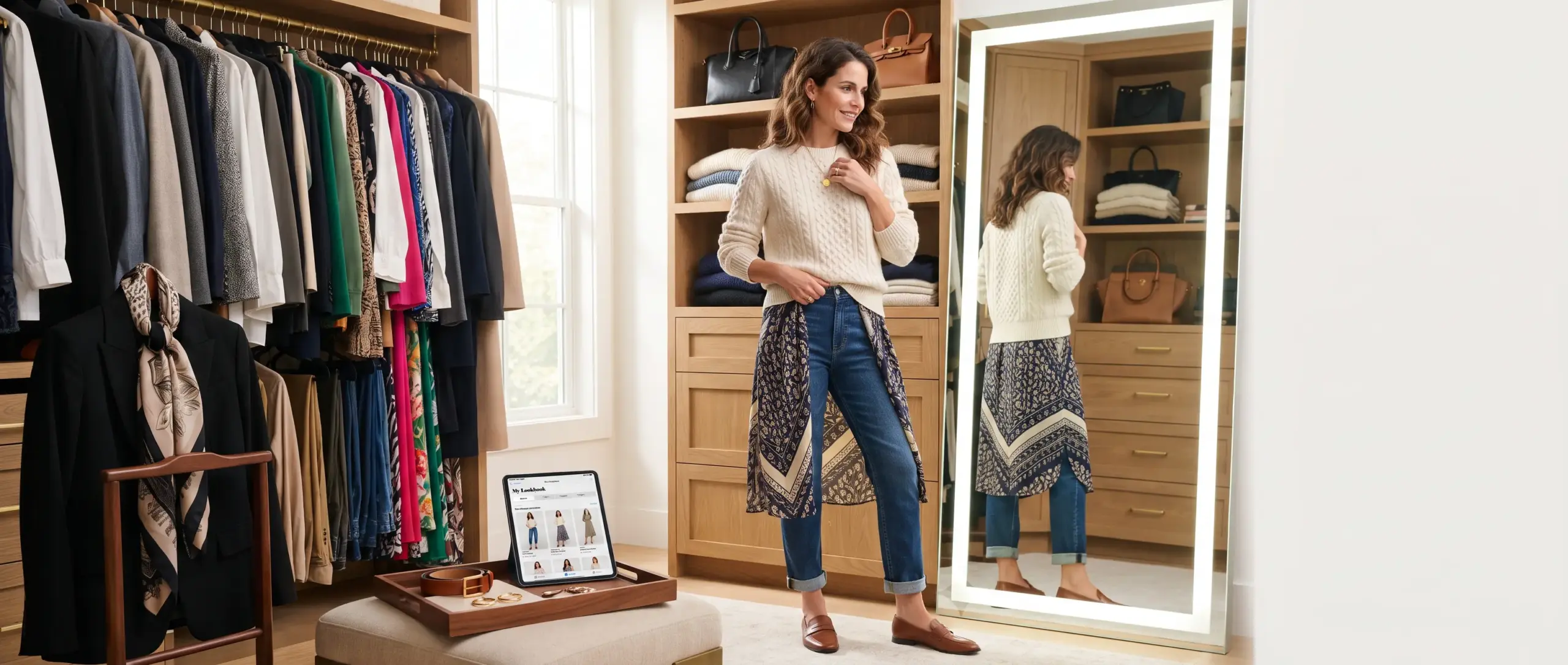 Create More Outfits From the Clothes You Own
8. Care for Your Clothes to Keep Them Wearable
It sounds simple, but you cannot create fresh combinations if your clothes are wrinkled, stained, or missing buttons.
Clothing care
is an underrated aspect of maximizing your wardrobe.
For official guidance about textile care symbols and garment labels, the
Federal Trade Commission clothing care labeling guide
explains how manufacturers provide care instructions for consumers.
- Keep items ready to wear: Laundering, ironing, or steaming your clothing as soon as it is clean ensures that every piece in your closet is immediately ready for action.
- Store items properly: Knit sweaters should be folded rather than hung to prevent stretching out the shoulders. Use sturdy hangers for coats and jackets to preserve their structure.
- Perform routine maintenance: Invest in a low-cost fabric shaver to remove pilling from knitwear, and keep a lint roller handy. Refreshing worn fabrics makes older clothes look brand new, encouraging you to bring them back into rotation.
Frequently Asked Questions
How can I start to create more outfits using the clothes I already have in my closet?
The simplest way to create more outfits from your existing closet is to practice mixing and matching clothes across different categories. Start by taking one staple piece, such as a classic white button-down or a versatile pair of jeans, and try pairing it with five different bottoms or tops. Incorporating thoughtful styling tips, like layering a sweater over a dress or adding a belt to change a silhouette, instantly unlocks fresh outfit combinations. You do not need a brand-new wardrobe to feel stylish every day. By simply looking at your garments through a creative lens, you will discover dozens of new outfit ideas without spending a dime.
How do accessories help me create more outfits without buying new clothing?
Accessories are powerful tools for wardrobe styling that can completely transform the vibe of any basic ensemble. By changing your shoes, jewelry, bags, or scarves, you can transition a simple t-shirt and trousers from a relaxed weekend look to a polished office attire. For instance, pairing a black dress with sneakers and a denim jacket yields a casual feel, while switching to heels and statement earrings creates an elegant evening look. Utilizing strategic accessories allows you to mix and match clothes effectively and maximizes your total number of outfit combinations. Ultimately, clever accessorizing is one of the easiest ways to generate fresh outfit ideas daily.
Can building a capsule wardrobe actually help me create more outfits?
Yes, adopting a capsule wardrobe framework is an exceptional strategy to create more outfits with fewer overall pieces. A capsule wardrobe focuses on curated, high-quality basics in cohesive color palettes that naturally complement one another. When every top effortlessly matches every bottom, your potential outfit combinations increase exponentially. Instead of feeling overwhelmed by a cluttered closet full of mismatched items, a streamlined collection simplifies your daily routine. With just fifteen well-chosen items, you can easily generate over thirty distinct outfit ideas. Mastering this minimalist approach provides effective wardrobe styling tactics that save you time, money, and daily stress.
How can I mix formal or seasonal pieces to create more outfits for everyday wear?
To create more outfits for everyday wear, try breaking the traditional rules of how and when you wear specific garments. You can easily downplay formal items, such as tailored blazers or silk skirts, by pairing them with casual graphic tees and flat shoes. Similarly, extend seasonal items year-round by applying smart layering styling tips, like wearing summer slip dresses over turtleneck tops during cooler months. Learning to mix and match clothes regardless of the formal category or season drastically expands your everyday options. This creative approach gives your formal wear new life and provides endless inspiration for practical outfit ideas.
What should I do if I feel stuck in a closet rut and want to create more outfits?
If you feel stuck in a style rut, the best step is to conduct a mini wardrobe audit and document new look possibilities. Dedicate an hour to trying on different garment pairings that you have never worn together before, and take photos of the successful results on your phone. Creating a visual album of outfit combinations serves as your personal lookbook for busy mornings when inspiration is low. Additionally, applying fresh wardrobe styling tricks, such as tucking garments differently or rolling up sleeves, can completely alter an ensemble’s aesthetic. Organizing your closet visually also makes it far easier to invent exciting new outfit ideas.
Final Thoughts
Learning how to create more outfits from the clothes you own is ultimately an exercise in personal creativity and mindfulness. It frees you from the constant cycle of impulse shopping, saves money, and helps build a authentic sense of personal style.
Instead of viewing your closet as a collection of fixed, set outfits, view it as a palette of individual building blocks. With a bit of experimentation, simple tucking tricks, clever layering, and thoughtful accessorizing, you will realize that your dream wardrobe was hanging in your closet all along.

Related Posts
how to style a t-shirt Every wardrobe has one item

capsule wardrobe for everyday wear Standing in front of a
how to style basic clothes Most people believe that looking

neutral colors for outfits Standing in front of a closet
 WhatsApp
 Messenger
 Phone
Phone