
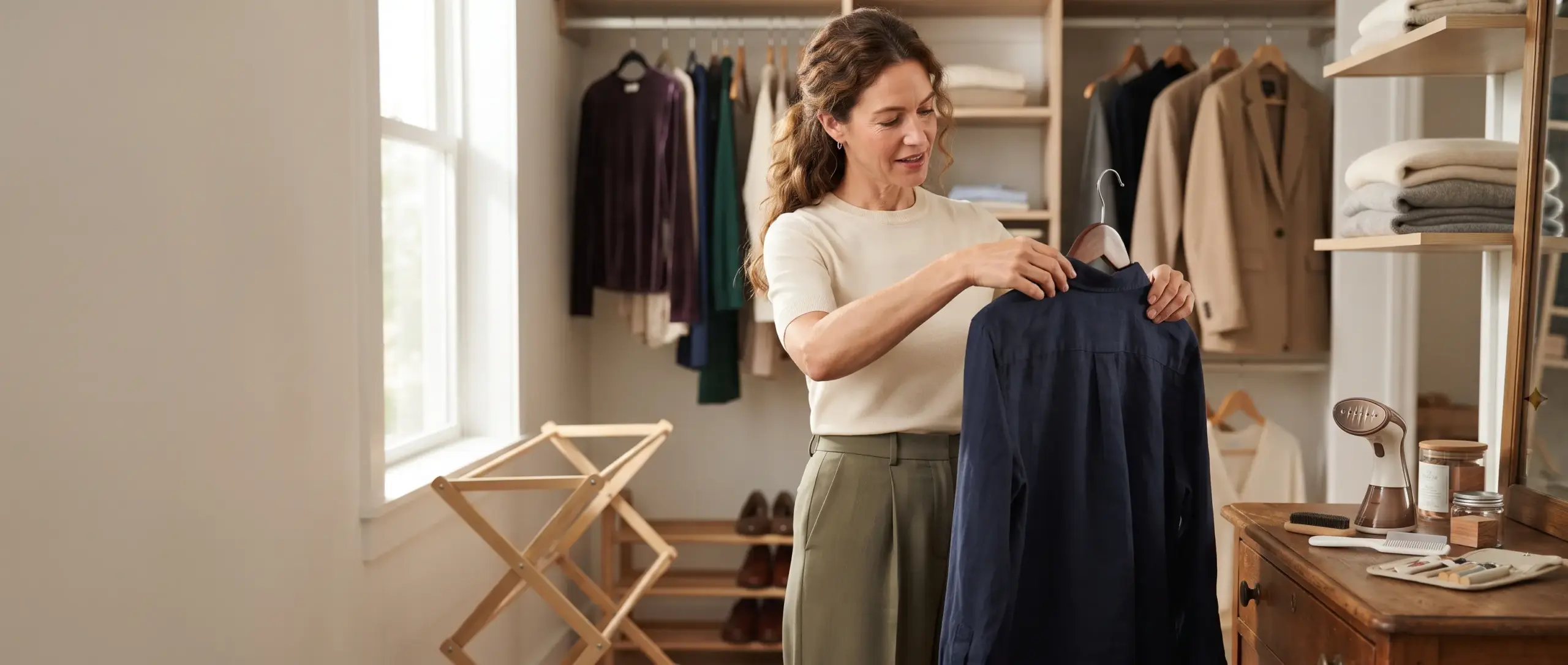
 make your clothes last longer
We have all experienced the disappointment of pulling a favorite shirt out of the wash only to find it shrunk, faded, or stretched out of shape. In a world dominated by fast fashion and low-quality materials, watching your beloved garments wear out after just a few months can feel frustrating and expensive. However, the lifespan of your wardrobe is largely within your control.
Learning how to make your clothes last longer is one of the most effective ways to build a functional, stylish, and sustainable wardrobe. With a few practical clothing care habits, you can protect fabric integrity, preserve vibrant colors, and keep your everyday garments looking fresh for years. Extending the life of your wardrobe saves you money, cuts down on textile waste, and allows you to enjoy your favorite outfits for far longer. Sustainable clothing practices are increasingly important as highlighted by the United Nations Environment Programme’s sustainability resources.
This comprehensive guide covers actionable laundry tips, smart clothing storage solutions, and simple garment maintenance routines that you can easily integrate into your daily life.
Strategic Laundry Tips: Washing Smart, Not Often
The washing machine is often where clothes undergo the most stress. Following proper techniques from our guide on washing cotton clothes without shrinking can help protect delicate fibers during laundry. Heavy agitation, hot water, and harsh detergents wear down natural and synthetic fibers alike over time. Rethinking your laundry habits is the most critical first step toward effective wardrobe care.
Rethink How Frequently You Wash
One of the easiest ways to make your clothes last longer is simply washing them less frequently. Unless an item is visibly dirty, stained, or sweaty, it usually does not require a full wash cycle after a single wear.
- Jeans and Denim: Denim is tough and resilient. Washing jeans after every wear wears down the cotton fibers and causes dark washes to fade quickly. Aim to wash jeans after 4 to 6 wears, or spot-clean minor spots as needed.
- Sweaters and Knits: Wool, cashmere, and heavy acrylic sweaters rarely need frequent washing. Air them out between wears and aim to wash them only once or twice per season unless soiled.
- Outerwear and Blazers: Jackets, coats, and structured blazers should generally be spot-cleaned or cleaned once or twice a season depending on usage.
- Everyday Items: Underwear, socks, and workout gear should always be washed after every wear for hygiene reasons, but t-shirts, button-downs, and skirts can easily go two to three wears before needing a wash.
Master the Art of Sorting
Sorting laundry isn’t just about keeping whites separate from darks to prevent color bleeding. True fabric care involves sorting by weight, texture, and hardware.
- Separate by Weight: Heavy fabrics like denim, canvas, and fleece can create friction against delicate cotton t-shirts or silk blouses during the wash cycle. Group heavy items together and delicate items separately.
- Close Zippers and Fasten Hooks: Open zippers, hooks, and Velcro patches can snag delicate fabrics, pulling threads and creating small holes. Always zip up jackets and jeans, hook bras, and secure Velcro tabs before tossing them into the machine.
- Turn Clothes Inside Out: Turning shirts, pants, and graphic tees inside out before washing reduces surface friction. This simple step helps prevent fading, minimizes fabric pilling, and protects printed or embroidered designs.
Lower the Water Temperature
Hot water may seem ideal for deep cleaning, but it is one of the quickest ways to ruin fabrics. High temperatures break down elastic fibers, cause shrinkage, and strip dye from threads.
Washing your clothes in cold water (30°C/85°F or lower) is gentle on natural fibers like cotton, linen, and wool, as well as delicate synthetics like elastane and rayon. Cold water prevents fading, keeps bright colors crisp, and preserves the stretch in fitted garments. As an added bonus, washing with cold water significantly reduces your household energy consumption. Energy-saving laundry practices are also recommended in ENERGY STAR laundry efficiency guidance.
Measure Detergent Carefully
When it comes to laundry detergent, more is definitely not better. Following basic laundry care recommendations helps maintain fabric quality while improving cleaning results. Using too much detergent creates excessive suds that trap dirt, soap residue, and odors against the fabric rather than washing them away. Over time, built-up soap residue makes clothes look dull, feel stiff, and can even irritate sensitive skin.
- Use half to three-quarters of the recommended detergent dose for normal loads.
- Opt for gentle, liquid detergents over powders, as liquid formulas dissolve completely in cold water without leaving gritty residue behind.
- Avoid fabric softeners on activewear and towels. Fabric softener leaves a waxy coating that clogs breathability in athletic fabrics and reduces the absorbency of bath towels. Instead, add a splash of white vinegar to the rinse cycle to naturally soften fabrics and eliminate odors.
Drying Habits That Protect Fabric Integrity
While the washing machine causes surface friction, the clothes dryer is often the true culprit behind prematurely worn-out garments. The extreme heat and rapid tumbling motion degrade elastic, shrink natural fibers, and strip away structural integrity.
Embrace Air Drying
If you want to keep your garments looking brand new, line drying or flat drying is the single most transformative habit you can adopt.
- Hang Drying: Use sturdy drying racks or outdoor clotheslines for woven shirts, trousers, and sturdy dresses. Hang items by their hems or along structural seams using gentle pegs to avoid leaving unsightly clip marks on sensitive fabrics.
- Flat Drying: Heavy knits, wool sweaters, and delicate lace items should never be hung while wet. Water weight stretches out collars and hem lines, permanently ruining the shape of the garment. Lay wet sweaters flat on a clean, dry towel or a mesh drying rack, gently reshaping them into their original proportions.
Tumble Dry with Caution
If you must use a tumble dryer for bedding, socks, or sturdy basics, lower the heat setting.
- Choose Low Heat or Air Fluff: High heat cooks delicate elastic strands (found in stretch jeans, underwear, and activewear), causing them to snap and lose shape over time.
- Don’t Over-Dry: Remove items while they are still slightly damp to the touch. Over-drying causes static, deep wrinkles, and fabric stress.
- Ditch the Dryer Sheets: Standard dryer sheets contain harsh chemicals and synthetic waxes that coat fibers. Wool dryer balls are a natural alternative that shortens drying time, reduces static, and softens clothes without harmful residues.
Proper Storage: Protecting Clothes Between Wears
The way you store your clothes when you aren’t wearing them plays a major role in their longevity. Poor storage can lead to stretched necklines, shoulder puckers, fabric rot, and damage from pests.
Choose the Right Hangers
Not all hangers are created equal, and using cheap wire or thin plastic hangers can distort your clothing.
- Wooden Hangers: Ideal for suits, blazers, coats, and heavy jackets. The wide contours support shoulder pads and help heavy garments maintain their tailor-made shape.
- Velvet or Padded Hangers: Perfect for delicate blouses, silk tops, and dresses with thin straps. The soft texture prevents garments from slipping off and eliminates rigid pressure points.
- Avoid Wire Hangers: Wire hangers are thin and rigid. They poke into garment shoulders, creating permanent “shoulder bumps” or stretches that ruin the drape of tops and dresses.
Know What to Fold vs. What to Hang
One of the most common wardrobe care mistakes is hanging items that should be folded, or folding items that require hanging.
- Always Fold:
- Sweaters and heavy knits (hanging stretches them out long-term)
- T-shirts and polo shirts
- Activewear and lounge pants
- Embellished or heavily beaded garments (gravity pulls on the delicate stitching)
- Always Hang:
- Tailored suits, blazers, and dress jackets
- Button-down dress shirts and blouses
- Dress pants and trousers (use clamp hangers or drape along a smooth crossbar)
- Dresses made of delicate fabrics like silk, chiffon, or linen
Seasonal Storage Best Practices
When switching out your seasonal wardrobe—storing heavy winter coats in summer or linen dresses in winter—taking a few protective steps ensures your clothes emerge in pristine condition next season.
- Wash Everything Before Storing: Never store clothes dirty. Unseen body oils, perfume, and tiny food particles attract pests like moths and carpet beetles over time, leading to small holes in your fabrics.
- Use Breathable Fabric Storage Bags: Avoid airtight plastic storage tubs or plastic dry-cleaning bags for long-term storage. Trapped moisture inside plastic can lead to mildew, yellowing, and fabric degradation. Use cotton garment bags or canvas storage bins that allow fibers to breathe.
- Prevent Pests Naturally: Skip traditional mothballs, which leave a strong chemical odor that is difficult to wash out. Instead, place natural cedar blocks, dried lavender sachets, or clove sachets in your storage areas. Cedar naturally repels moths while keeping your closet smelling fresh.
Daily Garment Maintenance and Quick Repairs
Extending the life of your wardrobe isn’t just about laundry day; it involves small, regular care habits that prevent minor wear from turning into unfixable damage.
Give Clothes Time to Rest
Just like shoes need time to dry out and regain their shape between wears, garments benefit from air circulation and rest. Avoid wearing the exact same pair of pants or jacket two days in a row.
Allowing a garment to rest on a hanger in a well-ventilated room for 24 hours gives the fibers time to relax, release trapped body heat and moisture, and spring back to their original structure.
Treat Stains Immediately
The longer a stain sits on a fabric, the harder it becomes to remove without using aggressive chemical cleansers that damage dyes and fibers.
- Act Fast: Gently blot (never rub!) liquid spills immediately using a clean paper towel or cloth. Rubbing drives the stain deeper into the weave of the fabric.
- Match the Treatment to the Stain:
- Protein stains (blood, sweat, dairy): Rinse with cold water immediately. Hot water cooks protein stains into the fabric permanently.
- Oil-based stains (grease, makeup, food oil): Apply a tiny drop of clear dish soap directly to the dry spot, let it sit for 15 minutes to break down the grease, then wash in cold water.
- Tannin stains (wine, coffee, tea): Flush with cold water and treat with a mild detergent solution or diluted white vinegar before washing.
De-Pill and Groom Your Knits
Pilling occurs when short fabric fibers rub together, untwist, and form small, fuzzy balls on the surface of garments—especially around arms, thighs, and sides where friction is highest. Understanding textile science and fiber behavior helps explain why different fabrics wear differently over time. Pilling does not mean a garment is ruined; it simply needs grooming.
- Use a Fabric Shaver or Lint Comb: Invest in a battery-operated fabric shaver or a manual sweater comb. Gently glide the tool over the fabric to sheer away pills, instantly restoring a smooth surface.
- Invest in a Clothes Brush: For wool coats and blazers, use a soft-bristled garment brush after wearing. Brushing removes surface dust, fluffs natural fibers, and releases dirt before it embeds into the weave.
Learn Basic Mending Skills
Don’t throw away a garment over a loose thread or a missing button. Learning a few basic needle-and-thread repairs can give your clothes years of extra life.
- Reattach Buttons: Keep a small sewing kit at home with basic thread colors. Reattaching a dropped button takes less than five minutes and saves an otherwise perfectly functional shirt.
- Fix Loose Hems: A simple blind stitch or heat-bond hem tape can quickly fix a fallen hemline on skirts or trousers.
- Catch Tears Early: Inspect seams periodically. Reinforcing a loose thread along an armpit or seam before it completely rips open prevents larger, more complex tears down the road.
Investing in Quality Fabric and Care Tools
Making your clothes last longer starts with intentional choices before you even bring an item home. Learning how to identify quality clothing before buying helps you invest in garments that are designed for longer use. Recognizing high-quality fabrics and investing in a few inexpensive care tools will elevate your garment maintenance routine.
Recognize Durable Materials
When adding new pieces to your wardrobe, inspect the fabric quality and garment construction:
- Natural Fibers: High-grade cotton, linen, wool, and silk tend to age better and withstand repeated washing compared to cheap synthetic blends. Choosing the right materials for your environment through guides about best fabrics for Bangladesh weather can also improve clothing comfort and durability.
- Fabric Density: Hold fabrics up to the light. Tightly woven or knitted fabrics generally last longer than loosely woven, thin materials that easily snag or warp.
- Stitching Integrity: Check inner seams. Look for straight, clean stitching without loose threads, frayed edges, or pulled fabric.
Build an Essential Clothes Care Kit
Having the right tools readily available makes wardrobe care effortless. Consider building a simple kit with the following items:
- A sturdy folding drying rack
- Mesh laundry bags (to protect delicates during washing)
- A electric fabric shaver or lint comb
- Gentle liquid laundry detergent and white vinegar
- Cedar blocks or lavender sachets for storage
- A basic sewing kit with needles, scissors, and neutral threads
- A hand steamer (steam kills odor-causing bacteria and removes wrinkles without the direct fabric contact of a hot iron)
Building Long-Lasting Clothes Care Habits
Transforming your clothing care routine does not require an overhaul of your lifestyle overnight. Start by making small, manageable adjustments: wash your garments in cold water, switch to air drying your favorite tops, and replace cheap wire hangers with wooden or velvet options.
By taking proper care of your clothes, you protect your financial investments, reduce your environmental footprint, and build a timeless, reliable wardrobe that looks amazing every day. With a little extra patience and attention, your favorite garments can stay stylish and vibrant for years to come.
Frequently Asked Questions
How often should I wash my clothes to make them last longer?
You do not need to wash every garment after a single wear unless it is visibly dirty or sweaty. Overwashing causes fabric fibers to break down prematurely, leading to fading and loss of shape. Items like jeans, sweaters, and jackets can usually be worn several times before washing. When you do wash your clothes, use cold water and gentle cycles whenever possible. Cold water helps prevent fading, preserves fabric elasticity, and saves energy. By reducing wash frequency and adopting sensible laundry tips, you will easily make clothes last longer while keeping them looking fresh and vibrant.
Why should I wash my garments inside out?
Washing your garments inside out is a simple yet effective step in garment maintenance. During a wash cycle, clothes rub against each other, causing friction that wears down surface fibers, leads to pilling, and dulls printed designs. Turning items inside out protects the outer fabric from this harsh abrasion, helping to prevent fading and keep colors vibrant for much longer. This trick is especially useful for dark denim, graphic tees, delicate knits, and embellished tops. Integrating this quick step into your regular clothing care routine will significantly reduce wear and tear and ultimately help make clothes last longer.
Is air drying really better than using a clothes dryer?
Yes, air drying is one of the most effective ways to extend the lifespan of your wardrobe. Tumble dryers expose fabrics to excessive heat and friction, which weaken fibers, cause shrinkage, and degrade elastic materials like spandex over time. The lint collected in your dryer filter is actually visible proof of your clothing breaking down. To optimize your wardrobe care, hang your items on a drying rack or line dry them away from direct sunlight. Air drying fragile pieces prevents unwanted stretching and preserves structural integrity. Adopting gentle drying habits is a simple strategy to make clothes last longer without extra effort.
What are the best clothing storage practices to protect my wardrobe?
Proper clothing storage plays a critical role in preserving the quality and shape of your favorite garments. Always hang heavy items like coats and tailored suits on thick, padded, or wooden hangers to maintain their structural shape, while avoiding thin wire hangers that distort shoulders. Conversely, heavy sweaters and delicate knits should always be folded and placed in drawers, as hanging them causes unsightly stretching over time. Additionally, store off-season apparel in cool, dry, and dark spaces inside breathable cotton bags to guard against moisture, dust, and pests. Following these essential storage guidelines will successfully help you make clothes last longer across every season.
How should I handle stains to keep my clothes looking new?
Treating stains immediately is crucial for long-term garment maintenance. The longer a spill sits, the deeper it penetrates the fabric fibers, making it much harder to remove without harsh chemical treatments. Always blot stains gently with a clean cloth and cool water rather than rubbing vigorously, which spreads the stain and damages the delicate surface fibers. Use mild, natural stain removers tailored to the specific type of spill, such as baking soda or dish soap for oil-based stains. By addressing spots promptly with smart clothing care techniques, you avoid aggressive scrubbing, protect fabric integrity, and help make clothes last longer.
Should I zip up zippers and button buttons before putting clothes in the wash?
Yes, preparing your garments before tossing them into the washing machine makes a big difference. Open zippers have sharp metal or plastic teeth that can easily snag, tear, or pull threads on delicate fabrics during the agitation cycle. Unbuttoned shirts, on the other hand, put unnecessary strain on buttonholes and threads, causing them to loosen or pop off. Taking a few seconds to zip all zippers, fasten hooks, and leave buttons unbuttoned is one of the easiest laundry tips you can practice. These small actions minimize fabric damage and effectively make clothes last longer.
Does sorting laundry by color and fabric type really make a difference?
Sorting your laundry properly is a fundamental practice that protects your garments from premature wear. Washing dark clothes separately from whites prevents color bleeding, while grouping similar fabric weights protects delicate items from being crushed by heavy textiles like towels or denim. Heavier fabrics can act like sandpaper against lightweight materials during agitation, causing friction and damage. Furthermore, washing similar items together allows you to choose the exact wash temperature and cycle speed tailored to those specific fabrics. Implementing smart sorting as part of your holistic clothing care approach will preserve color vibrancy and help make clothes last longer.

 WhatsApp
 Messenger
 Phone
Phone