
- Understanding Bangladesh’s Climate and Textile Science
- 1. Pure Cotton: A Reliable Standard for Daily Comfort
- 2. Linen and Linen Blends: Breezy Luxury for Sweltering Days
- 3. Khadi (Khaddar): Sustainable Heritage Comfort
- 4. Viscose Rayon and Modal: Silky Softness for Elegant Drape
- 5. Chambray: Denim Style Without the Heavy Weight
- 6. Georgette and Chiffon: Breathable Evening Options
- Fabrics to Avoid in Warm, Humid Weather
- Practical Styling & Fabric Care Tips for Tropical Living
- Summary Guide: Matching Fabric to Occasion
- Frequently Asked Questions
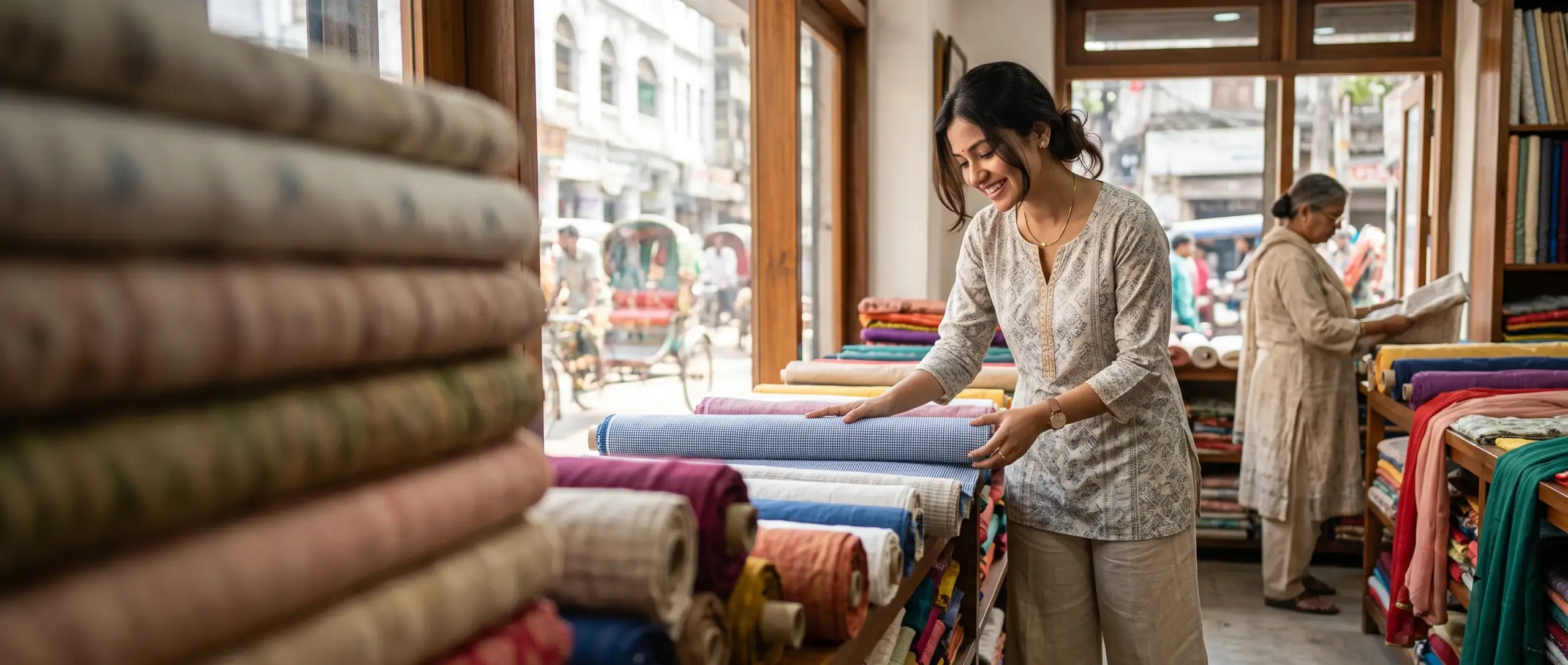 best fabrics for Bangladesh weather
Living in Bangladesh means experiencing a vibrant climate marked by hot summers, heavy monsoon rains, and short, mild winters. With humidity often soaring above 80 percent during peak months, keeping cool and dry is a top daily priority. Anyone who has stepped out into a Dhaka afternoon or navigated a humid evening in Chittagong knows that the right outfit makes all the difference between feeling fresh or completely exhausted.
Choosing the best fabrics for Bangladesh weather is not just about keeping up with seasonal trends; it directly impacts your health, comfort, and productivity. may contribute to discomfort, irritation, or unpleasant skin sensations. On the other hand, natural fibers with open weaves allow air to circulate freely, pulling moisture away from your skin so it can evaporate quickly.
Whether you are upgrading your everyday office wardrobe, picking out casual outfits, or shopping for traditional occasion wear, understanding how textiles interact with tropical humidity will transform the way you dress.
Understanding Bangladesh’s Climate and Textile Science
To choose comfortable clothing that truly performs well, it helps to understand why certain materials feel lightweight and fresh while others make you feel overheated within minutes. The Bangladeshi environment presents two distinct physical challenges: intense solar radiation and high ambient humidity.
When atmospheric humidity is high, your body’s natural cooling mechanism—sweating—becomes less efficient. Sweat sits on the skin rather than evaporating into thin air. If your outfit is made from non-breathable synthetic fibers like polyester or nylon, that moisture stays trapped against your body, creating an uncomfortable, greenhouse-like microclimate.
To combat this, your ideal everyday textiles should feature three core properties:
- High Breathability: The weave density must allow air molecules to pass through effortlessly, keeping skin cool.
- Moisture Absorption (Hygroscopicity): The fibers should absorb perspiration quickly without feeling heavy or soggy.
- Lightweight Weight (GSM): Fabrics measured at a lower GSM (grams per square meter) weigh less on the body and don’t hold excess heat.
When you balance these physical properties with loose-fitting cuts, you create an effortless defense against sweltering tropical heat.
1. Pure Cotton: A Reliable Standard for Daily Comfort
When people think of summer clothes in South Asia, cotton fabric immediately comes to mind—and for good reason. Cotton has been woven and worn across Bengal for thousands of years, earning its reputation as the ultimate natural textile for heat management.
Pure cotton is naturally absorbent, soft against sensitive skin, and highly breathable. The properties of cotton fiber make it one of the most widely used natural fibers in apparel. Its natural cellulose fibers pull moisture away from the body, allowing it to dissipate into the air. However, not all cottons are created equal, and choosing the right variety for your specific daily routine is essential.
Popular Cotton Varieties in Bangladesh
Lawn Cotton
Extremely fine, crisp, and lightweight, cotton lawn is a top pick for women’s three-piece kameez sets and tunics. It offers a smooth surface, prints beautifully, and feels weightless even on scorching days.
Voile
Cotton voile is a soft, sheer woven cloth that feels remarkably light against the skin. Because of its semi-translucent nature, it is frequently used for layered summer tops, light dupattas, and airy scarves that provide sun protection without adding weight.
Taant and Handloom Cotton
Traditional Bengali taant sarees and hand-woven cotton fabrics feature slightly looser weaves that maximize airflow. Artisans in regions like Pabna, Tangail, and Sirajganj craft these textiles specifically to offer cool, breathable fashion suitable for long, humid days.
Combed Cotton
Widely used for premium t-shirts, polo shirts, and innerwear, combed cotton undergoes an extra refining process that removes short fibers and impurities. The result is an exceptionally soft, strong material that stands up well to frequent laundering.
2. Linen and Linen Blends: Breezy Luxury for Sweltering Days
If cotton is the king of everyday wear, linen clothing is the undisputed champion of effortless tropical style. Made from the natural fibers of the flax plant, linen boasts an open weave and high natural stiffness that keeps the fabric slightly off your skin, encouraging constant airflow.
Linen excels in Bangladesh’s weather because it dries significantly faster than cotton. Its unique linen fiber characteristics and performance help explain why it remains popular in warm climates. When you sweat, linen absorbs the moisture and releases it rapidly back into the atmosphere, keeping you cool and dry throughout the day.
Why Choose Linen Blends?
While 100% pure linen is incredibly cool, it is prone to dramatic wrinkling—a characteristic some love for its relaxed, lived-in aesthetic, but others find tricky for formal office settings.
If you prefer a crisp, neat appearance with minimal ironing effort, consider cotton-linen blends. These hybrid fabrics combine the crisp breathability of flax with the soft structure and wrinkle resistance of cotton, giving you the best of both worlds.
Best Uses for Linen:
- Relaxed button-down shirts for men
- Tailored, wide-leg trousers and culottes
- Casual tunics, tops, and short kurtas
- Unstructured summer blazers for formal meetings
3. Khadi (Khaddar): Sustainable Heritage Comfort
Khadi holds a rich cultural heritage across the Indian subcontinent. Hand-spun and hand-woven using traditional spinning wheels (charkha), Khadi is more than just a piece of cloth—it is a sustainable, smart textile naturally suited for variable weather.
What makes Khadi unique is its distinctive weave geometry. Because human hands spin the thread unevenly, tiny air pockets are woven naturally into the fabric structure. These micro-pockets allow the material to perform remarkably well across seasons:
- In Summer: It conducts heat away from the body and lets breezes circulate through the loose weave.
- In Mild Winters: The trapped air pockets act as a subtle natural insulator, keeping evening chill at bay.
Khadi Panjabis, waistcoats, and casual kurtis offer a rich, textured look that stands out in a sea of factory-manufactured fast fashion. It softens with every wash, becoming increasingly comfortable the longer you own it.
4. Viscose Rayon and Modal: Silky Softness for Elegant Drape
For those who love the luxurious drape and silky sheen of silk but cannot tolerate heat-trapping fabrics during summer, viscose rayon and modal offer ideal alternatives.
Viscose rayon is derived from natural wood pulp through a specialized manufacturing process, rendering it a semi-synthetic fiber. Because its chemical foundation is plant-based cellulose, it shares many natural comfort properties with cotton:
- Silky and Lightweight: Feels cool to the touch and drapes beautifully over the body without clinging.
- High Absorbency: Absorbs perspiration even better than basic cotton, preventing stickiness.
- Vibrant Color Retention: Holds dyes exceptionally well, resulting in rich prints that don’t fade quickly.
Modal, an advanced form of rayon made primarily from beechwood trees, offers even higher strength and exceptional softness. It is widely used in high-quality jersey tops, lounge pants, palazzos, and casual dresses.
> Care Tip for Rayon & Modal: Always wash rayon garments in cool water on a gentle cycle, as wet rayon fibers lose a portion of their strength and can shrink if exposed to hot water or harsh drying cycles.
5. Chambray: Denim Style Without the Heavy Weight
Denim jeans are a global wardrobe staple, but thick 14-ounce cotton denim can feel stifling during a humid summer day in Chittagong or Sylhet. That is where chambray comes in.
Chambray offers the iconic indigo, washed look of traditional denim while using a plain weave construction rather than a heavy twill weave. The result is a fine, lightweight, highly breathable fabric that looks like classic denim but feels as light as a summer shirt.
How to Style Chambray in Bangladesh:
- Men’s Casual Wear: Long-sleeve or short-sleeve chambray button-ups paired with lightweight chinos offer an easy, smart-casual aesthetic.
- Women’s Everyday Outfits: Chambray tunics, utility dresses, and relaxed shirts provide a stylish, durable option for university students and working professionals alike.
6. Georgette and Chiffon: Breathable Evening Options
Navigating formal events like weddings, engagement parties, and festive gatherings during warm weather can be challenging. Heavy silk, velvet, and dense brocades often prove far too warm for outdoor venues or packed event halls.
For festive occasions where traditional heavy fabrics feel overwhelming, sheer options like georgette and chiffon offer a ideal compromise.
- Viscose/Silk Georgette: Crafted with twisted yarns, georgette has a slightly crinkled texture, bouncy drape, and light feel. Opt for plant-based or silk georgette rather than 100% polyester versions for true breathability.
- Chiffon: Extremely thin, flowing, and semi-transparent, chiffon is ideal for elegant sarees, light dupattas, and flowing sleeves that move effortlessly with the breeze.
Pairing a breathable georgette kameez with an absorbent cotton or viscose lining lets you maintain a formal, glamorous look without sacrificing thermal comfort.
Fabrics to Avoid in Warm, Humid Weather
Knowing what not to wear is just as vital as choosing the right textiles. Certain fabrics slow down air circulation and trap heat and sweat, leaving you feeling uncomfortable.
Here are the primary fabrics to skip during warm seasons:
Why Pure Polyester Struggles in Humidity
many standard polyester garments may feel less comfortable during peak summer humidity. When you sweat in a cheap polyester shirt, the moisture has nowhere to go. It pools on your skin, while the synthetic mesh traps warmth underneath.
Over time, this environment encourages bacterial growth, leading to unwanted body odor even shortly after taking a shower. While performance athletic wear uses specialized moisture-wicking polyester knits, everyday standard polyester fashion items should generally be set aside during peak summer months.
Practical Styling & Fabric Care Tips for Tropical Living
Selecting the best fabrics for Bangladesh weather is only half the strategy. How you fit, style, and care for your garments dictates how cool you will feel throughout the day.
1. Prioritize Relaxed, Flowing Silhouettes
Skin-tight garments restrict air movement across the body, regardless of how natural the fabric is. Opt for relaxed cuts, wide-leg trousers, loose tunics, flared skirts, and comfortable Panjabis. A small gap between your skin and the fabric allows air to flow naturally, drying sweat before it creates discomfort.
2. Choose Lighter Color Palettes
Dark tones like black, deep navy, and charcoal absorb solar radiation and retain heat. Soft pastels, clean whites, cream tones, beige, and light earth hues reflect sunlight away from your body, keeping your outfit significantly cooler during daytime travel.
3. Smart Layering Strategies
If your work environment requires structured attire or modest coverage, layer intelligently:
- Use sheer dupattas made of net, chiffon, or voile rather than heavy blended fabrics.
- Ensure linings in dresses, kameezes, and jackets are made from soft cotton or breathable viscose, never synthetic lining materials.
4. Fabric Care in High Humidity
Bangladesh’s humid air makes clothes susceptible to mildew, damp smells, and fiber degradation if stored improperly. Following proper textile care and preservation guidelines can help extend the life of garments. Follow these care routines to extend the life of your natural wardrobe:
- Dry Thoroughly Before Folding: Never put clothes away in a wardrobe if they are slightly damp from the wash or outdoor air.
- Ventilate Closet Spaces: Keep wardrobe doors open occasionally to encourage air circulation, and use moisture absorbers (like silica gel packets or charcoal bags).
- Wash Promptly: Wash sweat-soaked garments promptly to prevent salt buildup, which can yellow white cottons and degrade delicate fibers over time.
- Line Dry in the Shade: Sunlight acts as a natural disinfectant, but direct, intense midday sun can fade rich dyes and weaken fine linen fibers. Hang delicate garments in shaded, well-ventilated outdoor areas.
Summary Guide: Matching Fabric to Occasion
To make your everyday clothing decisions quick and straightforward, here is a helpful reference for matching textiles to daily routines:
- Everyday Casual & Chores: Lawn cotton, soft combed cotton t-shirts, taant sarees, and lightweight khadi.
- Office & Professional Work: Cotton-linen blend shirts, structured cotton trousers, viscose-blend kurtis, and neat chambray button-downs.
- Festive & Social Gatherings: Viscose georgette kameez sets, light chiffon sarees with breathable inner linings, and fine cotton-silk Panjabis.
- Travel & Outdoor Excursions: 100% Linen shirts, loose cotton slacks, and modal tunics paired with light cotton scarves for sun protection.
Frequently Asked Questions
What are the best fabrics for Bangladesh weather during the summer months?
Cotton remains the best choice for Bangladesh summer because it is breathable, absorbs sweat, and keeps the body comfortable. Linen and lightweight natural fabrics are also excellent options.
Is linen clothing a good choice for tropical fashion in Bangladesh?
Yes. Linen allows airflow, dries quickly, and works very well in hot and humid climates.
How do I pick the right breathable fabric for monsoon clothing in Bangladesh?
Choose lightweight cotton, linen blends, rayon, or modal fabrics that dry faster and avoid heavy synthetic materials.
Why should synthetic materials be avoided in summer?
Polyester and similar synthetic fabrics can trap heat and moisture, reducing comfort in humid weather.
What are durable options for daily comfortable clothing?
High-quality cotton, linen blends, and handloom fabrics provide durability and comfort for everyday use.

Related Posts

Stains From Clothes Safely We have all experienced that stomach-dropping

how to wash cotton clothes There is nothing quite like

how to read clothing labels We have all been there:

how to identify quality clothing Have you ever bought a
 WhatsApp
 Messenger
 Phone
Phone