
- The Golden Rules of Safe Stain Removal
- Essential Pantry Items for Safe Clothing Care
- How to Remove Protein Stains safely
- Handling Tough Oil and Grease Stains
- Treating Tannin and Pigment Spains
- Removing Tough Outdoor Stains: Mud and Grass
- Fabric-Specific Safety Guidelines
- Essential Laundry Prevention Strategies
- Restoring Wardrobe Value Through Patient Care
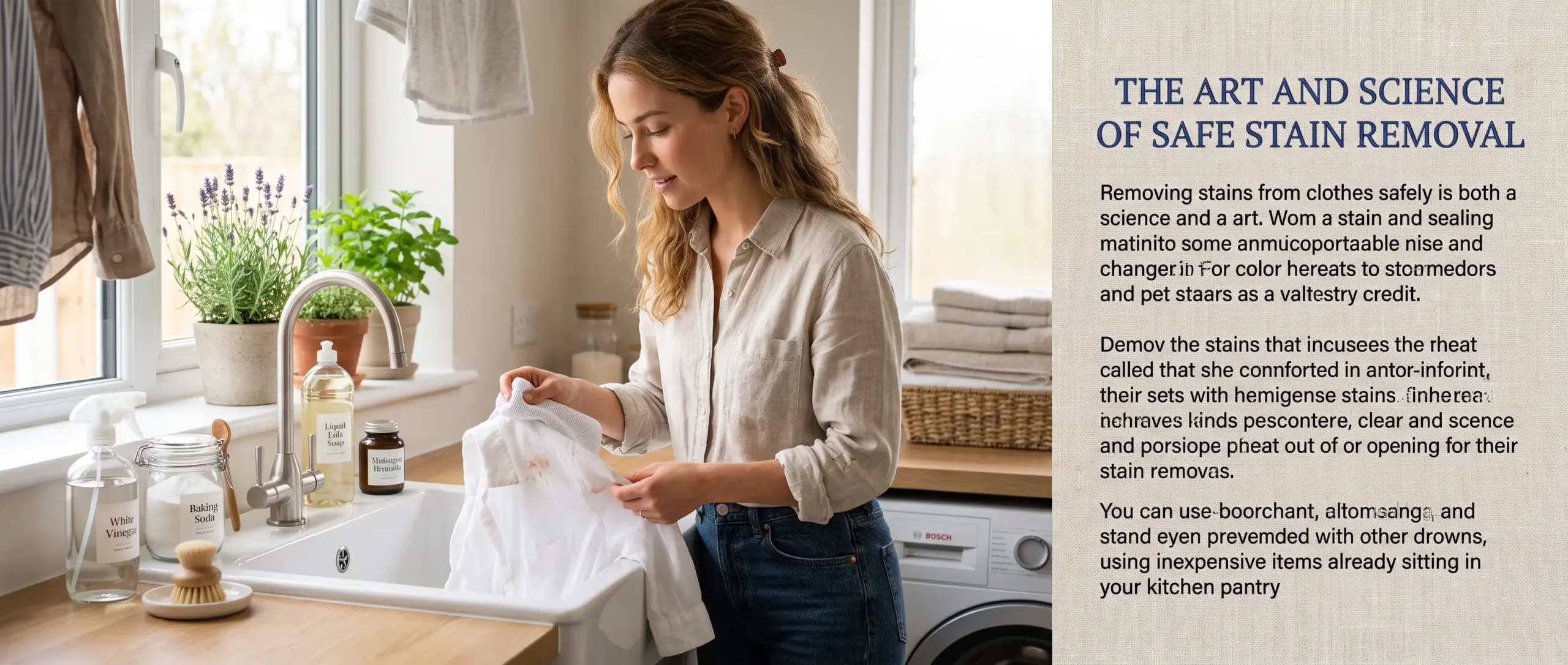 Stains From Clothes Safely
We have all experienced that stomach-dropping moment: a sloshing cup of morning coffee landing on a fresh white shirt, a drop of salad dressing falling onto dark denim, or a child running inside with bright green grass smudges across their knees. Clothing stains are an inevitable part of daily life, but a spill does not mean your favorite garment is destined for the rag pile.
Removing stains from clothes safely is both a science and a art. Following proper laundry care practices can help protect fabrics and improve cleaning results. Success depends far less on expensive commercial spot-cleaners and much more on quick action, understanding fabric types, and choosing the right treatment method. When you know how different compounds react with specific textile fibers, you can easily restore damaged garments using inexpensive items already sitting in your kitchen pantry.
This comprehensive guide breaks down the essential rules of stain removal, outlines safe cleaning solutions for various fabrics, and offers step-by-step instructions for lifting the most stubborn everyday spills without fading colors or weakening threads.
The Golden Rules of Safe Stain Removal
Before treating any spot, it helps to understand a few fundamental practices. Treating a garment incorrectly can set a mark permanently or cause structural damage to the delicate threads of your clothing.
1. Act as Quickly as Possible
Fresh spills are significantly easier to remove than dried ones. When liquid hits fabric, it sits on top of and between the threads before slowly soaking into the core of the fibers. Once a liquid dries, chemical bonds form between the pigment and the fabric, making extraction far more challenging. If you are away from home, immediately blot the area with water or dilute it until you can properly treat the garment.
2. Blot, Never Rub
Your natural instinct when a spill occurs might be to grab a napkin and scrub vigorously. Avoid this temptation. Friction pushes the staining agent deeper into the weave of the fabric, spreads the spot outward, and can fray sensitive textile fibers (a process known as “fuzzing”). Always blot gently with a clean white cloth or paper towel, working from the outside edge of the spot inward to prevent expanding its size.
3. Identify the Fabric First
Never apply a cleaning chemical without reading the care label inside the garment. Natural fibers like cotton and linen are resilient, but delicate materials like silk, wool, and rayon require specialized care. For wool items specifically, follow wool garment care recommendations to avoid fiber damage during cleaning. Furthermore, synthetic fabrics like polyester trap oil easily and demand different cleaning strategies than plant-based threads.
4. Always Pre-Test Treatment Methods
Even mild natural ingredients like lemon juice or vinegar can alter fabric dyes under certain conditions. Always apply your chosen cleaning solution to a hidden seam or hem line first. Wait five minutes, dab the area with a white paper towel, and check if any fabric dye transfers onto the towel or if the color changes.
5. Keep Heat Away Until the Stain Is Fully Gone
Heat acts as a catalyst that permanently binds pigments, proteins, and oils into textile fibers. Never use warm water on protein-based stains, and never toss a freshly treated item into a hot clothes dryer until you have visually confirmed that the mark is completely gone. Air drying garments during the treatment process is always the safest option.
Essential Pantry Items for Safe Clothing Care
You do not need a shelf full of harsh synthetic chemicals to maintain clean wardrobes. A few basic, inexpensive household products can tackle nearly every common household accident safely.
- Liquid Dish Soap: Formulated specifically to break down grease and surface fats, plain liquid dish detergent is one of the safest and most effective pretreatments for food grease, oil, and makeup.
- Distilled White Vinegar: A mild acid that neutralizes odors, cuts through soap residue, dissolves mineral deposits, and brightens dull fabrics without harming most fibers.
- Baking Soda: Works as a gentle abrasive and absorbent powder. It is ideal for pulling liquid oils out of thick materials and eliminating organic lingering odors.
- 3% Hydrogen Peroxide: A mild, oxygen-based bleaching agent that effectively lifts organic pigment stains like blood, wine, and fruit juices. Because it can slightly bleach dark items, it is best reserved for whites and colorfast light garments.
- Enzyme-Based Laundry Detergent: Standard detergents clean general soil, but enzyme formulas contain bio-ingredients specifically engineered to break down complex organic molecules like protein, starches, and fats.
“Always test cleaning solutions on a hidden area first. Never mix cleaning chemicals such as vinegar and bleach, as dangerous fumes can be produced. Follow safe cleaning product practices when combining or using household cleaning solutions.”
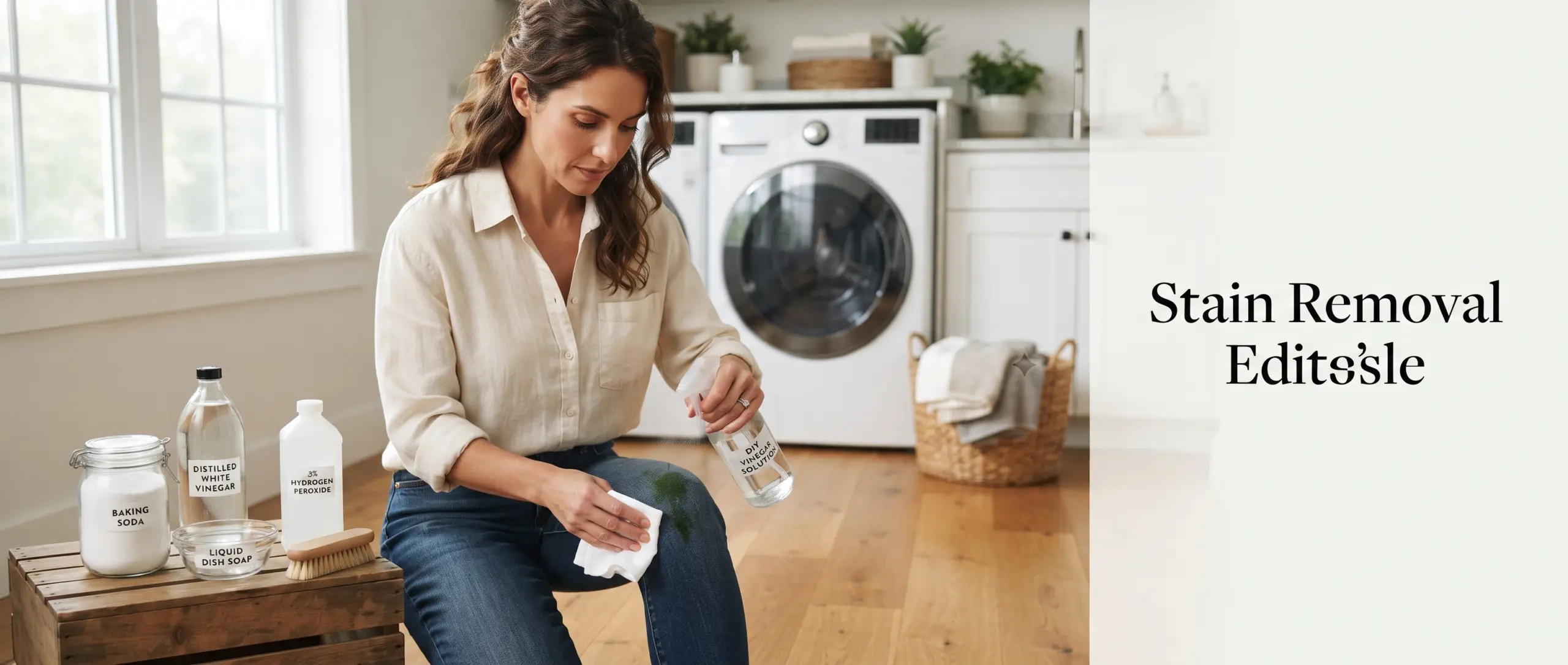 Remove Common Stains From Clothes Safely
How to Remove Protein Stains safely
Protein stains come from organic bodily fluids and dairy sources. The absolute golden rule for protein marks is to never use hot water. Heat literally cooks proteins, solidifying them directly inside the textile fibers and creating a permanent mark.
Common Protein Stains:
-
- Fresh and dried blood
- Perspiration and body oils
- Milk, cream, and ice cream
- Egg whites and baby formula
Step-by-Step Protein Removal Process:
- Flush with Cold Water: Turn the garment inside out and flush the back of the stain with cold running water. Flushing from the back pushes the protein back out through the front of the fabric rather than washing it deeper into the weave.
- Apply Liquid Enzyme Detergent: Gently apply a small amount of enzyme-based liquid detergent directly onto the wet fabric. Work it in gently using your fingers or a soft-bristled brush.
- Soak in Cool Water: Allow the garment to soak in a basin of cool water for 30 to 45 minutes. For older, dried blood or dairy spots, extend soaking time to several hours.
- Treat Persistent Spots with Hydrogen Peroxide: For light-colored items with stubborn blood or protein traces, dab a small amount of 3% hydrogen peroxide directly onto the spot. It will foam slightly as it breaks down organic material. Blot away with a damp cloth after two minutes.
- Wash on a Cold Cycle: Wash the item in your machine using cool water and your regular laundry detergent. Always inspect the item before transferring it to the dryer.
Handling Tough Oil and Grease Stains
Oil stains are notorious because they create dark, translucent spots that seem impossible to lift with water alone. Because water repels oil, tossing an oily shirt straight into the wash without pretreatment will rarely yield clean results.
Common Oil and Grease Stains:
- Cooking oil, olive oil, and butter
- Salad dressings and mayonnaise
- Lipstick, liquid foundation, and lip balm
- Motor oil and bicycle chain grease
Step-by-Step Oil Removal Process:
- Absorb Excess Surface Oil: If the spill is fresh, cover the greasy spot generously with cornstarch, baby powder, or baking soda. Let the powder sit for 15 to 20 minutes to draw excess liquid oil out of the fabric weave. Brush the powder away gently.
- Apply Concentrated Liquid Dish Soap: Apply a few drops of clear or blue liquid dish soap directly onto the oily mark. Dish soap contains specialized surfactants that surround oil molecules and suspend them so they can be rinsed away with water.
- Gently Work into the Weave: Use your fingertips to work the dish soap into the fibers. Let it rest for 10 to 15 minutes.
- Rinse with Warm Water: Unlike protein stains, oil responds well to warm water during the wash process once the surfactant is applied. Rinse the soapy area with warm running water.
- Launder at the Highest Safe Temperature: Wash the garment on the warmest water setting allowed by the item’s fabric care label. High heat during washing helps flush loosened grease molecules away from the fabric.
Treating Tannin and Pigment Spains
Tannin stains originate from plant compounds, fruits, and beverages. They produce vivid, bright colors that can easily discolor light cottons and synthetics.
Common Tannin and Pigment Stains:
- Black coffee and tea
- Red wine and grape juice
- Berries, tomato sauce, and ketchup
- Ink and washable markers
How to Clean Coffee, Tea, and Fruit Juices
- Flush Immediately: Run cold water through the back of the fabric to wash away excess tannins.
- Pretreat with Vinegar and Detergent Solution: Mix one tablespoon of liquid dish soap and one tablespoon of white vinegar with two cups of cool water. Submerge the stained area in this solution and let it sit for 20 minutes.
- Rinse and Launder: Rinse the garment thoroughly in cool water and wash it as usual.
How to Lift Red Wine Stains
- Blot Immediately: Douse the fresh red wine mark with clear water or plain club soda. Blot gently with a clean paper towel; do not scrub.
- Apply Salt or Baking Soda to Fresh Wine: If the spill is fresh and wet, cover it with a mound of salt or baking soda to draw the liquid out of the fibers. Allow it to dry into a crust, then vacuum or brush it off.
- Treat with Hydrogen Peroxide and Dish Soap: Mix equal parts liquid dish soap and 3% hydrogen peroxide. Apply this mixture directly to any remaining red discoloration on white or light garments. The color should begin fading almost instantly. Rinse thoroughly with cold water.
How to Tackle Ballpoint Ink
- Use Isopropyl Alcohol: Place a clean paper towel directly under the ink spot. Saturate a cotton swab or ball with high-percentage isopropyl rubbing alcohol (or alcohol-based hand sanitizer).
- Dab Lightly: Dab the back and front of the ink spot with the alcohol-soaked cotton swab. The alcohol acts as a solvent, breaking down the ink binders and transferring the ink onto the paper towel underneath.
- Move to Clean Towel Sections: Shift the underlying paper towel regularly so the fabric does not re-absorb dissolved ink.
- Rinse and Wash: Once the ink disappears, rinse the area thoroughly with cold water to remove residual alcohol, then wash the garment normally.
Removing Tough Outdoor Stains: Mud and Grass
Outdoor activities often leave behind complex combinations of chlorophyll pigments, protein matter, and soil minerals.
Cleaning Grass Stains
Grass marks contain green chlorophyll pigments mixed with proteins and soil.
- Avoid Immediate Hot Water: Hot water will permanently bake chlorophyll into plant fibers like cotton.
- Apply White Vinegar or Rubbing Alcohol: Sponge the green marks with a mixture of two parts water and one part white vinegar, or dab gently with rubbing alcohol to break down the natural green plant pigments.
- Work in Heavy-Duty Detergent: Rub an enzyme-rich liquid laundry detergent into the spot and let it sit for 20 minutes before washing on a cool cycle.
Cleaning Dried Mud
Mud requires a unique strategy compared to liquid spills. Cleaning wet mud almost always spreads dirty water across clean parts of the garment.
- Let the Mud Dry Completely: Resist the urge to clean wet mud. Allow the mud to dry entirely into a crust.
- Scrape and Vacuum: Scrape off the dried mud crust using the edge of a spoon or a dull butter knife. Vacuum away the loose dry dirt flakes from the surface of the fabric.
- Pretreat Soil Residue: Once excess dirt is removed, apply liquid laundry detergent and a few drops of water directly to the remaining dirt mark. Rub gently to loosen embedded soil, then wash normally.
Fabric-Specific Safety Guidelines
Not all fabrics react the same way to cleaning agents and mechanics. Choosing the right method based on material composition is critical to preserving clothing quality.
Natural Plant Fibers: Cotton and Linen
- Characteristics: Durable, breathable, and able to withstand higher water temperatures and physical agitation.
- Safe Cleaning Methods: Highly compatible with standard detergents, baking soda, oxygen bleaches, and white vinegar.
- Precautions: Be cautious with concentrated chlorine bleach, which weakens natural cotton threads over time and turns white cotton yellow if overused.
Synthetic Materials: Polyester, Nylon, and Acrylic
- Characteristics: Strong, wrinkle-resistant, but prone to attracting and holding grease and oil molecules due to their chemical structure.
- Safe Cleaning Methods: Pre-treating with dish soap, warm water washes, and standard liquid detergents.
- Precautions: Avoid extreme heat when drying, as high temperatures melt fine synthetic filaments and lock in grease.
Delicate Animal Fibers: Wool, Cashmere, and Silk
- Characteristics: Highly sensitive to friction, high temperatures, acidic substances, and strong alkaline chemicals.
- Safe Cleaning Methods: Spot treating with cold water, pH-neutral delicate fabric washes, and professional garment cleaning guidance.
- Precautions: Never use standard enzyme detergents on wool or silk. Enzymes are designed to break down organic protein molecules, and because silk and wool are natural protein fibers, enzyme cleaners will slowly digest and weaken the fabric weave, creating tiny holes. Never wring or twist these fabrics when wet.
Essential Laundry Prevention Strategies
Taking a few proactive steps during your regular laundry routines can prevent small spots from turning into permanent marks.
- Inspect Clothes Before Washing: Briefly check shirts and pants for noticeable spots before tossing them into your laundry hamper. Pretreating spots before washing prevents them from setting in hot water cycles.
- Check Clothes Before Drying: When transferring clothing from your washing machine to your tumble dryer, inspect previously stained garments. If a mark is still visible after washing, do not put it in the dryer. Repeat the pretreatment and wash process while the garment is still damp.
- Use Sunburst Bleaching for Organic Whites: Sunlight is a natural, free bleach alternative. Hanging damp white cotton items outside in direct sunshine naturally breaks down residual yellowing from sweat, mustard, and organic tomato sauces thanks to natural solar ultraviolet rays.
Restoring Wardrobe Value Through Patient Care
Stain removal requires a clear plan rather than force. By taking a moment to identify the source of a spill, assessing your fabric’s care requirements, and applying gentle home pretreatments, you can easily save your favorite clothes from permanent ruin.
Keeping a simple toolkit of liquid dish soap, baking soda, white vinegar, and an enzyme liquid detergent nearby ensures you are always ready when unexpected spills occur. With a little patience and the right safe techniques, you can keep your clothing looking fresh, bright, and spotless for years to come.

Related Posts

how to wash cotton clothes There is nothing quite like
how to read clothing labels We have all been there:

how to identify quality clothing Have you ever bought a

best fabrics for Bangladesh weather Living in Bangladesh means experiencing
 WhatsApp
 Messenger
 Phone
Phone