
- Why Clothing Care Labels Matter
- The Universal Alphabet: The Five Basic Symbols
- Decoding the Modifiers: Temperature, Cycles, and Warnings
- Detailed Breakdown of Symbol Categories
- Understanding Fiber Content and Fabric Types
- Essential Rules for Better Garment Maintenance
- Common Laundry Mistakes That Damage Clothes
- Frequently Asked Questions
- Final Thoughts
 how to read clothing labels
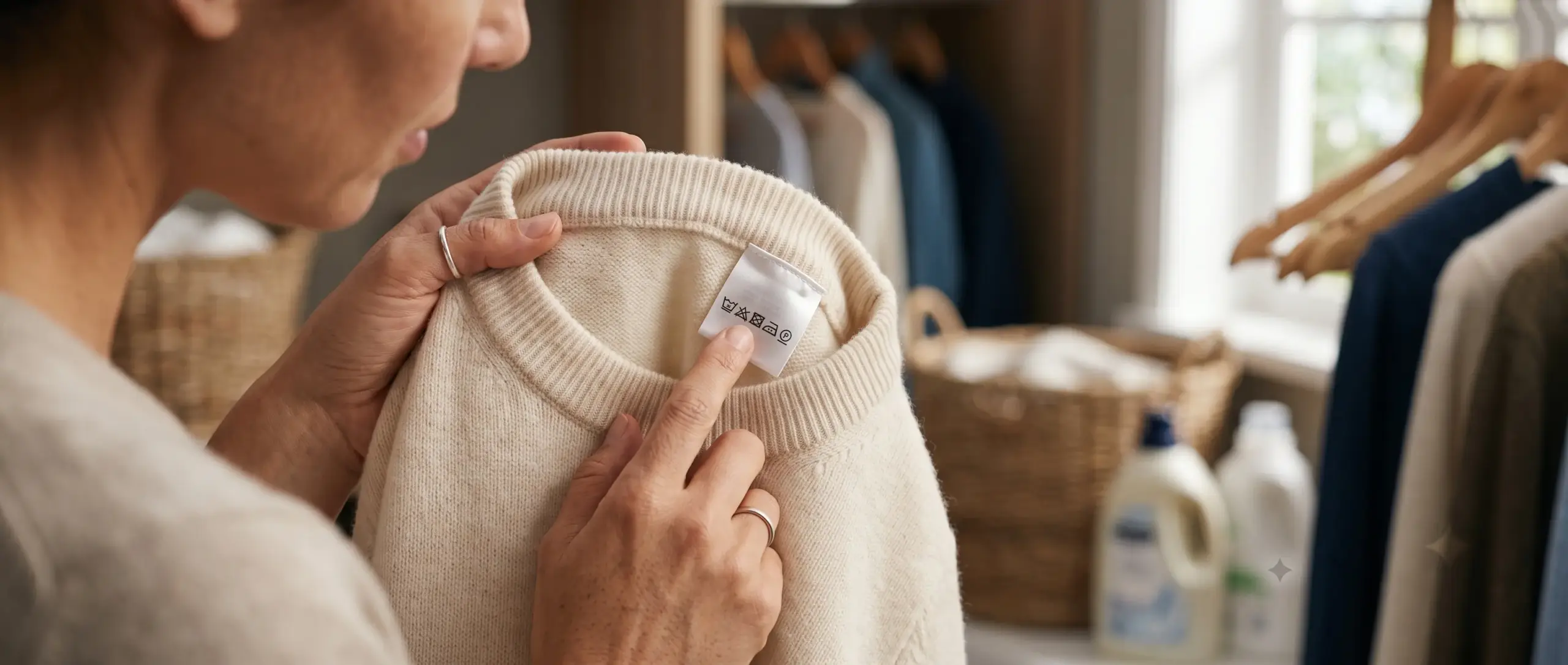
We have all been there: you pull your favorite sweater out of the dryer, only to discover it has shrunk down to doll size. Or perhaps a vibrant dark shirt came out covered in chalky lines and stretched out beyond recognition. Laundry mishaps like these are surprisingly common, yet almost entirely avoidable. The secret to keeping your wardrobe looking fresh, vibrant, and perfectly fitted lies in a small, often overlooked piece of fabric tucked inside your garments: the care label. Learning how to read clothing labels can feel a bit like trying to decipher a secret language. With an array of tiny tubs, dots, triangles, and irons printed on synthetic tags, it is easy to see why so many people simply snip them off and guess. However, understanding these symbols is the single most effective way to extend the lifespan of your clothing, save money on unnecessary replacements, and practice more sustainable wardrobe maintenance. In this comprehensive laundry guide, we will break down everything you need to know about fabric labels, care symbols, and textile compositions. Understanding clothing quality before purchasing also helps you choose garments that are easier to maintain and last longer. Whether you are caring for everyday cotton tees, delicate silk blouses, or high-performance athletic gear, you will walk away with the confidence to handle every wash load like a seasoned professional. If you are buying clothes online, our guide on choosing the right clothing size online can help you avoid common shopping mistakes.
Why Clothing Care Labels Matter
Before diving into specific washing symbols, it helps to understand why garments carry these tags in the first place and what valuable information they provide. In most countries, including the United States, Canada, the United Kingdom, and throughout the European Union, government regulations mandate that apparel manufacturers attach permanent care tags to garments. These mandatory labels must disclose three crucial details according to official textile labeling requirements:
- Fiber Content: The exact percentage of each fiber used in the garment (for example, 95% Cotton, 5% Elastane).
- Country of Origin: Where the garment was manufactured or assembled.
- Care Instructions: Clear warnings and directions regarding washing, drying, bleaching, ironing, and professional cleaning.
Beyond legal compliance, clothing labels serve as a personal instruction manual for your wardrobe. Following these directions prevents premature wear, color fading, fiber breakdown, and structural warping. Proper garment care also reduces textile waste, making label reading an easy and practical step toward a more eco-friendly lifestyle. The importance of sustainable consumption practices is increasingly recognized in the fashion industry.
The Universal Alphabet: The Five Basic Symbols
At first glance, clothing care symbols might seem random, but they are governed by standardized international systems (such as ASTM International in North America and GINETEX in Europe). The international care labeling system helps standardize garment care symbols worldwide. While minor regional differences exist, the core shapes remain virtually identical around the globe. Every care symbol is built around five basic shapes, each representing a primary stage in the clothing maintenance process:
- The Wash Tub: A simple outline of a tub filled with water indicates how the item should be washed.
- The Triangle: A standard three-sided triangle gives instructions regarding the safe use of bleach.
- The Square: A square represents the drying process, covering both tumble drying and natural drying methods.
- The Iron: Shaped like a traditional household iron, this symbol tells you whether pressing is safe and what temperature setting to use.
- The Circle: A simple circle indicates that the item requires specialized professional cleaning, such as dry cleaning.
Once you recognize these five foundational shapes, reading fabric labels becomes remarkably straightforward.
Decoding the Modifiers: Temperature, Cycles, and Warnings
To convey specific care directions, manufacturers modify the five basic shapes using three simple visual cues: dots, lines, and crosses. Learning these modifier rules allows you to decipher almost any clothing label instantly.
Temperature Indicators (The Dot System)
Dots placed inside the wash tub, tumble dryer, or iron represent temperature levels. As a general rule, more dots mean higher heat:
- One Dot: Low temperature. Use cold water (typically around 30°C or 85°F), low dryer heat, or cool ironing.
- Two Dots: Medium temperature. Use warm water (around 40°C or 105°F), medium dryer heat, or medium ironing settings.
- Three Dots: High temperature. Use hot water (50°C/120°F or higher), high dryer heat, or hot ironing settings.
- Four to Six Dots: Common on European labels, additional dots indicate incrementally higher water temperatures (for instance, four dots mean 60°C, while six dots mean 95°C for heavy sanitizing).
On many North American labels, specific water temperatures are printed as direct numbers inside the wash tub rather than dots.
Machine Cycle Indicators (The Line System)
Horizontal lines drawn directly beneath the wash tub or dryer square indicate the level of agitation or mechanical action required. These lines help protect delicate fibers from excessive friction:
- No Line Beneath the Symbol: Represents the Normal or Cotton cycle. This setting uses standard agitation and fast spinning, making it ideal for durable fabrics like cotton denim, towels, and heavy linens.
- One Line Beneath the Symbol: Indicates the Permanent Press or Synthetic cycle. This setting uses mild agitation and a slower spin speed to prevent synthetic fabrics like polyester and nylon from wrinkling or tearing.
- Two Lines Beneath the Symbol: Signifies the Gentle or Delicate cycle. This mode relies on slow agitation and minimal spinning to safely clean fine knits, lace, lingerie, and embellished garments.
Warning Symbols (Crosses and Twists)
When a symbol features a large, bold “X” drawn through it, it serves as a clear warning to avoid that action entirely:
- An “X” over a Wash Tub: Do not wash in water; the garment typically requires dry cleaning.
- An “X” over a Bleach Triangle: Do not use bleach of any kind, including color-safe oxygen bleach.
- An “X” over a Tumble Dryer Square: Do not tumble dry; hang or lay the item flat to dry instead.
- An “X” over an Iron: Do not iron; heat will melt, scorch, or warp the fabric.
- A Twisted Towel with an “X”: Do not wring or twist the garment to remove excess water, as doing so can snap fibers or distort the shape permanently.
Detailed Breakdown of Symbol Categories
Now that you understand how base shapes and modifiers work together, let us look at each maintenance category in detail so you can read clothing labels with complete clarity.
Washing Instructions
The wash tub symbol guides your primary washing routine. In addition to temperature dots and cycle lines, keep an eye out for these specific variations:
- Hand inside the Wash Tub: Hand wash only. Use cold or lukewarm water in a clean basin with a gentle detergent, agitating softly by hand rather than using a washing machine.
- Numbers inside the Tub: Maximum safe water temperature displayed in degrees Celsius (such as 30, 40, or 60).
Bleaching Instructions
Bleach can brighten whites and remove stubborn stains, but using the wrong type can permanently ruin colors or weaken fibers:
- Empty Triangle: Any bleach product can be safely used, including chlorine bleach.
- Triangle with Diagonal Lines: Use non-chlorine, color-safe oxygen bleach only.
- Solid or Cross-Out Triangle: Do not use bleach under any circumstances.
Drying Instructions
Drying techniques play a massive role in preventing shrinkage, fabric pilling, and shape distortion. The square symbol clarifies whether machine drying or natural drying is best:
- Circle inside a Square: Safe for tumble drying.
- Circle with Temperature Dots: Tumble dry on low (1 dot), medium (2 dots), or high heat (3 dots).
- Solid Circle inside a Square: Tumble dry using no heat (air fluff setting).
- Square with a Curved Line at the Top: Line dry. Hang the item on a line or clothes rack.
- Square with Three Vertical Lines: Drip dry. Hang the garment soaking wet without wringing.
- Square with One Horizontal Line: Lay flat to dry. Essential for heavy knits and wool sweaters that stretch out if hung up.
- Square with Diagonal Lines in the Corner: Dry in the shade, away from direct sunlight, to prevent color fading.
Ironing Instructions
Ironing smooths out creases, but excessive heat can scorch natural fibers or melt synthetic threads:
- Iron with 1 Dot: Cool iron setting (up to 110°C / 230°F). Recommended for delicate synthetics like acrylic, nylon, and acetate.
- Iron with 2 Dots: Medium iron setting (up to 150°C / 300°F). Recommended for wool, polyester, and silk blends.
- Iron with 3 Dots: Hot iron setting (up to 200°C / 390°F). Recommended for sturdy fabrics like cotton and linen.
- Iron with Steam Lines Crossed Out: Dry iron only; do not use steam.
Professional Cleaning Instructions
If you see a standalone circle on your garment tag, professional care is recommended:
- Empty Circle: Suitable for professional dry cleaning.
- Circle with Letters (P, F, or A): These letters instruct dry cleaners on which chemical solvents are safe to use on the fabric.
- Circle with a “W”: Professional wet cleaning required.
- Circle with an “X”: Do not dry clean.
Understanding Fiber Content and Fabric Types
While care symbols tell you what steps to take, reading the fiber content section of fabric labels explains why a garment behaves the way it does. Learning about different fabric types for different climates makes it easier to understand proper garment care. Textiles fall into three primary categories, each with distinct care needs. Understanding textile science and fiber technology can help consumers make better fabric care decisions.
Natural Fibers
Derived from plants or animals, natural fibers are breathable, durable, and comfortable. However, they can be sensitive to hot water and mechanical friction.
- Cotton: Highly durable and absorbent. Cotton handles warm water well but shrinks under high dryer heat. It irons easily but tends to wrinkle quickly.
- Linen: Strong and lightweight. Linen withstands high washing temperatures and hot irons, but it wrinkles easily and should not be over-dried in a machine.
- Wool & Cashmere: Insulating animal fibers. Wool felts and shrinks rapidly when exposed to heat and heavy agitation. Most wool items require hand washing with specialized wool detergent, laying flat to dry, or dry cleaning.
- Silk: Delicate animal protein fiber. Silk is sensitive to high heat, harsh detergents, and direct sunlight. It typically benefits from gentle hand washing or professional dry cleaning.
Synthetic Fibers
Synthetic fibers are engineered from petroleum-based polymers. They resist wrinkling, dry quickly, and offer great durability, but they are sensitive to high temperatures. Understanding cotton and polyester differences can help you select suitable clothing materials.
- Polyester: Resilient, shrink-resistant, and quick-drying. Polyester traps body oils if washed in cold water alone; warm water washes work best. Avoid high heat in the dryer to prevent heat damage.
- Nylon: Tough and lightweight. Nylon dries quickly but can melt under high iron settings or scorching dryer cycles.
- Elastane (Spandex / Lycra): Provides stretch and shape retention. Spandex degrades quickly when exposed to high heat or liquid fabric softeners.
- Acrylic: A lightweight wool alternative. Acrylic provides warmth but can pill easily and warp if exposed to medium-to-high dryer heat.
Semi-Synthetic Fibers
Semi-synthetics are created by chemically processing natural plant cellulose into smooth fibers.
- Viscose & Rayon: Soft, silky, and drapes beautifully. Rayon loses structural strength when wet and shrinks dramatically if washed in warm water or tumble dried. Hand washing or delicate machine cycles are strongly recommended.
- Modal & Tencel (Lyocell): Advanced versions of rayon that offer better durability and moisture absorption, though low heat settings remain best.
Managing Fabric Blends
When garments mix different fibers (such as 60% Cotton and 40% Polyester), always adjust your care routine to accommodate the most delicate fiber listed on the tag. For example, if a shirt contains 90% Cotton and 10% Silk, treat it with the care that silk requires.
Essential Rules for Better Garment Maintenance
Knowing how to read clothing labels is only part of the equation—applying that knowledge consistent during laundry day ensures your clothes stay looking like new.
- Sort by Fiber and Care Needs, Not Just Color: Group darks and lights, but also keep heavy items like jeans separate from lightweight or delicate blouses.
- Check Tags Before the First Wash: Brand-new items often carry specific care warnings. Spotting “Hand Wash Only” or “Line Dry” instructions early avoids costly mistakes.
- Handle Tagless Garments Carefully: Many athletic and underwear brands print care instructions directly on the fabric. If these wear off, play it safe: wash in cold water, use gentle detergent, and air dry.
- Turn Items Inside Out: Protect printed graphics, dark dyes, and delicate surface textures from machine friction by flipping garments inside out before washing.
- Avoid Overfilling the Machine: An overstuffed washer prevents water and detergent from circulating freely, creating excessive friction that leads to fading and pilling.
Common Laundry Mistakes That Damage Clothes
Even with good intentions, simple habits can inadvertently shorten the life of your wardrobe. Here are a few common pitfalls to avoid:
- Confusing “Dry Clean” with “Dry Clean Only”: If a tag simply states “Dry Clean,” it is often a suggestion, and gentle hand washing may be safe. However, if it says “Dry Clean Only,” respect the warning and avoid water washing altogether.
- Overusing Liquid Fabric Softener: Softeners coat garment fibers with a thin film. Over time, this buildup reduces towel absorbency, breaks down elastane in activewear, and locks odors into synthetic workout gear.
- Using Excessive Detergent: Soap residue builds up on fabric when too much detergent is used, making clothes feel stiff, attracting fresh dirt, and causing skin irritation.
- Relying on High Dryer Heat: Heat is the leading cause of fiber degradation, elastic failure, and fabric shrinkage. When in doubt, select low heat or allow items to air dry.
Frequently Asked Questions
What do the main shapes on fabric care symbols mean?
How can I tell what temperature to wash my clothes at using fabric labels?
What do the lines underneath washing and drying symbols signify?
What is the difference between dry cleaning and hand washing symbols on clothing tags?
Why is learning how to read clothing labels important for extending the life of my clothes?
Final Thoughts
Mastering garment care symbols is one of the practical life skills that delivers immediate rewards. By taking a few extra seconds to check the label inside your clothing, you protect your favorite items from shrinking, fading, and losing their shape. Keep the core principles in mind: recognize the five basic symbol shapes, count the temperature dots, watch for cycle lines, and respect fiber blend requirements. With a clear understanding of clothing care labels, you can keep your closet looking fresh, vibrant, and well-maintained for years to come. how to read clothing labels, clothing care symbols, fabric labels, washing symbols, garment care.

Related Posts

Stains From Clothes Safely We have all experienced that stomach-dropping

how to wash cotton clothes There is nothing quite like

how to identify quality clothing Have you ever bought a
best fabrics for Bangladesh weather Living in Bangladesh means experiencing
 WhatsApp
 Messenger
 Phone
Phone