
- Why Cotton Shrinks: The Science Behind the Fiber
- Step-by-Step Guide: How to Wash Cotton Clothes Without Shrinking
- Drying Cotton Safely: Minimizing Heat Exposure
- The Ultimate Water Temperature Guide for Cotton Care
- How to Rescue a Shrunken Cotton Garment
- Best Practices for Ironing and Storing Cotton Clothes
- Smart Habits for Long-Lasting Cotton Garments
- Frequently Asked Questions
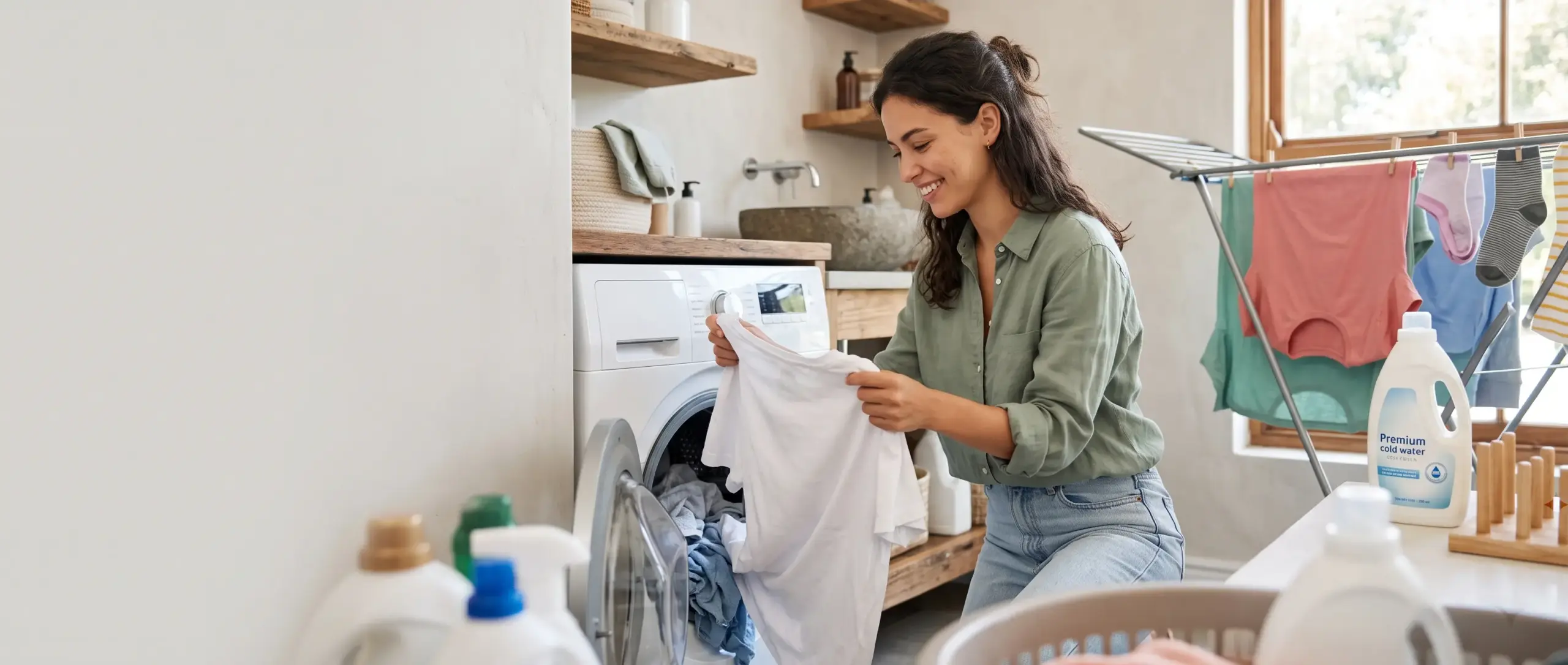 how to wash cotton clothes
There is nothing quite like pulling on a soft, crisp, favorite cotton t-shirt or a perfectly tailored pair of cotton trousers. Cotton has remained the king of everyday fabrics for centuries, beloved for its breathability, natural comfort, and versatile style. Choosing suitable materials for your climate is also important, and understanding the best fabrics for Bangladesh weather can improve everyday clothing comfort. However, almost everyone has experienced that heart-wrenching laundry moment: pulling a cherished cotton garment out of the dryer only to discover it now looks small enough to fit a doll.
Shrinking is the single most common frustration people face when caring for natural fibers. Because cotton is an organic, highly absorbent plant fiber, it reacts strongly to heat, water, and mechanical friction. The good news is that shrinking is not an inevitable fate for your wardrobe. With a clear understanding of fabric maintenance and a few minor tweaks to your laundry routine, you can preserve the original fit, color, and texture of your garments for years.
In this practical guide, we will break down the science behind why cotton shrinks, explore step-by-step methods for washing and drying your clothes safely, and even share a simple technique to rescue items that have already suffered an unfortunate shrinking incident.
Why Cotton Shrinks: The Science Behind the Fiber
To prevent shrinking, it helps to understand what causes it in the first place. Cotton fibers are spun from the soft, fluffy seed pods of the cotton plant. The science and properties of cotton fibers explain why cotton behaves differently from synthetic materials during washing. Understanding how to identify quality clothing before buying can also help you choose cotton garments that maintain their shape and durability longer. These individual fibers are naturally coiled and crimped like microscopic springs.
During the industrial manufacturing process—when raw cotton is spun into thread and woven or knitted into fabric—those natural fibers are stretched out under high tension. The fabric is then cut and stitched into garments while the fibers remain in this held, elongated state.
When you wash a cotton garment, three specific factors cause those stretched fibers to relax back into their natural, shorter shape:
- Heat: High water temperatures and hot dryer air relax the stress applied to the fibers during manufacturing, allowing them to recoil.
- Moisture: Water acts as a lubricant, penetrating the cellulose structure of cotton and swelling the fibers, which encourages them to shorten.
- Agitation: The mechanical churning of a washing machine or the tumbling motion of a clothes dryer forces the fibers to interlock and pull closer together.
When heat, moisture, and agitation combine, significant shrinkage occurs.
Does All Cotton Shrink the Same Way?
Not all cotton garments behave identically in the wash. How an item is manufactured plays a major role in its vulnerability to shrinking:
- 100% Raw or Unwashed Cotton: Garments made from untreated, pure cotton can shrink anywhere from 4% to 10% on their first wash if exposed to warm water or high heat.
- Preshrunk Cotton: Many modern clothing manufacturers subject their fabrics to a process called sanforization before cutting the pattern. This textile finishing process is designed to reduce fabric shrinkage and improve dimensional stability, as explained in cotton industry research resources. Sanforization pre-stretches and dampens the fabric, causing controlled shrinkage during production so the final piece retains its size when you wash it at home. However, preshrunk garments can still shrink slightly if exposed to extreme heat.
- Cotton Blends: Clothes made from cotton blended with synthetic fibers (such as polyester, nylon, or elastane) resist shrinkage much better than 100% pure cotton. Understanding cotton and polyester fabric differences helps you select suitable materials for your lifestyle. The synthetic fibers act as an anchor, holding the structure of the garment stable even in warm water.
Step-by-Step Guide: How to Wash Cotton Clothes Without Shrinking
Protecting your favorite garments begins before you even turn on the washing machine. Following a structured approach to washing cotton will keep your clothes clean, soft, and true to size.
Step 1: Read the Care Labels
While general guidelines work for most cotton items, always check the care label inside the garment first. Learning how to read clothing labels and fabric care symbols helps you understand the correct washing and drying instructions for different cotton garments. Manufacturers provide specific instructions based on the weave, dyes, and potential trim used on the garment. Look for temperature warnings, wash cycle recommendations, and drying icon symbols.
Step 2: Separate Clothes by Color and Fabric Weight
Group your laundry intentionally rather than tossing everything into a single load.
- Separate by color: Wash lights, darks, and whites in different loads to prevent dye bleed.
- Separate by weight: Avoid washing heavy cotton items like denim jeans, thick towels, or heavyweight hoodies in the same load as thin t-shirts or delicate cotton blouses. The weight of heavy wet fabrics tumbling against lighter pieces creates excessive friction and tension, which damages fibers over time.
Step 3: Turn Garments Inside Out
Before placing your cotton clothing into the washer drum, flip every piece inside out. This simple habit protects the outer surface of the fabric from friction against other clothes and the machine walls. It reduces surface pilling, protects printed designs or embroidery, and helps preserve rich colors—especially on dark t-shirts and indigo denim.
Step 4: Pre-Treat Stains Gently
Treating spots and stains before washing ensures you do not need to resort to hot water or harsh cycles to get your clothes clean. Apply a small amount of mild liquid detergent or an enzyme-based stain remover directly to spots like food spills, collar grime, or underarm marks. Gently work the solution into the fabric using your fingers or a soft-bristled brush, then let it sit for 10 to 15 minutes before washing. Avoid scrubbing cotton vigorously with stiff brushes, as this can break the surface fibers and create permanent fuzzing.
Step 5: Choose Cold Water
If there is one absolute golden rule for washing cotton, it is this: always use cold water.
Cold water (around 60°F to 80°F or 15°C to 27°C) cleans everyday dirt effectively when paired with a good modern detergent, without triggering the thermal relaxation that causes fibers to shrink. Hot water should be reserved exclusively for white cotton bath towels, bed sheets, or heavily soiled work clothes where sanitation takes priority over preserving precise sizing.
Step 6: Select the Gentle or Delicate Cycle
Unless your clothes are caked in mud or heavy grease, opt for the delicate, gentle, or permanent press cycle on your washing machine. These settings feature a slower agitation speed during the wash phase and a lower spin speed during the extract phase. Less mechanical stress means fewer stretched or twisted fibers, keeping your shirts, dresses, and trousers in their original shape.
Step 7: Use the Right Amount of Detergent
Overusing laundry detergent creates excess suds that trap dirt and soapy residue within the tight weave of cotton garments. Following proper laundry care practices helps improve cleaning results while protecting fabrics. Over time, this buildup makes cotton feel stiff, scratchy, and dull. Use the precise amount recommended on your detergent packaging, or slightly less for smaller loads.
Liquid detergents are generally preferred over powders for washing cotton in cold water, as powders may fail to dissolve completely, leaving chalky white streaks on dark clothing.
Drying Cotton Safely: Minimizing Heat Exposure
While washing in warm water contributes to shrinkage, the clothes dryer is where the most severe damage usually happens. The combination of intense ambient heat and continuous tumbling motion strips moisture out of cotton fibers too quickly, causing them to lock together tightly.
To keep your cotton clothing looking brand new, adopt safe drying habits.
Method 1: Air Drying (The Safest Option)
Air drying is the absolute best way to eliminate heat-induced shrinkage while extending the lifespan of your wardrobe.
- Line Drying Outdoors: Hanging clothes outside on a clothesline is ideal, but keep dark and brightly colored cotton garments out of direct, intense sunlight. UV rays act as a natural bleach and will quickly fade rich colors.
- Drying Racks Indoors: Set up a foldable drying rack in a well-ventilated room. Place woven cotton items (like button-down shirts or light pants) on padded hangers to air dry.
- Drying Heavy Knits Flat: Heavy cotton items—such as knitted sweaters, cardigans, or heavy sweatshirts—absorb a tremendous amount of water. If you hang them vertically while soaked, the weight of the water will stretch the shoulders and lengthen the body permanently. Lay these items flat on a dry towel or mesh drying screen, reshaping them gently with your hands while damp.
Method 2: Machine Drying with Minimal Heat
If air drying is not practical due to time, space, or weather, you can still use a tumble dryer safely by following these steps:
- Use the “Air Fluff” or “No Heat” Setting: This cycle uses room-temperature air tossed through the drum to dry clothes purely through airflow without thermal stress.
- Select Low Heat or Delicate: If you must use heat, choose the lowest possible temperature setting on your dryer.
- Remove Clothes While Slightly Damp: Do not allow the dryer to run until garments are bone dry. Pull your cotton clothes out when they are roughly 80% to 90% dry. Give each item a firm shake to snap out surface wrinkles, smooth the seams with your hands, and hang or lay them flat to finish drying naturally. This prevents the “over-drying” phase where fibers suffer the worst heat damage.
The Ultimate Water Temperature Guide for Cotton Care
To make quick decisions on laundry day, use this breakdown of how different water temperatures affect cotton fabrics:
- Cold Water (60°F – 80°F / 15°C – 27°C): Best for dark cottons, bright colors, delicate knits, graphics, and any garments prone to shrinking. It prevents color fading, conserves energy, and completely eliminates heat-based shrinkage.
- Warm Water (90°F – 110°F / 32°C – 43°C): Suitable for moderately soiled light-colored cottons, durable khaki trousers, and cotton-polyester blends. Warm water offers slightly stronger grease removal but carries a moderate risk of minor shrinkage on pure cotton.
- Hot Water (120°F+ / 49°C+): Best reserved for 100% cotton white underwear, white bath towels, bed linens, and heavily soiled cloth diapers. Hot water sanitizes effectively and removes oil, but it will cause noticeable shrinkage on unwashed or non-preshrunk cotton garments and cause dark dyes to bleed rapidly.
How to Rescue a Shrunken Cotton Garment
If an accident happens and a favorite cotton shirt ends up in a hot dryer load by mistake, do not panic or throw it away immediately. You can often relax the contracted fibers and stretch the fabric back to its original dimensions using a gentle conditioning soak.
The Baby Shampoo Fiber Relaxation Technique
This simple method uses gentle conditioning agents to lubricate and unlock the tightly coiled cotton fibers so you can carefully stretch them back into shape.
What You Will Need:
- A clean basin, sink, or bucket
- Lukewarm water (never hot)
- 2 tablespoons of baby shampoo or mild hair conditioner
- Two large, clean bath towels
Step-by-Step Instructions:
- Prepare the Soak: Fill your basin with lukewarm water and stir in two tablespoons of baby shampoo or hair conditioner until fully dissolved.
- Submerge the Garment: Place the shrunken cotton clothing into the water and press it down gently so it is completely saturated.
- Let it Rest: Allow the item to soak undisturbed for 20 to 30 minutes. The conditioner softens the rigid cotton fibers, making them pliable again.
- Squeeze Out Excess Water: Gently roll the garment into a loose ball and squeeze out excess water. Do not wring, twist, or rinse the garment. You want the slippery conditioning agent to remain in the fibers while you reshape it.
- Remove Moisture with a Towel: Lay a clean dry bath towel flat on a table or counter. Place the damp cotton garment on top of the towel. Roll the towel up with the shirt inside like a jelly roll. Press down firmly along the roll to transfer water from the garment into the towel. Unroll the towel and remove the shirt.
- Gently Stretch and Reshape: Lay the shirt flat on a second dry towel. Gently pull the fabric outward in all directions—stretching the sleeves, lengthening the torso, and widening the chest. Work slowly and evenly across the entire garment to avoid distorting the seams.
- Air Dry in Position: Pin the edges down with heavy objects (like clean books or heavy drinking glasses) along the hem and cuffs if necessary to hold the stretched shape. Allow the garment to air dry completely in this position.
While this process may not fix extreme shrinkage (such as an adult jacket shrunken down to toddler proportions), it frequently restores 1 to 2 lost sizes, returning your garment to a comfortable fit.
Best Practices for Ironing and Storing Cotton Clothes
Washing and drying correctly are critical, but how you press and store your cotton clothing also impacts fabric longevity and shape retention.
Ironing Cotton Safely
Cotton handles iron heat relatively well compared to synthetic fabrics, but dry, high heat can scorch natural fibers or leave shiny press marks on dark garments.
- Damp Ironing: Iron cotton clothes while they are still slightly damp from the wash, or use your iron’s steam setting generously. The combination of steam and heat flattens wrinkles effortlessly without requiring high soleplate temperatures.
- Iron Inside Out: Press dark-colored cotton trousers, printed tees, and embroidered items inside out to avoid shining surface spots or melting printed designs.
- Use Proper Heat Settings: Set your iron dial to the “Cotton” or “Medium-High” setting. Avoid holding the iron stationary over a single spot for more than a few seconds.
Proper Storage Techniques
The way you store your cotton items helps maintain their shape between wears:
- Fold Heavy Knits: T-shirts, heavy cotton sweaters, and knit polo shirts should always be folded neatly and stored in drawers or on shelves. Hanging stretchy cotton items for long periods pulls down on the shoulder seams, causing saggy necklines and misshapen body lengths.
- Hang Woven Garments: Button-down shirts, tailored cotton blazers, and lightweight woven trousers should be hung on sturdy, broad-shouldered wooden or padded hangers to maintain their crisp structure.
- Store in Cool, Dry Spaces: Ensure your closets and drawers are cool, dry, and protected from direct sunlight. Natural cotton fibers attract moisture; keeping them in damp spaces can encourage mildew growth, while heat and sunlight degrade fabric strength over time.
Smart Habits for Long-Lasting Cotton Garments
Building a reliable routine for cotton clothing care comes down to developing a few easy, consistent habits:
- Wash Less Frequently: Unless an item is visibly dirty or sweaty, cotton trousers, denim jeans, and heavy outer layers do not need to be washed after every single wear. Airing them out on a hanger overnight often freshens them up for another wear, reducing overall laundry stress on the fabric.
- Use Mesh Laundry Bags: Place lightweight cotton tops, delicate blouses, or items with delicate lace trim inside zippered mesh laundry bags before tossing them into the machine. This prevents them from twisting around heavier items during spin cycles.
- Avoid Chlorine Bleach: While liquid chlorine bleach brightens dull white cotton, it eats away at natural cellulose fibers over time, leading to yellowing, thin patches, and premature tearing. Switch to oxygen-based bleaches or natural baking soda and lemon juice brighteners for white loads.
By adjusting your water temperature to cold, keeping your clothes out of high-heat dryers, and treating natural fibers with a gentle touch, you can put an end to clothing shrinkage. Proper fabric maintenance ensures your favorite cotton pieces maintain their perfect fit, soft feel, and vibrant color for many seasons to come. Extending clothing lifespan also supports more sustainable clothing consumption practices.
Frequently Asked Questions
Why does cotton shrink in the wash, and what water temperature is best?
Cotton fibers shrink when exposed to high heat and aggressive agitation, which causes the stretched threads to return to their natural, shorter state. Learning how to wash cotton clothes properly starts with selecting cold water for both the wash and rinse cycles. Cold water prevents the fibers from tightening while still effectively removing dirt and sweat when paired with a good detergent. Using warm or hot water is the primary culprit behind unwanted shrinkage, especially for 100% cotton garments. For optimal cotton care, always adjust your machine settings to cold water before pressing start. This simple habit keeps your favorite t-shirts and jeans fitting perfectly for years.
What machine cycle should I use to prevent cotton clothes from shrinking?
Selecting the right cycle is crucial when learning how to wash cotton clothes safely. Opt for a gentle or delicate cycle on your washing machine to minimize excess mechanical agitation. High-speed spinning pulls and stresses natural fibers, which can lead to premature wear and subtle shrinking over time. If your machine features a dedicated cotton setting, ensure it is set to low agitation and cold water. Proper fabric maintenance involves treating your garments with care, so avoid overloading the drum, which causes extra friction during washing. By following these essential laundry tips, you will protect the structural integrity of your wardrobe while keeping everything fresh and clean.
Is it safe to put cotton clothes in the dryer without shrinking them?
Heat from the dryer is actually the leading cause of fabric shrinkage, so air drying is the safest way to prevent shrinking your cotton garments. If you must use a tumble dryer, select the lowest heat setting or an air-only cycle to protect the fibers. Remove the items while they are still slightly damp and lay them flat or hang them up to finish drying naturally. This method preserves the original fit and prevents heat damage. Incorporating air drying into your cotton clothing care routine significantly extends the life of your garments. Taking a few extra minutes to dry your laundry naturally keeps your wardrobe soft, comfortable, and beautifully shaped.
How should I prepare cotton garments before tossing them into the washing machine?
Proper preparation makes a huge difference in long-term fabric maintenance. Always sort your garments by color and weight, separating heavy items like canvas jackets from lightweight cotton tees. Button up shirts, zip up zippers, and turn all cotton garments inside out before washing cotton items to protect the outer surface from friction and pilling. Check the care labels for specific manufacturer instructions, as some pre-shrunk cottons can handle slightly different conditions. Additionally, pre-treat stains with a mild enzyme cleaner rather than scrubbing aggressively. Taking these pre-wash steps ensures your clothes wash evenly without stretching, fading, or shrinking unexpectedly.
What type of detergent works best for washing cotton clothes?
When considering how to wash cotton clothes effectively, choose a gentle, liquid detergent designed for natural fabrics. Liquid detergents dissolve seamlessly in cold water, whereas powdered detergents might leave a residue if the water temperature is too low. Avoid using harsh bleaching agents or aggressive stain removers unless absolutely necessary, as these can weaken cotton fibers over time. Additionally, skip liquid fabric softeners, which can leave a coating that reduces cotton breathability. Instead, add a cup of distilled white vinegar during the rinse cycle to naturally soften fabrics and eliminate lingering odors. This eco-friendly cotton care practice leaves clothes fresh and clean.
Is hand washing better than machine washing for delicate cotton items?
Hand washing is undeniably the gentlest method to prevent shrinking sensitive or loosely woven cotton garments. To hand wash effectively, fill a clean basin with cold water and add a small amount of mild liquid detergent. Submerge your items, gently swish them around for a few minutes, and let them soak briefly. Avoid wringing or twisting the wet fabric forcefully, as this distorts the shape and damages fibers. Instead, gently press the water out against the side of the basin or roll the item in a clean towel. Following these soft hand-washing laundry tips will ensure your delicate cotton pieces remain in pristine condition.
How can I unshrink a cotton garment if it accidentally shrank in the laundry?
If a favorite shirt shrinks by mistake, you can often restore its original size with a simple conditioning soak. Fill a sink with lukewarm water and stir in two tablespoons of baby shampoo or hair conditioner. Submerge the shrunken item and let it soak for about thirty minutes to relax the tight cotton fibers. Gently squeeze out excess water without wringing, then lay the garment flat on a dry bath towel. Carefully stretch the fabric back to its original dimensions while damp, pinning the edges down if necessary. This easy cotton clothing care technique offers a reliable solution for accidental laundry mishaps.

Related Posts

Stains From Clothes Safely We have all experienced that stomach-dropping

how to read clothing labels We have all been there:

how to identify quality clothing Have you ever bought a

best fabrics for Bangladesh weather Living in Bangladesh means experiencing
 WhatsApp
 Messenger
 Phone
Phone